Daily Summary2026-07-03
Stories clustered across sources, with day-to-day continuity and threading.

CBN revokes 46–47 microfinance bank licences in Nigeria's biggest MFB reset
Nigeria's Central Bank has cancelled 46 microfinance bank licences, formally citing five regulatory grounds for the mass revocation. Sycamore has confirmed that an MFB it acquired is among those affected, stating the action clouds its planned entry into deposit banking. The sweep represents the most significant regulatory reset of Nigeria's digital lending and microfinance sector on record.

Kenya government receives Sh200bn as Vodacom completes 55% Safaricom stake acquisition
The Kenyan government is set to receive Sh200 billion in proceeds from the sale of a Safaricom stake to Vodacom, finalising the financial leg of the transaction. Vodacom now holds 55 percent majority control of East Africa's most prominent telco and fintech platform. The capital event marks a landmark shift in Safaricom's ownership and strategic governance.
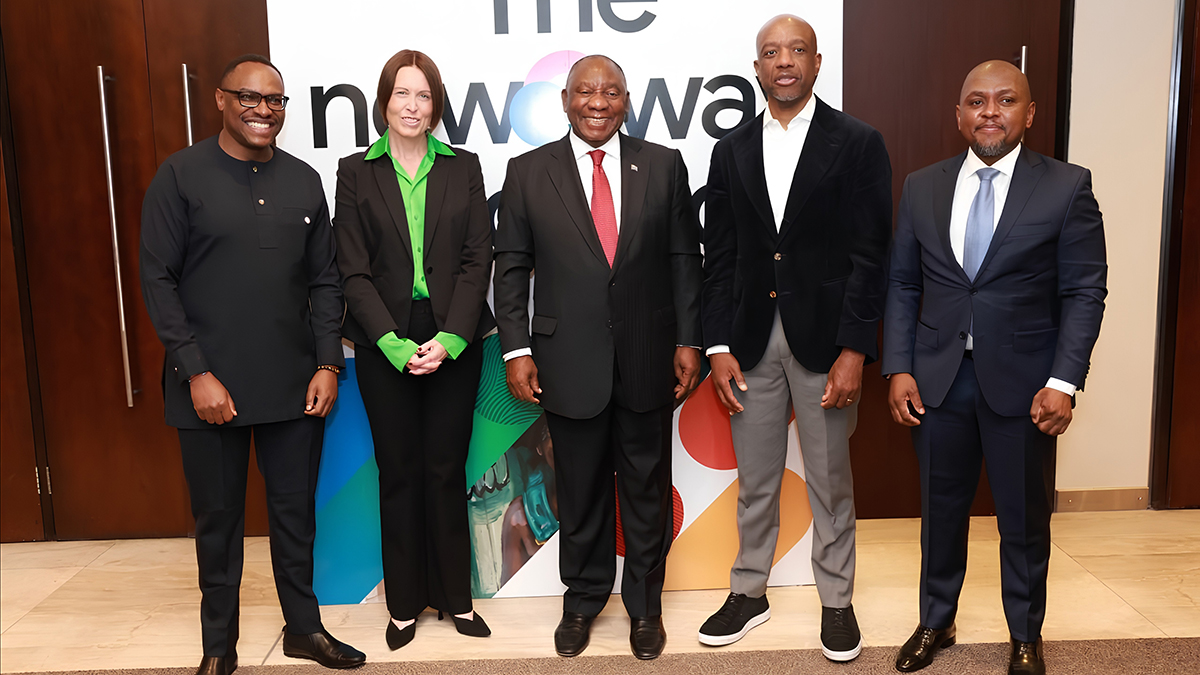
Google picks Eastern Cape for Africa's first Digital Exchange connectivity hub
Google has selected South Africa's Eastern Cape province as the site of the continent's first Google Digital Exchange Port, a subsea connectivity hub with implications for how internet traffic is routed across Africa. The Eastern Cape is one of South Africa's most economically disadvantaged provinces, making the infrastructure siting decision notable beyond its technical significance. Google has simultaneously projected a $90.6 billion economic contribution to South Africa's economy by 2030.

Catalyst Fund closes $30M second close for African climate-tech startups
Catalyst Fund has completed a $30 million second close backed by the IFC and Shell Foundation to support early-stage African climate startups across agriculture, clean energy, and resilience sectors. The close signals sustained institutional appetite for African climate-adaptation ventures at the pre-seed and seed stage. Village Capital and Holocene have separately deployed climate-focused capital in recent days, pointing to a clustering of climate-tech funding activity.
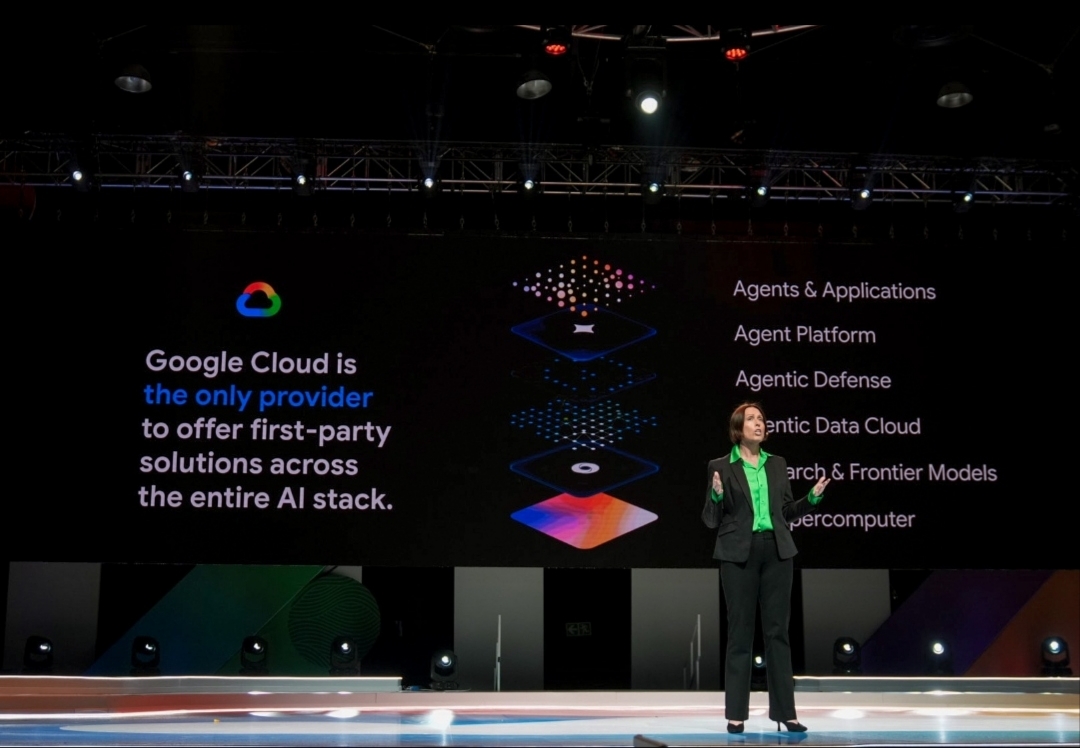
Google Cloud Africa Summit launches five AI initiatives including Applied AI Lab with Novastar
Google Cloud's inaugural Africa Summit has unveiled five AI initiatives for the continent, anchored by a jointly operated Applied AI Lab with Novastar Ventures that will provide hands-on AI infrastructure and mentorship to African startups. The summit also included a Google Play indie games fund of approximately $1 million distributed across 32 African countries. The announcements extend Google's continental AI commitment beyond infrastructure into applied startup development and creative economy funding.

Nigeria enacts NIMC Act 2026, elevating identity agency to digital trust authority
Nigeria has enacted legislation formally designating the National Identity Management Commission as the country's digital trust authority, embedding public key infrastructure responsibilities into its mandate. The law reshapes Nigeria's digital public infrastructure stack with direct implications for fintech KYC compliance, payments, and e-government service delivery. The move follows the broader NIMC Act 2026 passed on 1 July and adds regulatory depth to Nigeria's national identity architecture.

LemFi acquires Wealth8 with FCA approval, pivoting from remittances into wealth management
LemFi has received FCA approval to acquire Wealth8, marking a strategic pivot for the YC-backed African diaspora remittance platform into regulated investing and wealth management services. The deal is LemFi's third acquisition within a year, signalling an accelerating inorganic growth strategy. The move positions LemFi to serve African diaspora users across both remittance and investment verticals on a single regulated platform.

African governments resist US aid-for-data deals, asserting data sovereignty
African governments are pushing back against US proposals that tie development aid to data-sharing agreements, establishing a resistance posture with implications for health, research, and technology data governance across the continent. The stance signals a growing continental assertiveness on data sovereignty as a negotiating principle in international aid relationships.
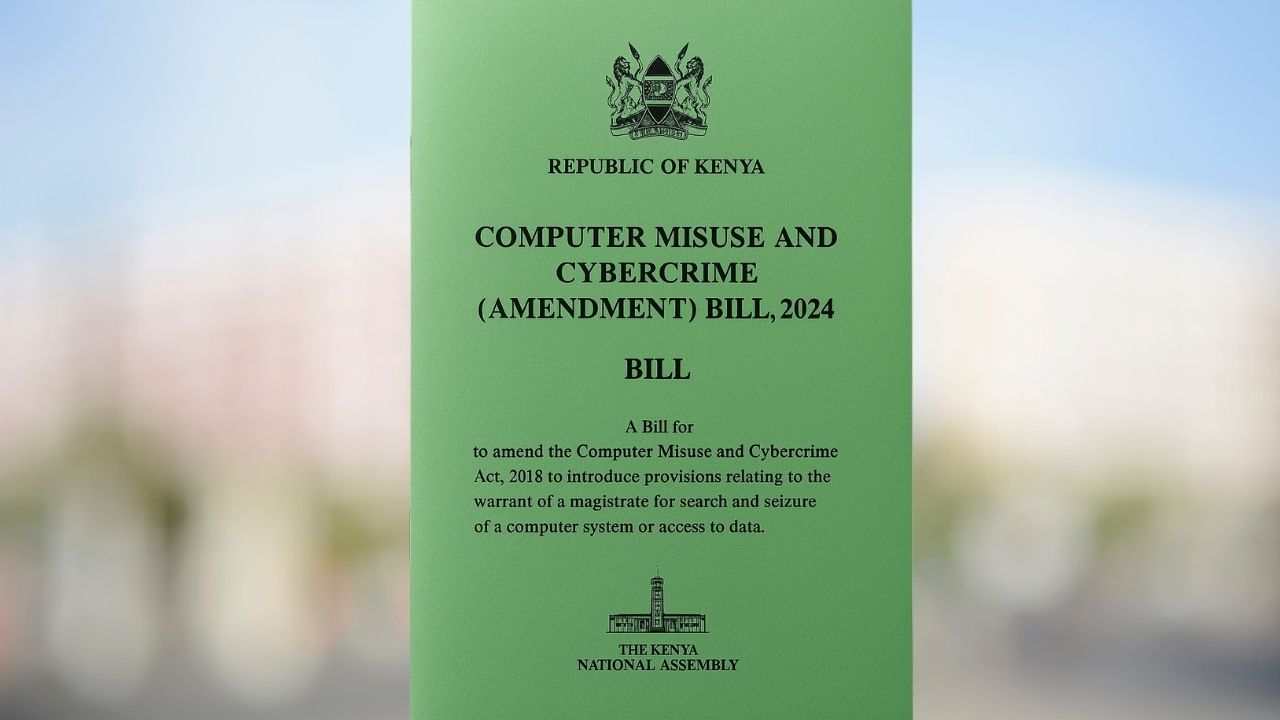
Kenyan High Court bars government from shutting down websites without a court order
Kenya's High Court has ruled that the government cannot shut down websites without first obtaining a court order, issuing a landmark digital rights protection for platform operators and users. A separate High Court ruling has also struck down provisions of the Cybercrimes Act, further reshaping Kenya's online speech and platform governance landscape. The dual rulings represent a significant judicial check on state power over Kenya's digital infrastructure.
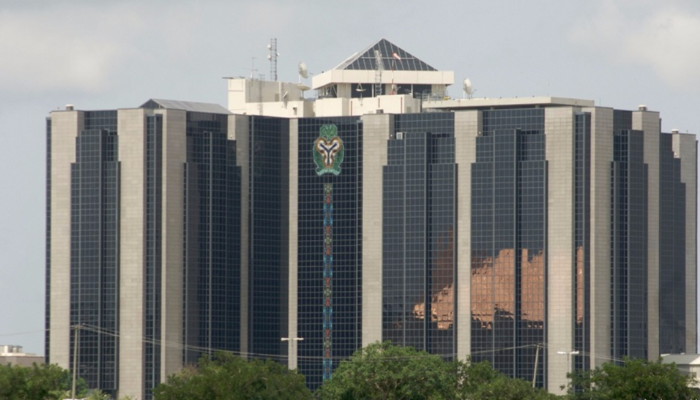
CBN plans N5.8 trillion T-bill auction, its largest liquidity mop-up of 2026
Nigeria's Central Bank of Nigeria has announced plans for a N5.8 trillion treasury bills auction, the largest single liquidity mop-up operation of 2026. The scale of the exercise tightens system liquidity and raises the effective cost of capital for Nigerian startups and digital finance operators. A separate CBN N16.9 trillion broader liquidity tightening exercise is running concurrently, compounding pressure on bank lending capacity.
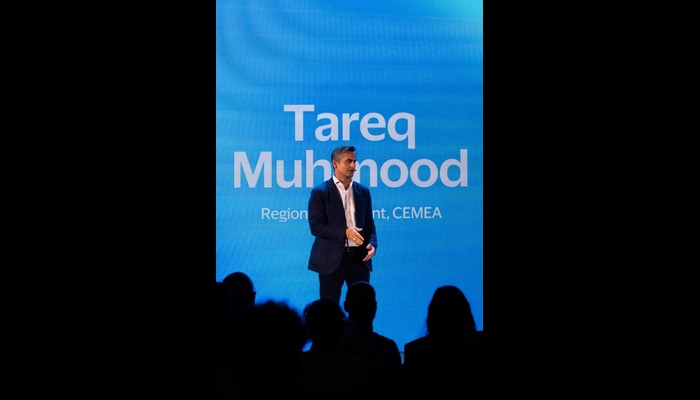
African stablecoin market attracts VC across three distinct business models
A new analysis has identified three distinct business models within Africa's stablecoin sector that are currently attracting venture capital from offshore investors. The mapping adds structural detail to the growing body of evidence that stablecoin infrastructure is becoming a serious investment category in African fintech. Visa has separately outlined stablecoin settlement capabilities for CEMEA-region African fintechs, reporting 60 times growth in stablecoin settlement volumes.
Rwanda sets bold EV licensing template with open-battery mandate and performance clauses
Rwanda has introduced a zero-cost electric vehicle licensing regime that mandates open-battery architecture and includes strict six-month performance clauses for EV operators. The regulatory model is being assessed as a potential template for other African markets seeking to accelerate EV adoption while retaining competitive standards. Afreximbank has simultaneously signalled support for Africa's battery value chain through its investment in Spiro, the continent's largest EV raise.

Nigeria commissions Africa's largest lithium processing plant in Nasarawa
President Tinubu has commissioned a 6,000 metric-ton-per-day lithium processing plant in Nasarawa State, the largest such facility on the African continent. The commissioning marks a material step toward developing Nigeria's critical minerals value chain, with direct relevance to battery manufacturing and clean energy supply chains across Africa.
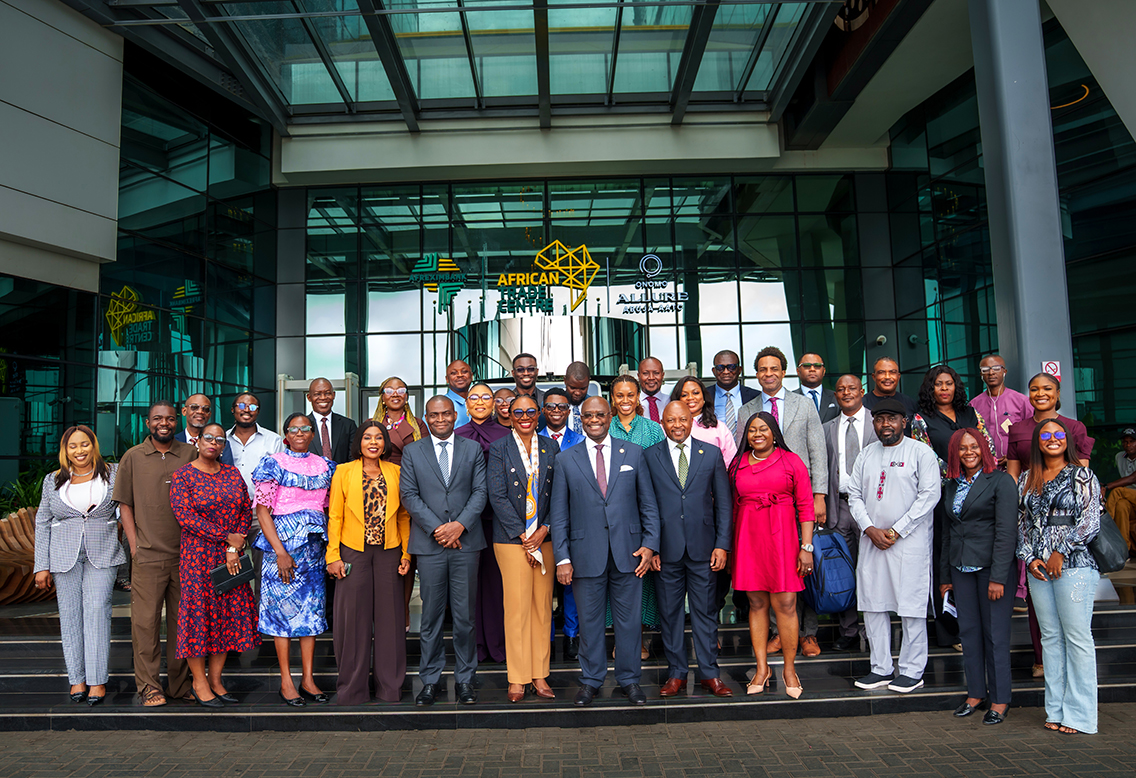
Afreximbank defends Fitch exit and outlines new priorities in batteries, payments, and health
Afreximbank has defended its decision to exit its Fitch credit rating relationship, arguing the agency failed to account for Africa's structural funding shift, and is pursuing a BBB+ rating through alternative channels. The development finance institution has simultaneously broadened its strategic priorities to include battery value chains, pan-African payments infrastructure, and health research. The combination signals a significant repositioning of one of Africa's largest multilateral financiers.
Kenya court rules restructuring alone cannot legally justify employee layoffs
A Kenyan court has ruled that organisational restructuring on its own does not constitute sufficient legal grounds for employee dismissal, creating a material compliance risk for startups and tech companies managing workforce changes in the country. The judgment follows earlier reporting on tech-sector layoff patterns and adds a judicial constraint to Kenya's startup employment environment.

Nigeria flagged as unprepared for AI-driven election interference ahead of 2027 cycle
A new report has warned that Nigeria is insufficiently prepared for artificial intelligence-enabled disinformation and election interference as the country approaches its 2027 electoral cycle. The finding flags a continent-wide governance risk as several African nations enter electoral periods amid rapidly advancing AI-generated content capabilities.
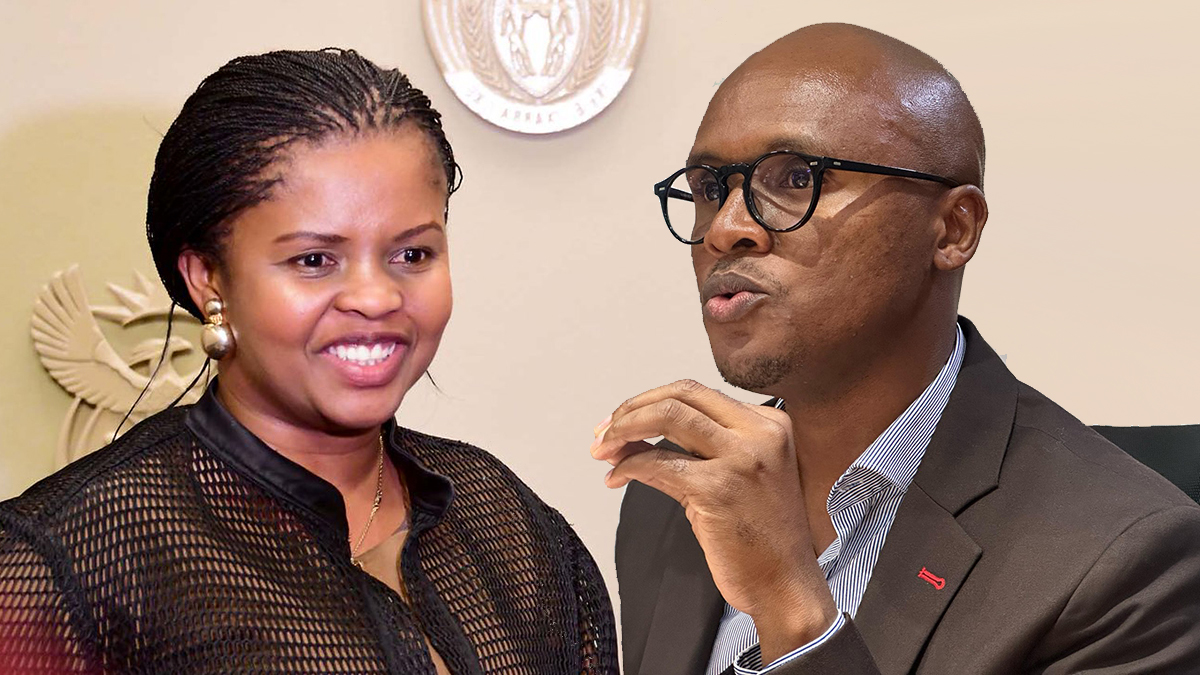
South Africa's Starlink lobbying allegations trigger parliamentary review of spectrum integrity
Allegations of improper lobbying by Starlink in South Africa, implicating former ambassador Tony Leon, have drawn formal parliamentary scrutiny of how the satellite internet provider obtained regulatory access. The controversy puts spectrum policy and foreign-technology licensing integrity under active review in South Africa. The developments follow ICASA's recent publication of Starlink licensing conditions.
Nigeria's SEC admits first new crypto sandbox cohort in two years including Luno and Trovotech
Nigeria's Securities and Exchange Commission has admitted a new cohort of seven companies, including Luno, Trovotech, and a Wrapped CBDC project, into its regulatory sandbox for digital assets. The intake is the first new crypto sandbox cohort the SEC has approved in two years, signalling a re-engagement with digital asset regulation in Africa's largest economy.
South Africa's ad valorem smartphone tax removal drives 15% sales jump
The removal of the ad valorem tax on entry-level smartphones in South Africa has produced a 15 percent increase in device sales, providing concrete evidence that tax policy can function as a meaningful lever for digital device access. The result is being assessed as a validation of Communications Minister Solly Malatsi's consumer-access policy approach.
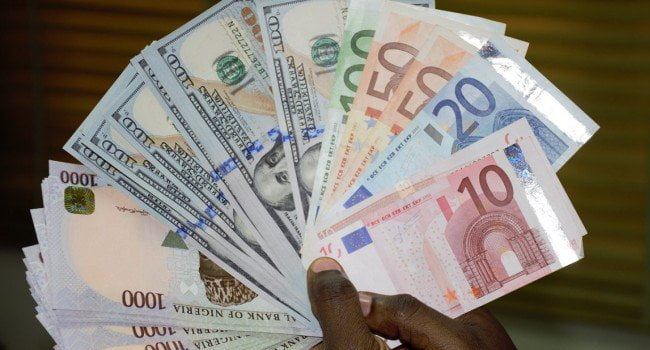
Nigeria FX daily turnover approaches $1 billion, strengthening naira stabilisation case
Nigeria's foreign exchange market turnover has reached a near-$1 billion daily average, providing the strongest liquidity data point yet in support of naira stabilisation arguments. The figure strengthens the case for continued exchange-rate reform progress in Africa's largest economy.

Launch Africa Ventures executes secondary sale of Peach Payments stake to 27four
Launch Africa Ventures has sold its exposure in South African payments company Peach Payments to 27four in a secondary transaction, marking one of the more visible secondary-market exits in African venture capital. The deal provides a benchmark data point for secondary liquidity mechanisms in a continent where exit routes have historically been limited.

ICASA mandates two-warning protocol before SIM deactivation and introduces 90-day number recycling
South Africa's ICASA has introduced new rules requiring mobile operators to issue two formal warnings before deactivating dormant prepaid SIM cards, and has set a 90-day inactivity threshold after which numbers can be recycled. The dual rules affect millions of prepaid users and carry downstream implications for fintechs and platforms that rely on mobile number-linked digital identity.
Pick n Pay deploys Gemini-powered multilingual AI shopping agent in South Africa
Pick n Pay has launched Penny, a Google Gemini-powered AI shopping companion embedded in its Asap! app that responds to any language and accepts voice and photo commands. The deployment represents one of the most concrete large-scale retail AI integrations in Africa to date, combining multilingual capability with South Africa's informal language diversity.

Nvidia chip smuggling seizure highlights AI supply-chain pressure relevant to African access
Singapore authorities have seized a $42 million mansion linked to a scheme to smuggle Nvidia AI chips, illustrating the illicit demand for AI compute hardware in constrained markets. The case is being noted in discussions about Africa's access to AI infrastructure amid ongoing export controls and supply-chain limitations.
Stocks & Strauss closes $24M fund to commercialise South African university deep-tech
South African company Stocks & Strauss has formally closed a $24 million fund targeting the commercialisation of university deep-tech spin-outs in satellites, biotech, and HR technology. The close builds on the fund's earlier milestone past $42 million in total platform assets reported on 27 June and provides a structured capital vehicle for South African academic intellectual property.
SARS proposes draft crypto tax rules, creating regulatory clarity in South Africa
The South African Revenue Service has published a draft guide outlining proposed tax treatment for cryptocurrency assets, moving toward formal regulatory clarity for the country's digital asset market. The draft rules are expected to reshape compliance obligations and market behaviour for South African crypto holders and exchanges.
Amazon Kuiper launch timeline set, positioning a credible Starlink rival for African connectivity
Amazon's Kuiper satellite internet constellation has been assigned a formal launch deadline, establishing a timeline for a credible competitor to Starlink in Africa's satellite broadband market. The development is relevant to African regulators and operators tracking the evolving satellite connectivity landscape.

Mali creates state body to regulate artisanal gold trade
Mali has established a government body tasked with regulating its artisanal gold sector, a move that could formalise export flows and attract legitimate mining investment in one of West Africa's most significant gold-producing countries. The regulatory intervention affects the operating environment for mining-tech and traceability ventures active in the Malian market.
South Africa upgrades Houwteq facility into satellite-building hub
South Africa is converting the 41-year-old Houwteq facility into a satellite manufacturing hub, advancing the country's ambition to develop sovereign space-technology production capacity. The upgrade signals a concrete infrastructure investment in South Africa's growing space-tech sector.
AfCFTA adopts Nigerian customs technology for continent-wide digital trade platform
The African Continental Free Trade Area secretariat has announced it will build a unified digital trade platform on technology developed by Nigeria's customs service. The decision positions Nigeria's customs tech stack as pan-African infrastructure and carries implications for cross-border trade digitisation across the continent.
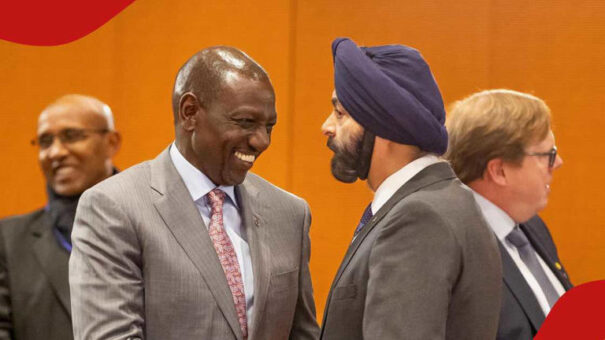
World Bank approves $750M Kenya public-sector reform loan
The World Bank has approved a $750 million loan to Kenya to support public-sector reform, signalling institutional confidence in the country's economic trajectory. The financing shapes the macro operating environment for Kenya's technology ecosystem and public digital service delivery.
South Africa's universities overhaul curricula as AI mainstreams into higher education
South African universities are undertaking curriculum overhauls in response to artificial intelligence's impact on learning, assessment, and professional preparation. The shift signals that AI adoption is now penetrating South Africa's higher education sector, a key talent pipeline for the country's technology industry.
Battery rental model expands from South Africa into Nigeria as energy costs rise
Battery rental services, initially concentrated in South Africa, are expanding into Nigeria as rising energy costs drive demand for distributed clean-energy access solutions. The cross-market spread signals that asset-light energy storage models are gaining commercial traction across two of Africa's largest economies.

Nigeria's NGX pushes back on FTSE Russell T+1 settlement ultimatum
Analysis has argued that Nigeria's Nigerian Exchange Group should resist FTSE Russell's pressure to adopt T+1 settlement standards, framing the dispute as a question of capital market sovereignty. The debate has broader implications for how African exchanges negotiate international index inclusion requirements.
DisCos post second-highest quarterly revenue despite Nigeria grid collapses
Nigerian electricity distribution companies recovered N597.6 billion in the latest quarter, their second-highest quarterly collection in five quarters, despite multiple grid collapses during the period. The result highlights a persistent structural contradiction in Nigeria's power sector between revenue progress and generation reliability.

Microsoft launches $2.5 billion Frontier Company for enterprise AI adoption
Microsoft has unveiled a $2.5 billion enterprise vehicle called Frontier Company designed to help businesses integrate artificial intelligence into their operations. The initiative is global in scope and not specifically directed at African markets, though it is relevant to multinational enterprises operating across the continent.
South Africa phases out green ID books, accelerating digital identity adoption
South Africa has announced the phase-out of green identity books, pushing citizens toward the smart ID card system and accelerating digital identity adoption across the country. The transition carries downstream implications for fintech onboarding, e-government services, and KYC processes that rely on identity document standards.
Budge AI targets bankless Africans with SMS-based expense tracking
Budge AI has launched an SMS-based personal finance tool designed to serve users without bank accounts in markets where open banking APIs are underdeveloped. The approach targets a significant underserved segment in African fintech by using basic mobile technology rather than smartphone app infrastructure.
Jubilee and FSD Africa launch digital insurance pilot in Kenya
Jubilee Insurance and FSD Africa have launched a digital insurance pilot in Kenya, testing new product and distribution models for the country's insurtech market. The initiative represents an incremental step in Kenya's ongoing digital insurance development rather than a structural shift.
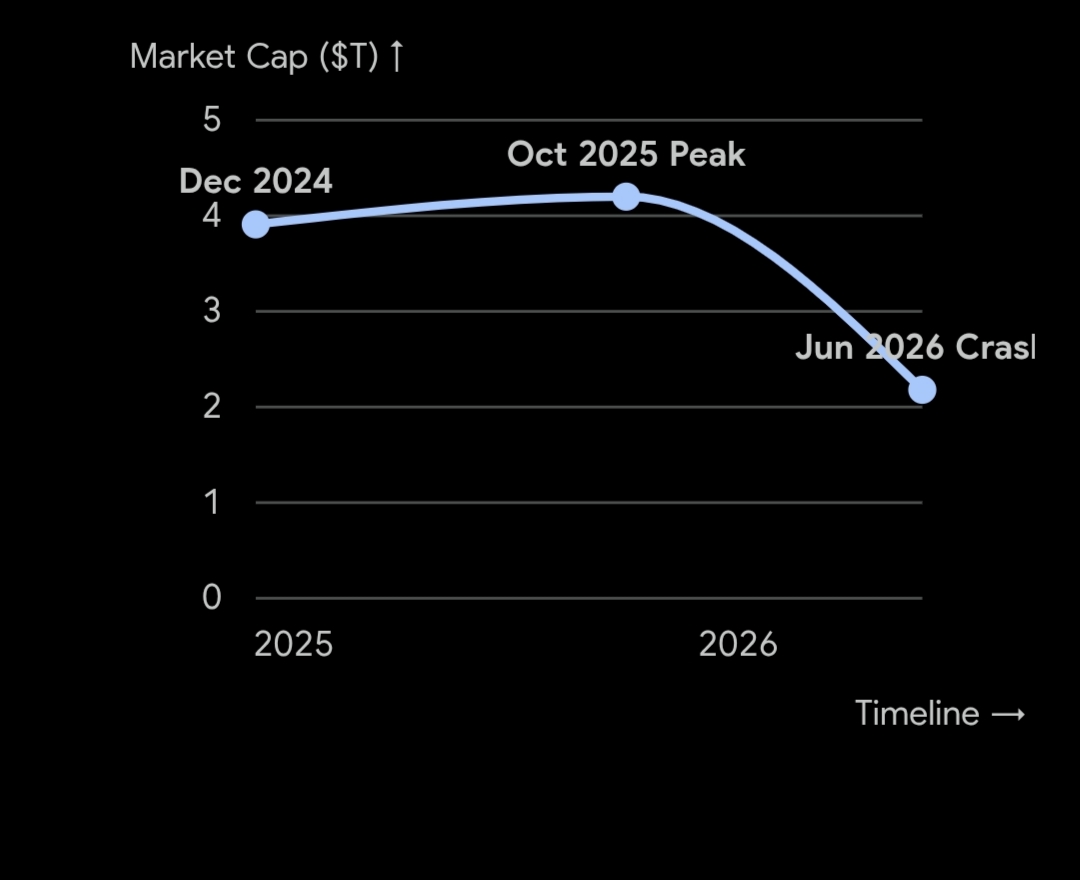
Crypto market posts worst H1 in four years with $2 trillion market cap loss
Global cryptocurrency markets recorded a $2 trillion market capitalisation loss in the first half of 2026, making it the worst opening half-year for the asset class in four years. The downturn is relevant to African exchanges and blockchain-based remittance and payment operators that have expanded their digital asset exposure.

DRC enacts local content law affecting mining-tech and foreign operators
The Democratic Republic of Congo has promulgated a local content law requiring greater domestic participation in the country's key sectors, with direct implications for foreign mining-tech and industrial operators in Africa's leading minerals hub. The law reshapes the compliance and partnership requirements for international companies operating in the DRC.

Ebola treatment trial begins in DRC amid $3.6B outbreak cost warning
A clinical trial for Ebola treatments has commenced in the Democratic Republic of Congo as the outbreak continues. The UN has estimated the outbreak could cost Africa up to $3.6 billion in economic impact, elevating the health crisis's significance for businesses and investors operating across affected regions.
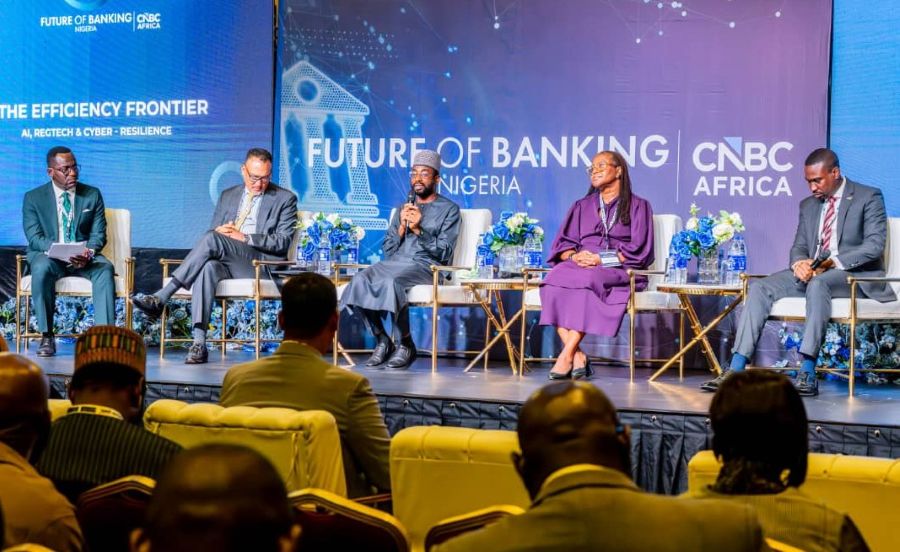
NITDA frames AI and cyber resilience as the next era of Nigerian banking
Nigeria's National Information Technology Development Agency and its director-general have publicly positioned AI and regulatory technology as the defining forces for the next phase of the country's banking sector. The statements signal official intent but have not been accompanied by specific regulatory instruments or mandated timelines.

Ghana faces carbon credit integrity challenge as green investment risk grows
Ghanaian parliamentary figures have publicly warned against the country becoming a destination for fraudulent carbon credit projects, calling for rigorous standards to protect the integrity of Ghana's nascent green investment pipeline. The interventions add political weight to concerns about greenwashing in African carbon markets, which have been growing as Ghana approaches issuance of its first forest carbon credits.

EU court confirms €4.1 billion Android antitrust fine against Google
A European Union court has confirmed a €4.1 billion antitrust fine against Google for using Android to restrict competition on mobile devices. The ruling reinforces regulatory pressure on mobile platform gatekeeping with potential implications for how African regulators approach platform competition policy.
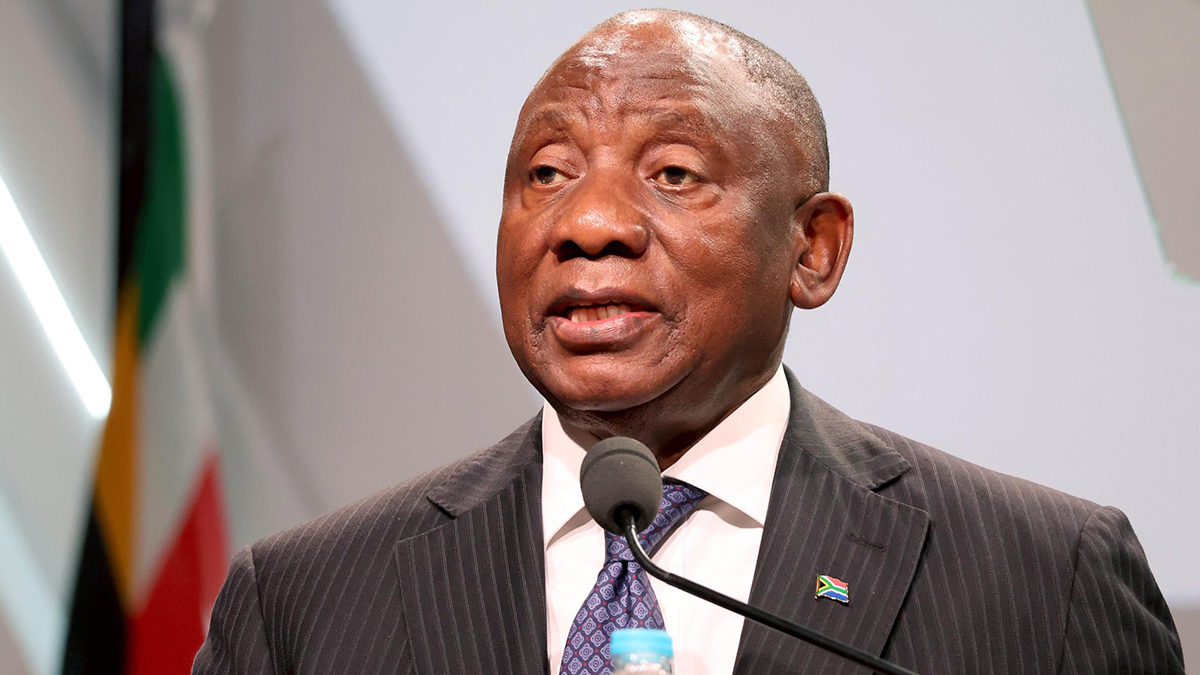
SA universities, government target AI-driven healthcare transformation
South Africa's government has outlined plans for AI-driven transformation of the country's healthcare system, though the initiative remains at the intent and planning stage without committed funding or implementation timelines. The framing adds to a growing set of AI policy signals from South African public institutions.

China delivers first full-cycle cassava mechanisation equipment to Nigeria
China has delivered the first complete cassava mechanisation equipment set to Nigeria, marking an early step in the industrialisation of Nigeria's cassava value chain. The delivery is positioned as a food security initiative with potential as a model for agricultural mechanisation in other African markets.
SA gas sector crisis threatens 70,000 jobs with knock-on energy and industry impact
A developing crisis in South Africa's gas sector is being projected to put up to 70,000 jobs at risk, flagging a systemic energy vulnerability with broader industrial implications. The scenario is relevant to investors and operators assessing South Africa's energy transition risk alongside its electricity grid challenges.

ISP blocking sought as South Africa's stalled gambling bill remains unresolved
South African stakeholders are seeking internet service provider blocking orders against unlicensed gambling operators as the country's gambling regulatory bill remains stalled in the legislative process. The situation illustrates regulatory gridlock with implications for online platform governance in South Africa.

Nigeria eyes domestic smartphone manufacturing as import dependency persists
Nigeria has expressed ambition to develop domestic smartphone manufacturing capacity rather than continuing to depend entirely on imports. The initiative is at an early policy stage with limited technical or investment detail disclosed.

Nigeria's MyAgent platform targets opaque rental market with verified listings
Nigerian startup MyAgent has launched a platform designed to build trust in the country's real estate rental market by verifying landlords and tenants. The product addresses a well-documented friction point in Nigeria's property market where opacity drives high transaction costs and disputes.

Egypt's BrainsMingle raises $400K seed for AI-driven professional networking
Egyptian startup BrainsMingle has closed a $400,000 seed round to develop an AI-driven professional networking platform. The raise marks early-stage activity in Egypt's growing pre-seed investment pipeline.
South Africa's rooftop solar adopters face R2,400 municipal fee in Gauteng
A Gauteng municipality has introduced a R2,400 annual fee for households with rooftop solar installations, creating a new point of regulatory friction that could slow residential solar adoption in South Africa. The fee is being challenged as counterproductive to the country's energy transition goals.
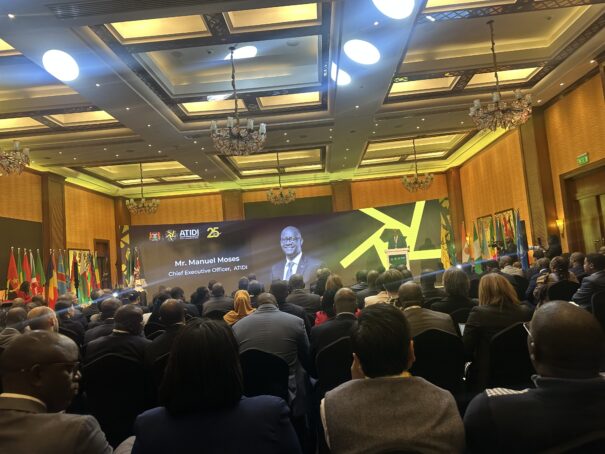
ATIDI marks 25 years with $93B in facilitated African trade and investment
The African Trade and Investment Development Insurance agency has marked its 25th anniversary by disclosing that it has facilitated $93 billion in African trade and investment over its operational lifetime. The milestone was announced at the institution's 2026 Annual General Meeting attended by development finance institutions and heads of state.
Cape Town leads South Africa mobile speed rankings
Cape Town has topped South Africa's mobile internet speed rankings according to the latest testing data, reinforcing the city's position as the country's leading connectivity environment. The granular data provides a useful signal for operators and investors assessing infrastructure quality at a city level.
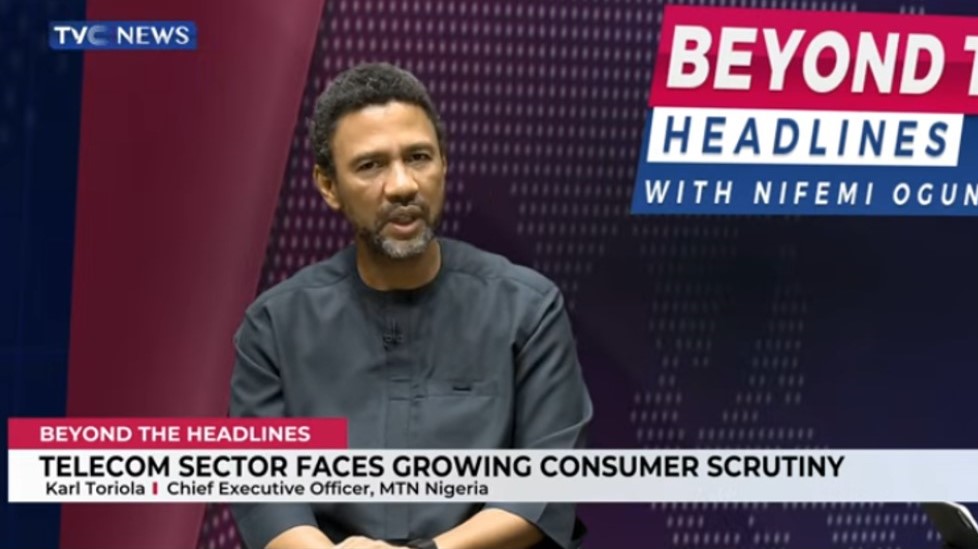
MTN Nigeria CEO distances company from xenophobic violence
MTN Nigeria chief executive Karl Toriola has publicly stated that MTN Nigeria is a Nigerian company, distancing the operator from anti-migrant sentiment targeting foreign businesses. The statement follows MTN Group Chairman Mcebisi Jonas's earlier condemnation of xenophobia as a governance failure in South Africa.

Stanbic Ghana deploys AI fraud monitoring in banking operations
Stanbic Bank Ghana has deployed an AI-powered transaction monitoring system to strengthen its fraud detection capabilities. The implementation represents an incremental but concrete signal of AI adoption within African banking risk management operations.

TECNO unveils EllaClaw cross-app AI assistant for African mass-market smartphones
TECNO has announced EllaClaw, an AI assistant with cross-app integration capabilities designed for its mass-market smartphone lineup sold predominantly in African markets. The product signals AI feature competition moving into the affordable smartphone segment that dominates African device penetration.
Sanara deploys KES 1.2 billion into Kenya's creative economy
Sanara has deployed KES 1.2 billion into Kenya's creative economy sector, representing a notable capital commitment to a segment that has historically attracted limited structured investment. The structural details and instrument type behind the deployment have not been fully disclosed.
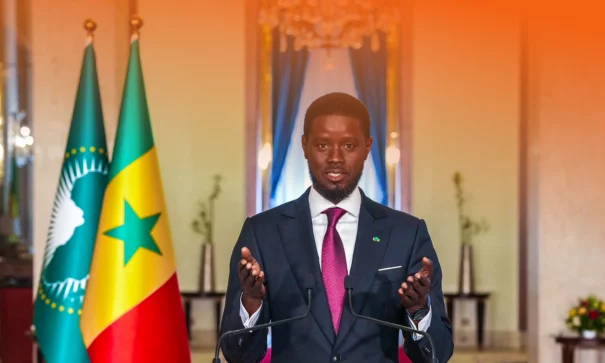
Senegal reshuffles DER/FJ and energy parastatals under Diomaye administration
Senegal's Diomaye administration has dismissed the directors-general of the DER/FJ startup fund, PETROSEN, and SOMISEN, continuing a broader restructuring of the country's state economic institutions. The leadership changes shift who controls startup funding access and oil sector governance in one of West Africa's emerging tech and energy markets.
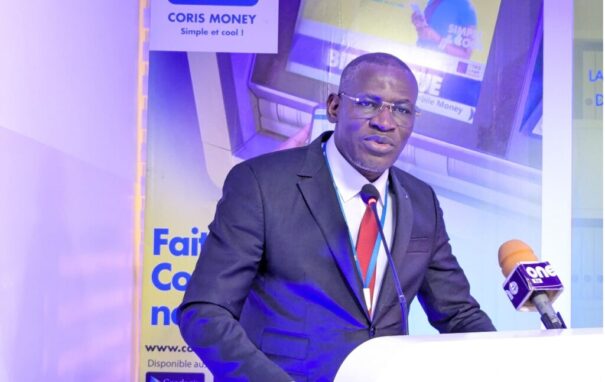
Coris Bank Togo crosses $1 billion balance sheet milestone
Coris Bank International's Togolese subsidiary has exceeded $1 billion in total assets, marking a growth milestone for one of West Africa's expanding regional banking groups. The figure signals continued balance sheet deepening in a francophone West African market.

CEMAC forex reserves decline under BEAC surveillance
The Bank of Central African States has flagged declining foreign exchange reserves across the CEMAC zone, raising macro pressure signals for fintech operators and cross-border payment providers active in Central Africa. The central bank has indicated it is monitoring the region's external position closely.

Ghana floods expose MSME vulnerability and recurring infrastructure deficits
Post-flood analysis in Ghana has quantified the recurring economic damage caused by Accra's flooding events, with academics estimating that the country is paying billions for preventable flood impacts. MSMEs have been identified as particularly exposed to the compound disruption of infrastructure failure, road access loss, and utility outages that accompany each flooding event.
500 Global and Sanabil back eight startups in latest accelerator cohort
500 Global and Sanabil have jointly backed eight startups in their latest accelerator cohort, spanning AI and fintech verticals. No African-specific participants or standout names have been confirmed in available reporting.
Meta acknowledges AI progress shortfalls despite $145 billion spend
Meta chief executive Mark Zuckerberg has acknowledged that the company's internal AI restructuring has not delivered the expected progress despite a $145 billion capital commitment. The admission is being assessed by African AI builders as a data point on the limits of scaled AI investment without aligned implementation strategy.

Egypt targets 59% private investment share by 2027
Egypt has set a target of directing 59 percent of national investment through the private sector by 2027, signalling an intent to reduce state dominance in the economy. The commitment provides a meaningful backdrop for investors and operators assessing Egypt's largest market dynamics in North Africa.

Tunisia mutual funds sector crosses $3.6 billion AUM in H1 2026
Tunisia's collective investment vehicles have surpassed $3.6 billion in assets under management in the first half of 2026, signalling a maturing domestic capital market. The figure is relevant to regional investors tracking North African financial sector depth.

Dangote Refinery cuts fuel prices again, easing Nigeria operating costs
The Dangote Refinery has reduced fuel prices again, contributing to a moderation in energy costs for businesses operating across Nigeria. The cut has broad macro relevance for operating cost management across Nigeria's technology and logistics sectors.
NSE appoints Tom Mulwa as CEO as Kittony steps down
The Nairobi Securities Exchange has appointed Tom Mulwa as its new chief executive following the departure of Kiprono Kittony. The leadership transition occurs at a period of active evolution in Kenya's capital markets, though no immediate policy or structural changes have been signalled alongside the appointment.

ECOWAS air transport oversight committee launched to reshape regional aviation
ECOWAS has formally launched an economic supervision committee for the regional air transport sector, a governance structure intended to coordinate aviation regulation across West Africa. The committee could influence regional connectivity costs and operating conditions for logistics and aviation-linked technology operators.

Nigeria's $5 billion total return swap raises sovereign risk questions for investors
A detailed risk analysis of Nigeria's $5 billion total return swap arrangement has identified significant sovereign exposure that is relevant to investors with Nigerian fixed-income or currency positions. The structure is being scrutinised for the contingent liabilities it places on public finances.
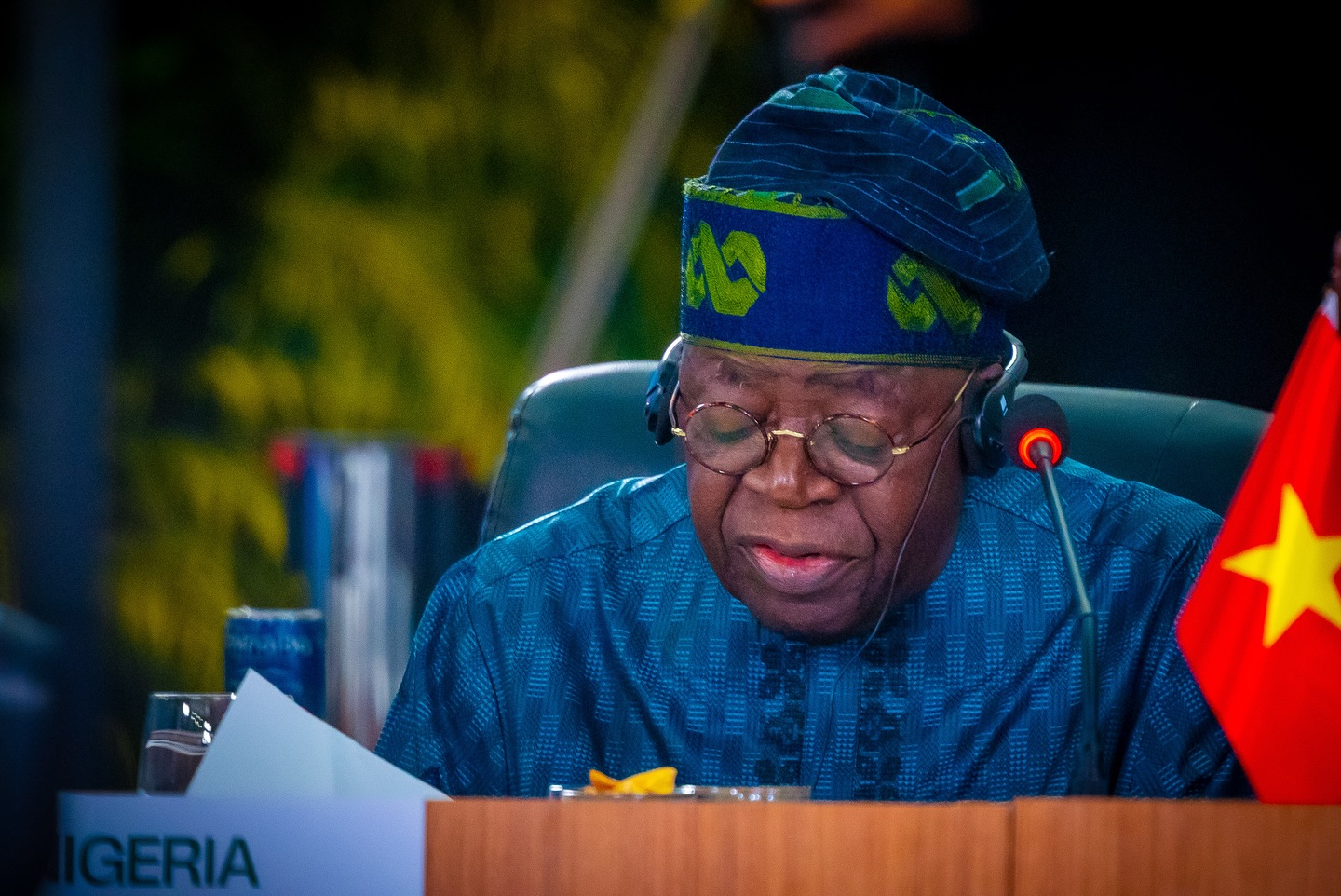
Nigeria FG to train 5,000 electricity meter installers to address metering gap
Nigeria's federal government has announced a programme to train 5,000 Nigerians, including National Youth Service Corps members, as electricity meter installers. The initiative targets Nigeria's persistent metering deficit, which has been a structural constraint on revenue recovery in the power sector.

Lithium mining's clean-energy paradox creates investment dilemma for African resource states
A new analytical piece has examined the environmental and governance tensions embedded in lithium mining as African resource states weigh its role in clean energy supply chains. The analysis is relevant to investors navigating the intersection of critical minerals extraction and sustainability commitments in African markets.

DNTF allocates R15.8M to 22 South African publishers for AI and data journalism
South Africa's Department of Communications has allocated R15.8 million to 22 independent publishers to support AI and data journalism initiatives. The grant marks a rare public-sector technology funding commitment to the media sector in South Africa.

Netstar applies AI to vehicle theft prevention in South Africa
South African telematics company Netstar has deployed artificial intelligence to enhance its vehicle theft detection and prevention systems. The application represents an incremental AI adoption signal within South Africa's fleet and vehicle security sector.

Nigeria customs generates N3.35 trillion revenue in first five months of 2026
Nigeria's Customs Service has reported N3.35 trillion in revenue for the first five months of 2026, indicating improved trade facilitation performance. The figure provides fiscal context for Nigeria's broader economic environment but represents routine reporting rather than a structural development.

South Africa court ruling advances AARTO traffic fine digitisation
A South African court has cleared the rollout of the AARTO administrative adjudication system, with the South African Post Office confirmed as the notices delivery channel. The ruling advances a long-delayed digitisation of South Africa's traffic enforcement and fine management process.