Daily Summary2026-09-25
Stories clustered across sources, with day-to-day continuity and threading.

Airtel Uganda and Starlink Launch Africa's Second Satellite-to-Mobile Service
Airtel Uganda has commercially launched a Starlink satellite-to-mobile service, making it Africa's second such deployment and extending connectivity to remote populations not served by terrestrial networks. The Airtel-Starlink partnership is being described as a replicable model for rural connectivity across the continent.

SunCulture Closes $10 Million Securitisation in Landmark African Climate Tech Capital Markets Deal
SunCulture has closed a $10 million securitisation deal, marking what is described as a landmark structure for African climate tech companies accessing capital markets at scale. The transaction signals a maturing approach to financing for the continent's clean energy sector beyond traditional venture or grant capital.

CBN Data Localisation Deadline Forces Nigerian Banks Into N200 Billion Cloud Migration
A Central Bank of Nigeria data localisation deadline is forcing Nigerian banks into a reported N200 billion cloud migration, testing the sector's infrastructure capacity, talent pipeline, and fibre connectivity. The compliance drive is described as a significant reshaping of Nigeria's broader technology infrastructure investment landscape.

Kenya Pursues Dual AI Strategy as UN Bloc Champion and Frontier-Lab Partner
Kenya is simultaneously championing an African AI bloc at the United Nations and signing its own bilateral frontier-lab deal, a dual approach that is being flagged as a strategic tension worth watching. The positioning raises questions about whether national and pan-continental AI interests can be pursued in parallel without conflict.
22 On Sloane Raises $63 Million Alongside New AI Startup Matchmaking Platform
South African venture firm 22 On Sloane is raising $63 million for African startups and simultaneously launching an AI-powered matchmaking platform designed to connect founders with capital and resources. The dual capital-plus-infrastructure move is being read as a concrete signal of evolving fund infrastructure for the continent's startup ecosystem.

Nigeria SEC's 80% Cold-Storage Rule Could Structurally Reshape Early-Stage Crypto Startups
Nigeria's Securities and Exchange Commission has introduced a rule requiring crypto firms to hold 80 percent of digital assets in cold storage, a requirement analysts say could structurally reshape or eliminate early-stage crypto startups operating in the country. The regulation adds to the compliance pressure already facing Nigeria's digital asset sector.

Yellow Card Hires Ex-Monzo CFO Ross Everett as First Group Chief Financial Officer
African crypto payments firm Yellow Card has appointed Ross Everett, a former Monzo executive, as its first Group Chief Financial Officer, a hire being read as a signal of institutional maturity. The appointment comes as Yellow Card expands into Canada and is reportedly eyeing Latin America and Asia-Pacific markets.
Chainalysis H1 2026 Data Shows Africa's Crypto Use Shifting to Utility and Peer-to-Peer
Chainalysis first-half 2026 data shows Africa recording its strongest crypto half-year on record, with usage increasingly driven by utility applications and peer-to-peer transactions rather than speculation. The data is described as reframing the continent's crypto narrative away from volatility-driven trading toward structural financial infrastructure.
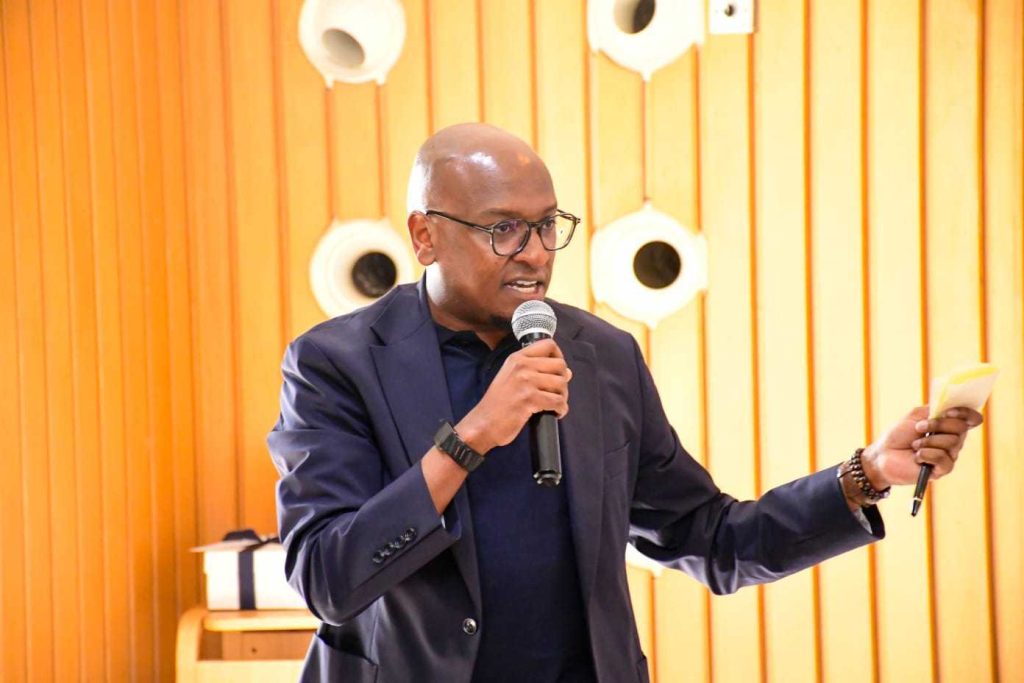
Kenswitch Launches Kenya's First Domestic Card Scheme, Cutting Foreign Rail Dependency
Kenswitch has entered Kenya's card market with the country's first domestic card scheme, reducing reliance on international payment rails such as Visa and Mastercard. The launch is described as a reshaping of Kenya's national payments infrastructure with implications for transaction cost and data sovereignty.
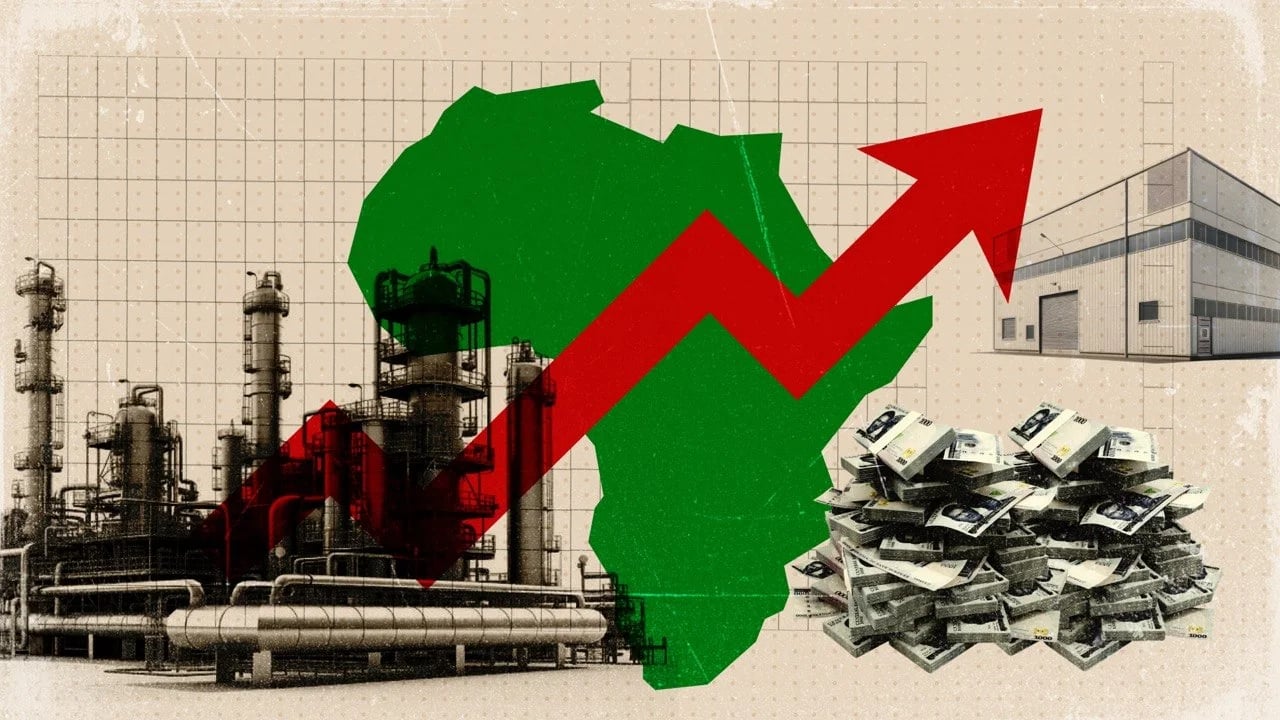
African Startups Increasingly Acting as Venture Capitalists for Peer Companies as Early-Stage VC Dries Up
A structural shift is emerging across Africa in which startups are investing in other startups as traditional early-stage venture capital becomes harder to access. Analysts describe the trend as a meaningful evolution in how the continent's informal capital networks are filling a gap left by receding institutional venture funds.
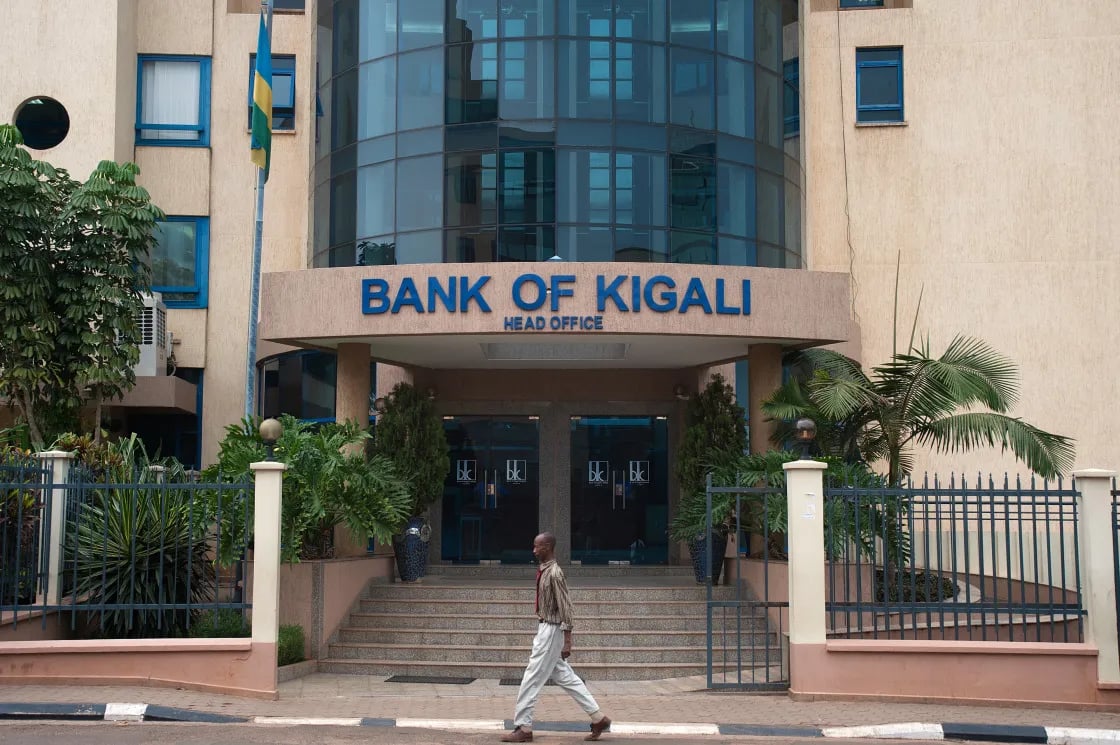
Bank of Kigali Joins China's CIPS Payment Network in East Africa First
Bank of Kigali has joined China's Cross-Border Interbank Payment System, becoming the first bank in East or Central Africa to connect to the yuan-denominated settlement network. The move is described as a meaningful shift for trade settlement between the region and China.

Rising Component Costs Threaten Africa's $30 Smartphone Target
Rising hardware component costs are making Africa's goal of delivering $30 smartphones increasingly difficult to achieve, directly threatening the continent's mobile internet expansion agenda. The affordability challenge is described as a structural barrier to bringing the next cohort of users online.

US-Backed Week of African Fibre, Cable and Data-Centre Deals Tops R4.54 Billion
A cluster of US-backed fibre, subsea cable, and data-centre transactions totalling more than R4.54 billion has been recorded in a single week, raising questions about who is financing Africa's digital infrastructure build-out and on what terms. The concentration of deals signals accelerating US-linked capital deployment into the continent's connectivity stack.

GSMA Says 5G and Fibre Can Connect 140 Million Nigerians Outside Internet Economy
The GSMA has quantified the opportunity of 5G and fibre deployment in Nigeria at 140 million people currently outside the internet economy, providing actionable market-sizing data for network operators and policymakers. The figure builds on an earlier GSMA blueprint that identified 5G, fibre, and digital identity as the primary levers for closing Nigeria's connectivity gap.
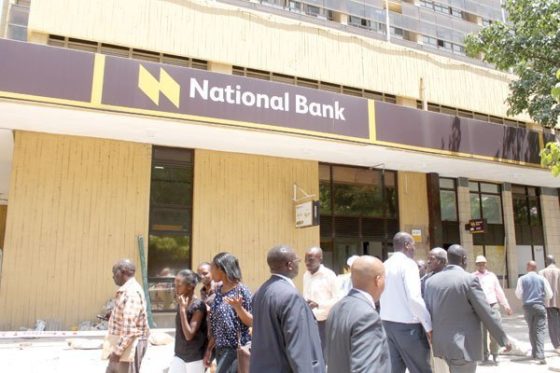
Kenya's Central Bank Approves Transfer of Access Bank Operations to National Bank of Kenya
Kenya's Central Bank has approved the transfer of Access Bank's Kenyan operations to National Bank of Kenya, resolving what analysts describe as a significant regulatory overhang in the country's banking sector. The approval concludes a closely watched regulatory process in East Africa's competitive banking market.

Meta Selects South Africa as Africa's Sole Launch Market for AI Smart Glasses
Meta has confirmed South Africa as its first and only African market for the launch of its camera-equipped AI smart glasses, a market-selection decision that analysts say signals how global consumer tech companies are segmenting the continent. The choice positions South Africa as the continent's gateway for a new category of AI-enabled wearable hardware.
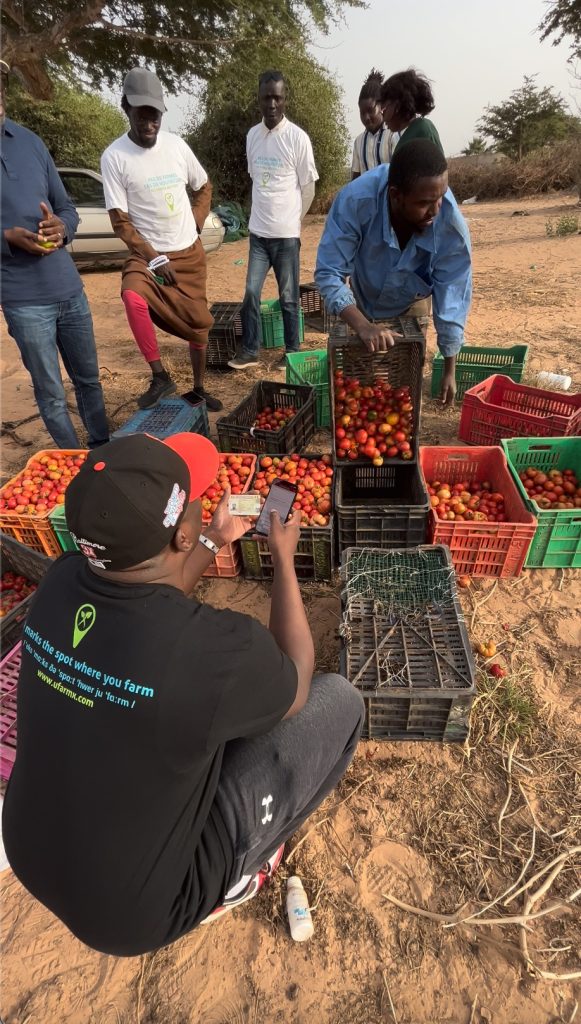
UfarmX Deploys $6.8 Million Proprietary Credit Scoring Engine for Nigerian Cassava Farmers
Nigerian agritech startup UfarmX has deployed a proprietary credit-scoring system that has reportedly unlocked $6.8 million in financing for smallholder cassava farmers, targeting a critical gap in agricultural lending. The model is being described as an early proof point for data-driven agricultural finance in Nigeria.
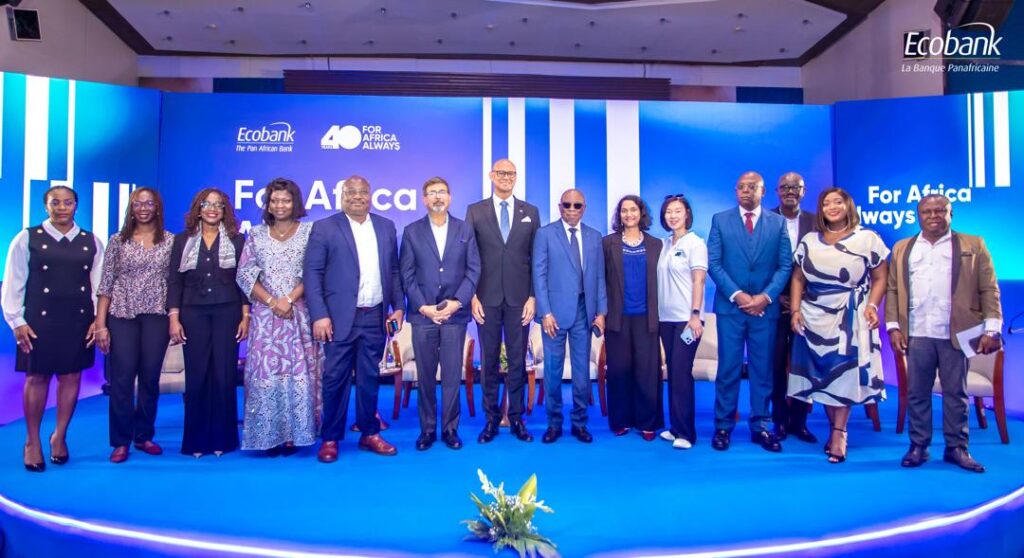
Ecobank Commits $2.6 Billion to Women-Led Businesses and Agribusinesses Across Africa
Ecobank Group has committed $2.6 billion to financing women-led businesses and agribusinesses across Africa by 2030, one of the larger pan-African capital deployment pledges from a private financial institution. The commitment spans the bank's presence across more than 30 African countries.

Nigeria Ties Late Tax Payment Interest to CBN Monetary Policy Rate From October 1
Nigeria's federal government will from October 1 link interest on late tax payments to the Central Bank of Nigeria's Monetary Policy Rate, changing the compliance cost calculation for every business operating in the country. The rule change follows the CBN's recent 350-basis-point rate cut, which has reduced the MPR to 23 percent.

NuRAN to Pilot Starlink LEO Backhaul in Nigeria for Rural Connectivity
NuRAN is set to pilot a Starlink low-earth-orbit satellite backhaul solution in Nigeria, testing a model for extending connectivity infrastructure to rural areas not served by terrestrial fibre or tower networks. The pilot is being described as a potential scalable template for rural connectivity in the country.
Liberia's Cybercrime Act Draws Free Speech Criticism and Civil Society Pushback
Ten Liberian civil society organisations have formed a digital rights coalition to contest the country's Cybercrime Act, which critics argue risks suppressing free expression online. The Justice Ministry is simultaneously facing calls from legal and civil society voices to clarify how the law will be enforced, with the dispute drawing comparisons to similar legislation across West Africa.

Uber's Nigeria Exit Exposes Unit-Economics Limits and Opens Door for Local Platforms
Analysis of Uber's departure from Nigeria identifies structural unit-economics failures as the primary cause, while framing the exit as an opening for locally built ride-hailing infrastructure. The case is being used to argue that global mobility platforms face distinct viability constraints in African markets.

Tunisia's $60 Million State VC Fund Targets Interior Provinces Beyond Capital-City Tech Hubs
Tunisia has launched a state-backed venture capital fund of approximately $60 million explicitly targeting startup ecosystems in interior provinces, challenging the capital-city concentration common to most African tech hubs. The model is being flagged as potentially replicable for other markets seeking to distribute innovation investment beyond major cities.

Africa Early-Stage Investor Summit Returns to Cape Town in November 2026
The Africa Early-Stage Investor Summit is returning to Cape Town in November 2026, maintaining its status as a key convening point for early-stage investors active across the continent. The event provides a visible gathering for a segment of the African funding ecosystem that has been under pressure as deal volumes decline.
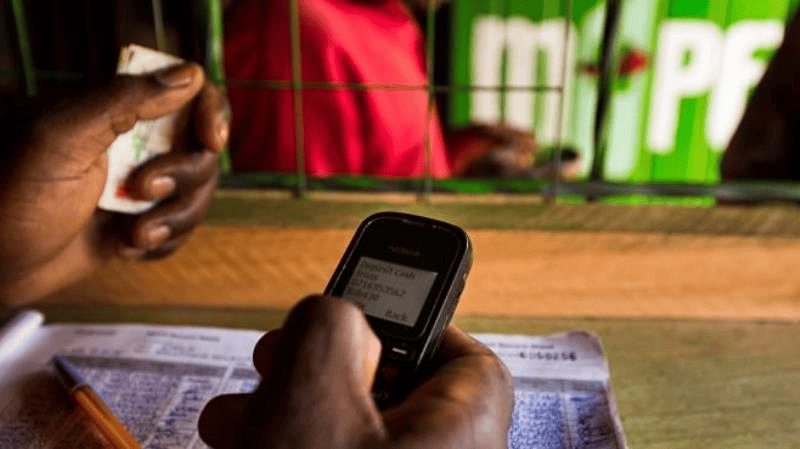
Bachs Co-Founder Details Infrastructure Gaps Blocking African Startups' Global Payment Ambitions
Bachs co-founder Bolu Dada has outlined the cross-border payment infrastructure gaps that African startups encounter when expanding globally, identifying banking correspondent relationships and compliance rails as critical bottlenecks. The account provides a practitioner-level diagnosis of the structural friction facing African fintechs with international ambitions.

NIMC Denies NIN Database Breach While Launching New Identity Verification Platform
Nigeria's National Identity Management Commission has denied claims of a breach affecting its NIN database and simultaneously launched a new identity verification platform. The dual development is raising questions about the integrity and security of Nigeria's core digital identity infrastructure, which underpins financial services and government systems.
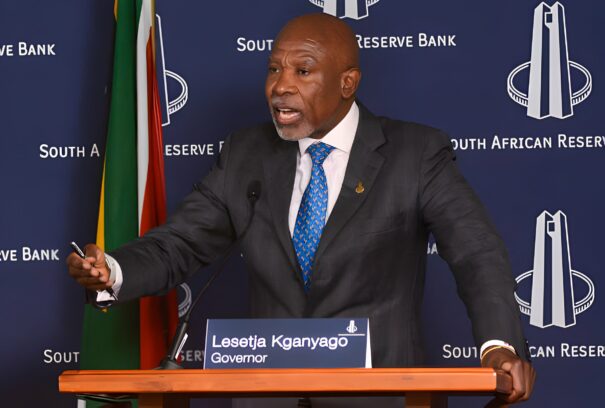
South African Reserve Bank Raises Benchmark Rate to 7.25 Percent
The South African Reserve Bank has raised its benchmark interest rate to 7.25 percent, a decision that directly increases the cost of capital for startups and affects fintech company valuations in Africa's largest economy. The hike moves in the opposite direction to the CBN's recent rate cut in Nigeria, creating a diverging monetary policy environment across the continent's two largest markets.
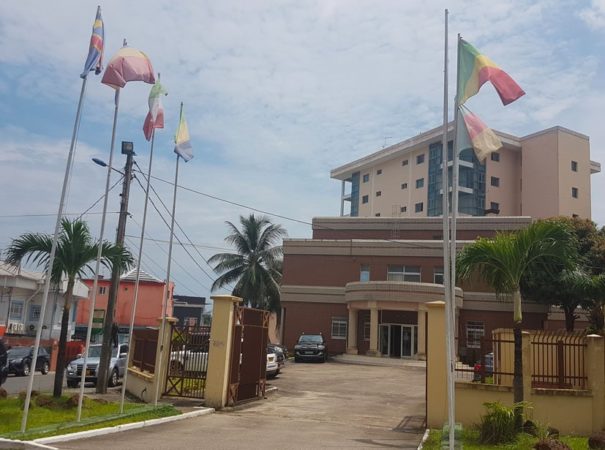
COSUMAF Expels Two Brokers From CEMAC's Regional Financial Market
Central Africa's capital markets regulator COSUMAF has expelled Premium Capital Securities and Axiome Capital from the CEMAC regional financial market, a rare concrete enforcement action for the bloc. The exclusions signal a strengthening of regulatory oversight in a market where formal enforcement actions have historically been limited.

Simandou 2040 Rail Programme Advances Rail by Rail and Partnership by Partnership
Guinea's Simandou 2040 mining and rail infrastructure programme is advancing with incremental construction and partnership activity, reinforcing its status as Africa's largest active mining-infrastructure project. The programme carries continent-wide supply-chain implications given the scale of iron ore reserves it is designed to unlock.
Uganda Banks Log 6,533 Cyber and Fraud Incidents With Shs24 Billion in Losses Over Eight Months
Uganda's banking sector recorded 6,533 cybercrime and fraud incidents resulting in losses of Shs24 billion over eight months, providing hard data on the scale of digital financial crime in the country. The figures are being cited as evidence of a growing systemic risk to East Africa's financial infrastructure.

Dar Ventures Partners With Plug and Play to Expand African Startup Access to Global Capital
Dar Ventures has partnered with global accelerator network Plug and Play to broaden its programme for African startups, providing participating companies with access to Plug and Play's international investor and corporate partner network. The tie-up extends the reach of an African-focused fund into global capital and market access channels.

Multi-Country Panel Surfaces Data Integration as Central Barrier to African Government AI Adoption
A multi-country panel examining African government AI adoption has identified data integration and fragmented legacy systems as the central barriers blocking public-sector AI deployment at scale. The discussion reflects growing institutional momentum around AI adoption in African governments while highlighting the gap between ambition and operational reality.
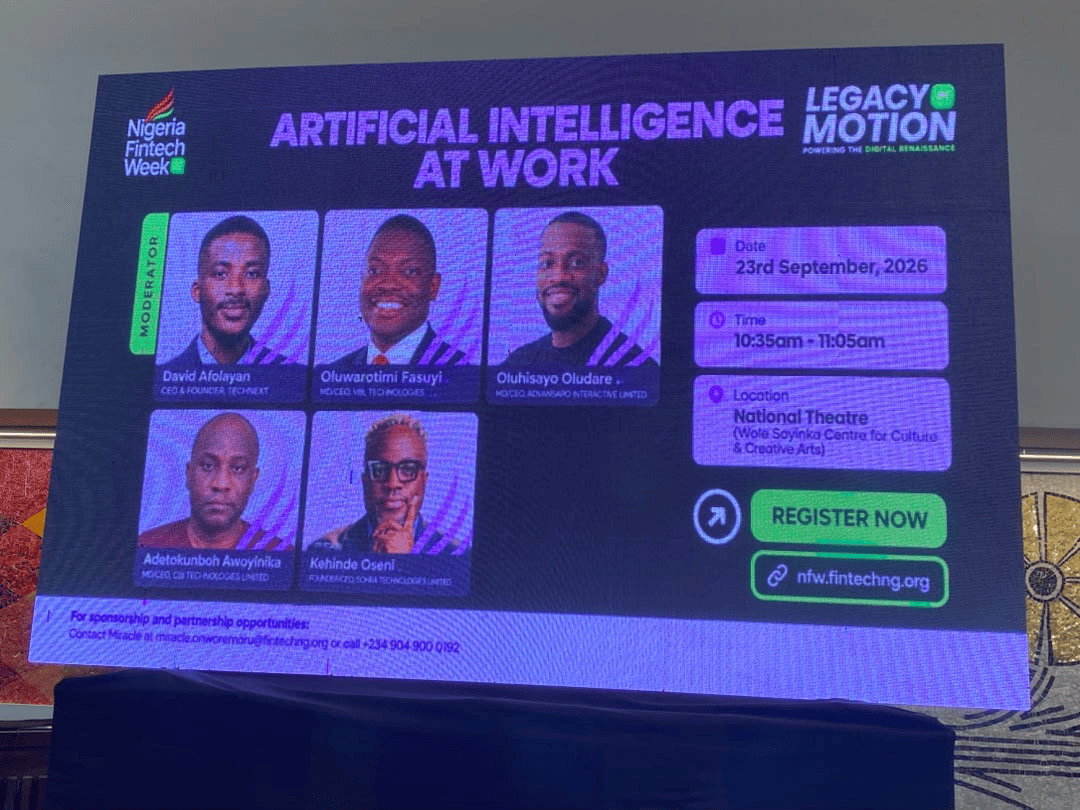
Nigerian Fintechs Prioritise Fraud and Bad Data Over Existential AI Risk
Nigerian fintech practitioners are focusing AI risk discussions on fraud detection failures and data quality rather than longer-term existential AI concerns, offering a contrarian and locally grounded perspective on AI governance priorities. The stance reflects the immediate operational challenges facing the country's financial technology sector.

NIFC Africa and Swiss Firm Pilot Capital Markets Link Between Nairobi and Global Investors
The Nairobi International Financial Centre Authority and a Swiss financial firm are piloting a mechanism to link Kenya's capital markets to global investors, described as early-stage but directionally significant for deepening Nairobi's international financial connectivity. Specific terms and timelines for the pilot have not been confirmed.
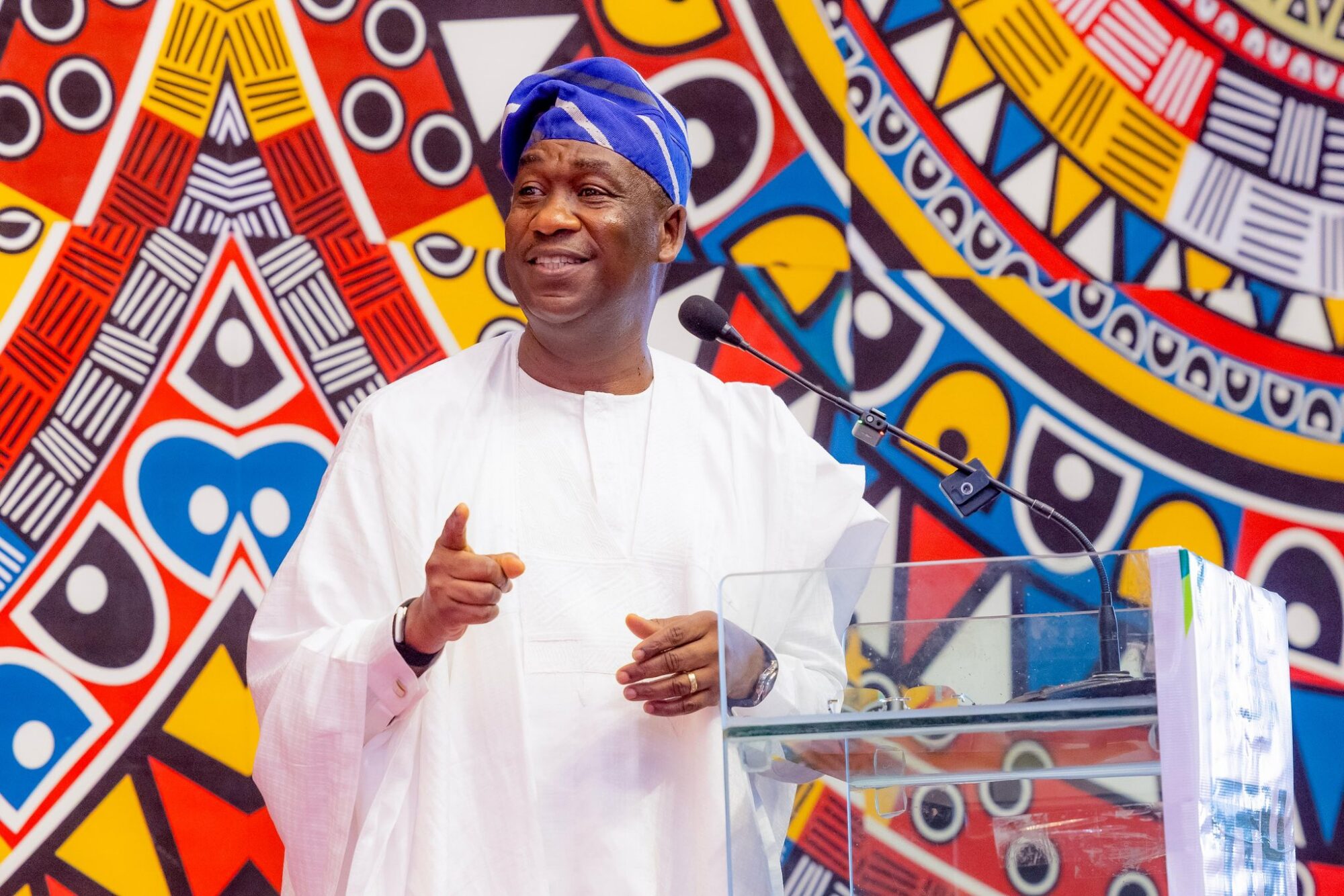
Lagos Deputy Governor Calls on Fintechs to Expand Beyond Payments Into Credit and Insurance
Lagos State's deputy governor has publicly called on Nigerian fintech companies to move beyond payments infrastructure and build into credit and insurance, signalling policy-level pressure for sectoral diversification. The statement reflects a broader official view that the Nigerian fintech sector's value is concentrated too narrowly in transaction processing.

Nigeria's Streaming Payouts Signal Music Rights Maturing Into Investable Territory
Reported Spotify payouts of N60 billion to Nigerian music rights holders are being cited as evidence that Nigeria's music intellectual property economy is reaching a scale that could attract dedicated investment. The figures signal a maturing creative economy layer within Nigeria's broader digital economy.
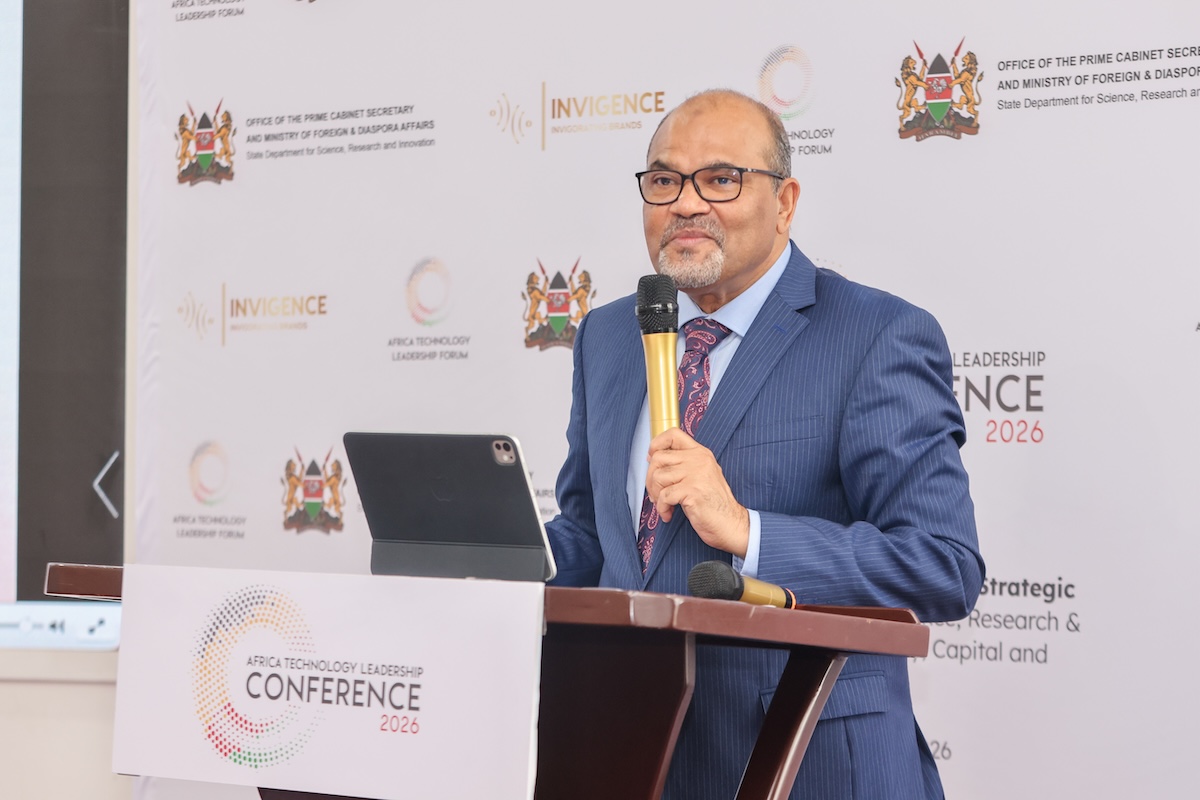
Kenya Advances Research Commercialisation Roadmap Ahead of ATLC 2026
Kenya's government has published a roadmap targeting the commercialisation of university research, aiming to bridge the gap between academic output and market-ready products. Specific financing mechanisms to support the initiative have not yet been confirmed.

Rwanda's Economy Grows 9.4 Percent in Second Quarter 2026 on Industry Surge
Rwanda's economy grew 9.4 percent in the second quarter of 2026, driven primarily by industrial output, strengthening the country's investment narrative for technology ecosystem builders and foreign investors. The growth rate reinforces Rwanda's positioning as one of the continent's fastest-growing economies.
China's Humanoid Robots Seen as Governance Stress Test for African Tech Sovereignty
Analysts are arguing that the pace of China's humanoid robot development, and its potential military applications, constitutes a governance stress test that African institutions should begin studying now. The framing positions AI-enabled robotics as a technology sovereignty issue as much as an industrial one for the continent.
African AI Development Excluding 100 Million Disabled Citizens, Analysis Finds
New analysis finds that people with disabilities are systematically excluded from African AI dataset construction and product design, representing a structural gap in the continent's AI development agenda. The exclusion affects an estimated 100 million people across Africa and is described as undermining the inclusivity claims of regional AI programmes.
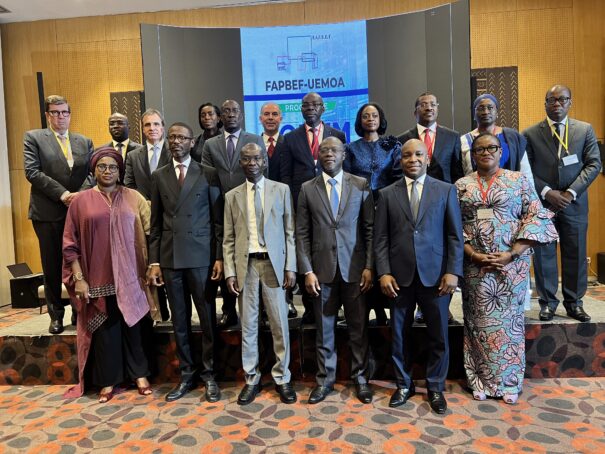
UEMOA Banking Forum Examines AI Adoption Across Francophone West African Banks
A FAPBEF-UEMOA banking forum held in Dakar has brought together Francophone West African banks to examine the adoption of artificial intelligence in financial services. The gathering reflects growing institutional momentum around AI in the region, though concrete commitments or deployment outcomes were not reported.
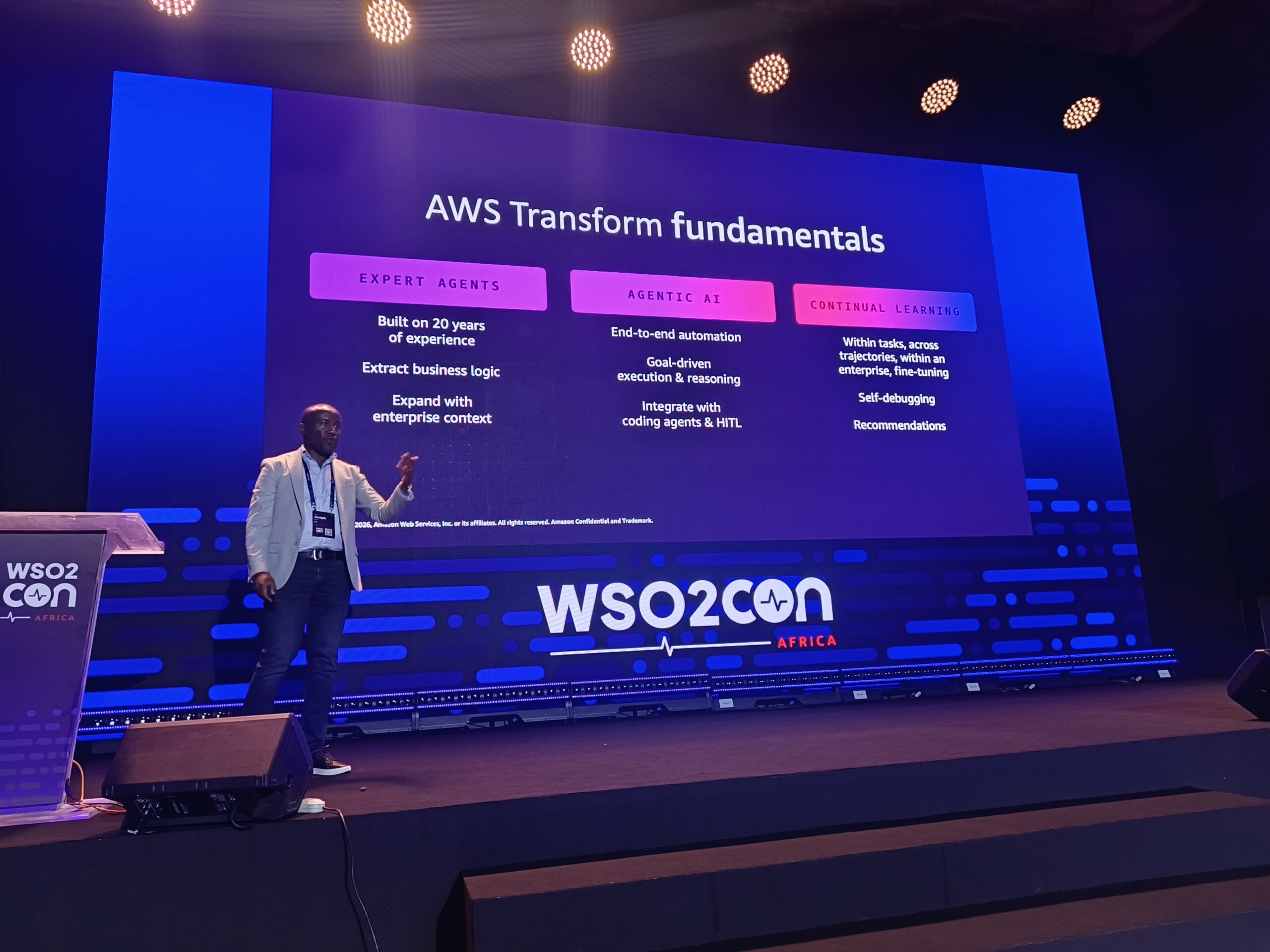
AWS and Enterprise Speakers at Nairobi Conference Outline Agentic AI Development Models
AWS and enterprise AI practitioners speaking at a Nairobi conference have outlined models for agentic AI development in which software agents take on increasing workloads while humans retain accountability for outcomes. Separately, panellists identified an execution gap between successful AI pilots and production-scale enterprise deployment as the primary operational challenge facing organisations on the continent.

Latitude59 Opens Nairobi Pitch Contest Offering African Startups International Stage Access
Estonian tech conference Latitude59 has opened a Nairobi-based pitch competition offering African startup founders access to its international stage without requiring equity. The competition is positioned as a non-dilutive opportunity for early-stage companies seeking global exposure.
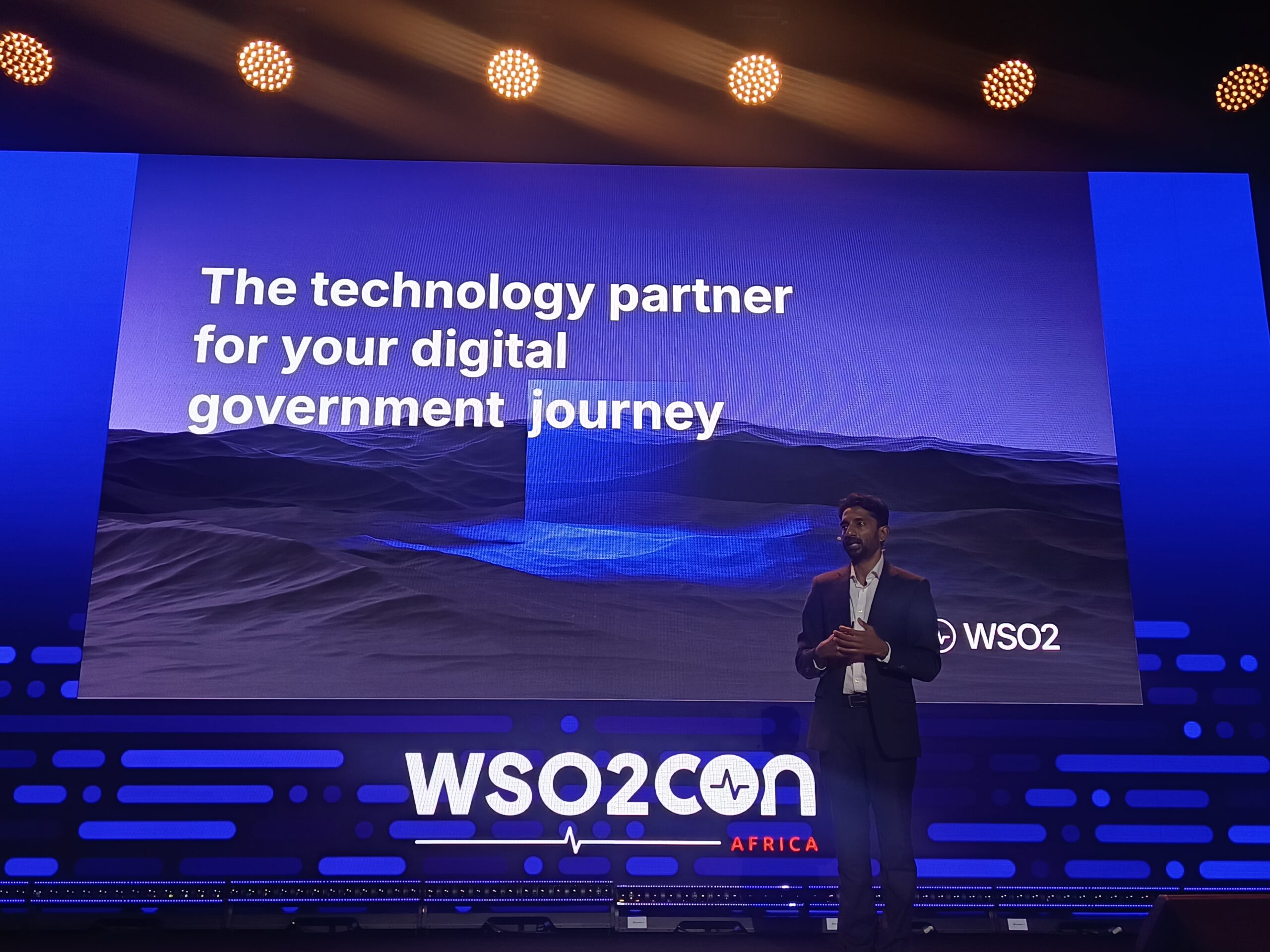
WSO2 Outlines Sovereign AI Framework for African and Global Governments
Technology firm WSO2 has outlined a framework for sovereign AI deployment in government settings, addressing data integration gaps and institutional knowledge management as foundational requirements. The guidance is directed at public-sector technology builders seeking to deploy AI systems on domestically controlled infrastructure.

Gambia Orders Nigerian and Foreign Banks to Replace All Expatriate Staff With Locals by December
The Central Bank of the Gambia's order requiring foreign-staffed banks including GTBank and Zenith to replace all expatriate employees with Gambian nationals by December 31 is maintaining pressure on Nigerian and other regional lenders with in-country operations. The indigenisation mandate creates immediate human resources and operational restructuring challenges ahead of the year-end deadline.