Daily Summary2026-07-07
Stories clustered across sources, with day-to-day continuity and threading.
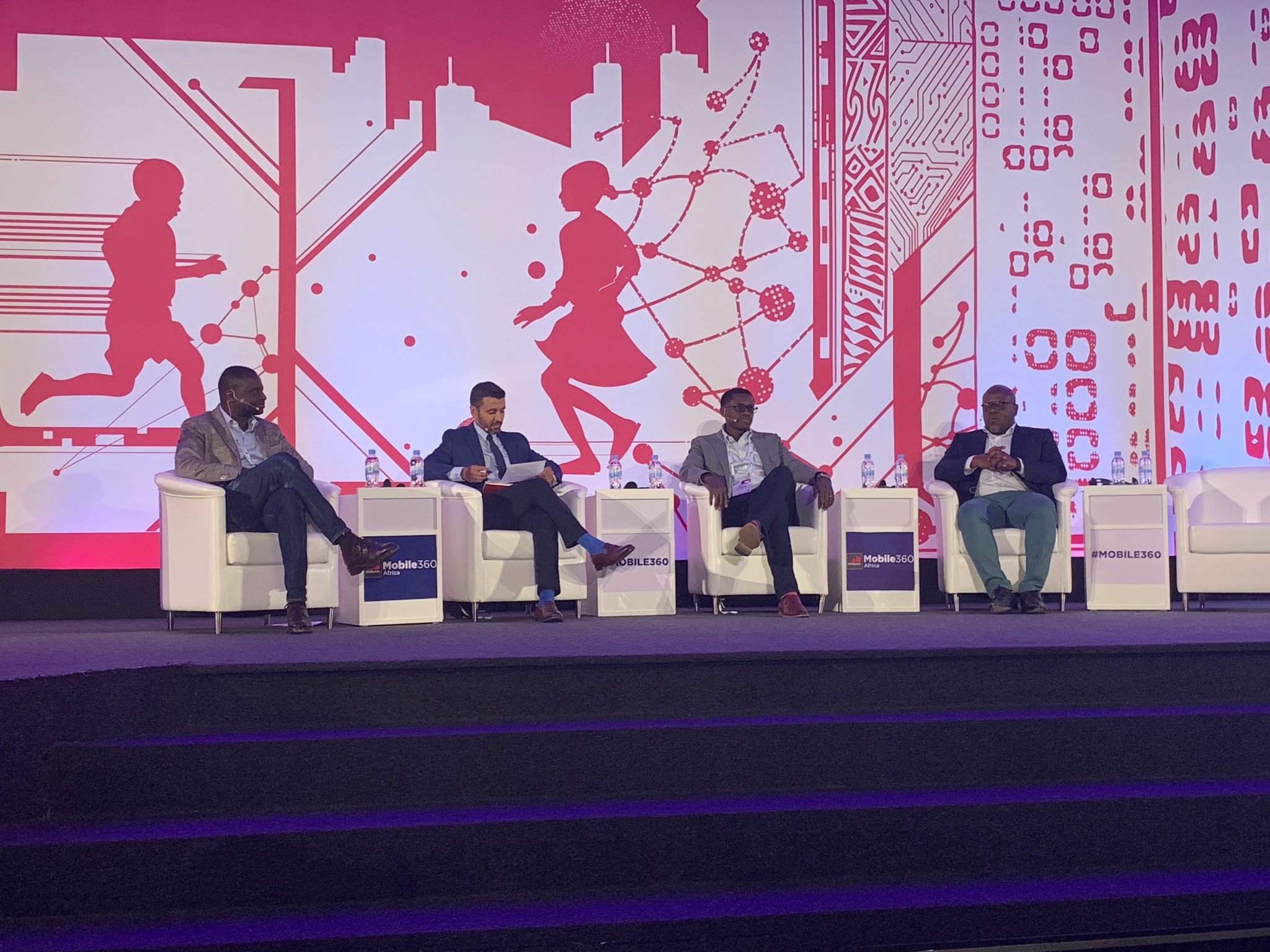
Visa, M-PESA and Onafriq Launch Stablecoin Pilot in DRC
Visa, M-PESA, and Onafriq are piloting stablecoin-based cross-border payments in the Democratic Republic of Congo, marking one of the most concrete deployments of stablecoin infrastructure by major payments networks on the continent. The pilot extends Visa's previously reported stablecoin settlement activity in the CEMEA region into a named African market with established mobile money and switching partners.

EthSwitch Clears $8 Billion as Ethiopia's Digital Payments Scale Up
Ethiopia's national payment switch EthSwitch processed the equivalent of $8 billion in interoperable transactions during the most recent fiscal year, recording ETB 2.6 billion in profit on ETB 1.26 trillion in total transaction volume. The figures position Ethiopia's digital payments infrastructure as one of the fastest-scaling national payment systems on the continent.
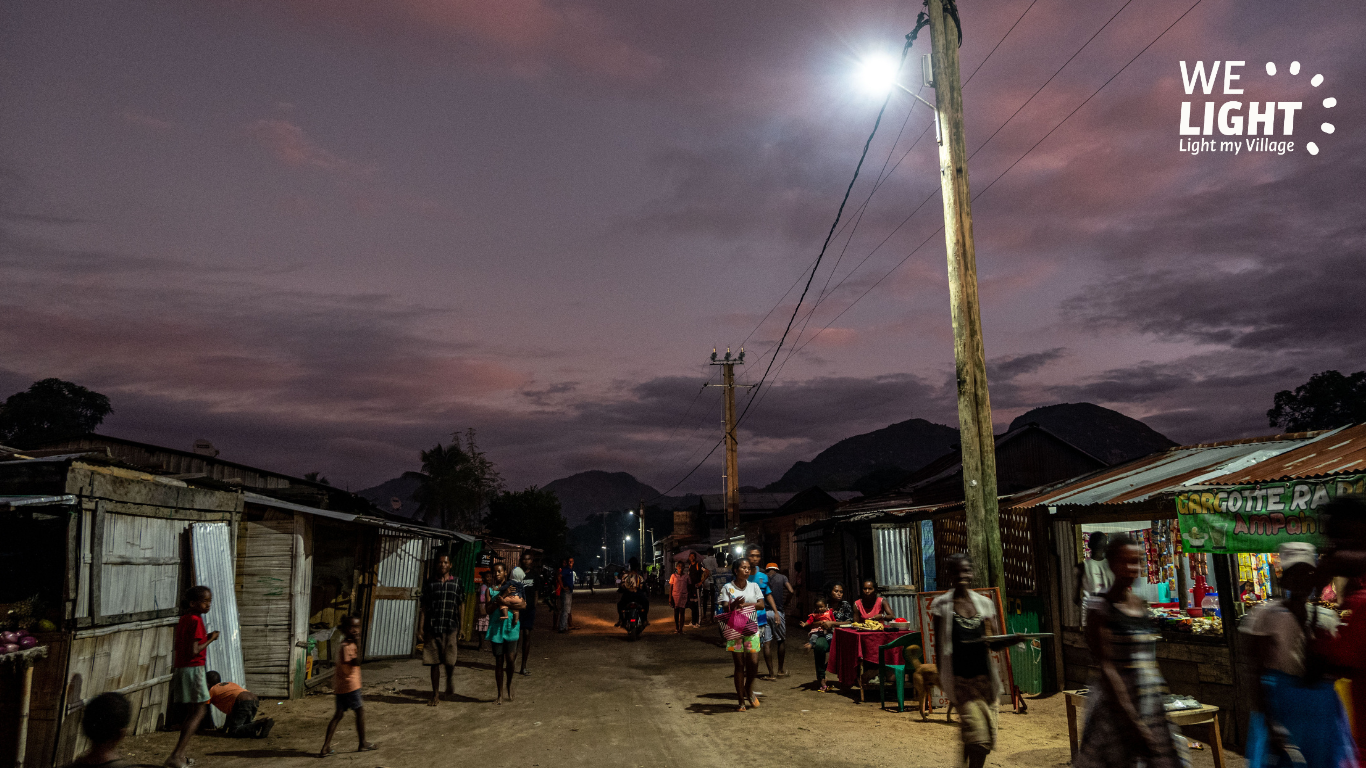
WeLight Plans $650M Solar Mini-Grid Expansion Across Nigeria and DRC
WeLight has announced a $650 million solar mini-grid expansion programme covering Nigeria and the Democratic Republic of Congo, representing one of the largest single clean-energy investment commitments in Africa's off-grid power sector. The programme targets electricity access gaps in two of the continent's most populous and energy-underserved markets.

Nigeria Targets Big Tech and AI Firms Over Training Data and Content Exploitation
President Tinubu has directed the Federal Competition and Consumer Protection Commission to investigate Meta, Google, X, and generative AI platforms over the exploitation of Nigerian media content and AI training data practices. The dual regulatory push — covering both content and AI data governance — marks the most assertive Nigerian regulatory intervention against major technology platforms to date.
South Africa Hit by Major Fibre Network Outages Across Multiple Operators
South Africa has experienced widespread fibre connectivity disruptions affecting multiple major network operators simultaneously, constituting one of the country's most significant national connectivity crises on record. The outages have affected business and consumer internet access across the country.

South Africa's Starlink Row Escalates into Telecom Reform Political Battle
South Africa's Starlink licensing controversy has evolved into a wider political battle over the country's telecommunications reform agenda, with Communications Minister Solly Malatsi publicly addressing lobbying allegations while the spectrum access debate reshapes policy credibility. Separately, Amazon Kuiper, Spacesail, and Space24 have all applied for South African market entry, signalling that the regulatory outcome of the Starlink dispute will set the template for multiple competing low-Earth-orbit operators.

Ramaphosa Announces Sovereign Cloud Strategy, Signalling Break from Hyperscalers
President Cyril Ramaphosa has announced that South Africa is building its own sovereign cloud infrastructure, signalling a policy shift away from dependence on Amazon Web Services, Google Cloud, and Microsoft Azure for state data hosting. The strategy is framed around data sovereignty and has been formalised as a presidential-level commitment.

FoodCourt Shuts Down, Exposing Nigerian Food-Tech's Structural Fragility
Nigerian food delivery startup FoodCourt has formally suspended operations after accumulating unpaid salaries and vendor debts, with analysis attributing the collapse to unsustainable unit economics in Nigeria's quick-commerce sector. The shutdown is being examined as a structural case study on the compounding challenges of last-mile logistics costs, consumer price sensitivity, and capital access in the Nigerian market.

Kenya Creates New Licence Category for Ride-Hailing and Delivery Apps
Kenya has introduced a new courier-hailing licence framework that directly governs the delivery operations of Uber, Bolt, Glovo, and other app-based logistics platforms. The regulation establishes formal operating rules for a sector that has until now operated without a dedicated licensing regime in East Africa's largest gig economy market.

MTN's Ralph Mupita Named to UN AI for Good Global Commission
MTN Group CEO Ralph Mupita has been named a founding commissioner of the UN AI for Good Global Commission, joining Rwanda's President Paul Kagame, Nvidia's Jensen Huang, and Salesforce's Marc Benioff on the body. The appointment gives Africa both head-of-state and major corporate representation on a global AI governance commission as international frameworks are being shaped.
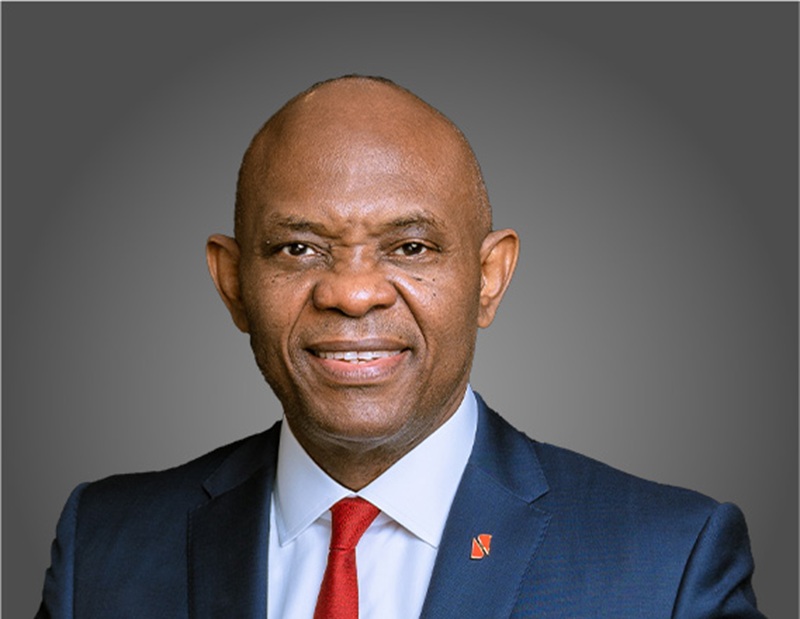
Tony Elumelu Retires as UBA Chairman, Emmanuel Nnorom Named Successor
Tony Elumelu has announced his retirement as chairman of United Bank for Africa after twelve years, with Emmanuel Nnorom formally named as his successor. The transition marks a generational leadership change at one of Africa's most pan-continental banking institutions, which operates across more than twenty African countries.

Standard Bank Backs Adenia Partners in Pan-African Financial Services Deal
Standard Bank has provided backing to Adenia Partners for a strategic acquisition of Minet Holdings, a financial services operator active across nine African countries. The transaction signals continued private equity appetite for pan-African financial services platforms with multi-market insurance and risk management coverage.

Coca-Cola HBC Opens Cairo Digital Hub Serving 27 Markets
Coca-Cola HBC has opened a digital operations hub in Cairo that will serve 27 markets, reinforcing Egypt's position as Africa's leading destination for high-value technology offshoring. The investment adds a major multinational corporate anchor to Egypt's growing tech delivery sector.

SARS Moves Toward Crypto Tax Clarity with Draft Rules
South Africa's Revenue Service has released draft cryptocurrency tax guidance that establishes formal compliance benchmarks for digital asset holders and exchanges operating in the country. The publication is being assessed as the regulatory clarity event that South Africa's crypto sector has awaited, with material implications for how exchanges and investors structure their reporting obligations.
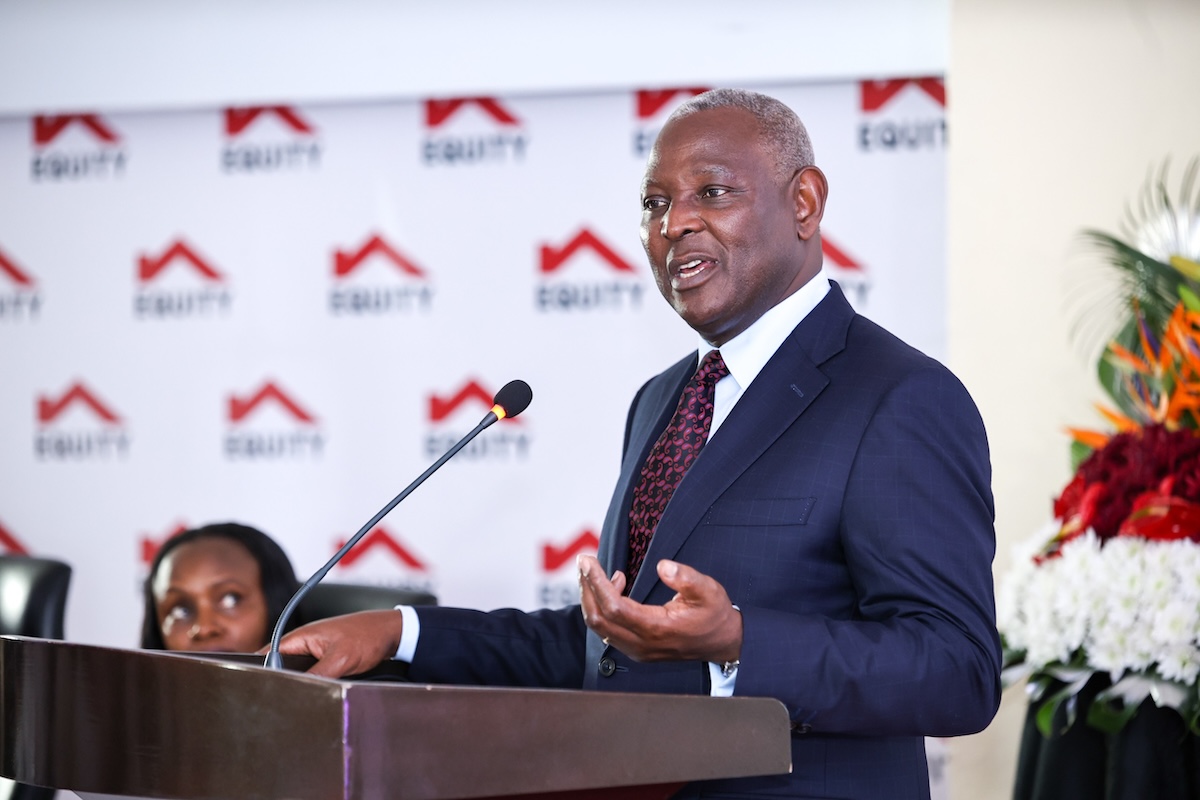
Equity Group, AfricaNenda and Gates Foundation Align on Continental DPI Push
Equity Group, the Gates Foundation, and AfricaNenda have aligned behind a continental digital public infrastructure rollout, with Equity Group CEO James Mwangi assigned a formal continental DPI mandate. The coalition represents a convergence of major banking, philanthropy, and infrastructure-building institutions around Africa's financial inclusion agenda.

Nigeria's Internet Exchange Upgrades to 400G as Traffic Tops Two Terabits
The Nigeria Internet Exchange Point has upgraded to 400 gigabit capacity as traffic through the exchange has exceeded two terabits per second for the first time. The milestone represents a foundational leap in Nigeria's domestic internet infrastructure, reducing latency and improving local data routing for the country's rapidly growing digital economy.

African Crypto Startups Enter Lending, Signalling Product Maturation
A growing cohort of African cryptocurrency startups is expanding into lending products, marking a shift from exchange and remittance services toward credit as a primary revenue model. The trend signals product maturation in Africa's digital asset sector and a new intersection with traditional financial services regulation.
South Africa's SITA Paralysed by R2 Billion Irregular Expenditure Crisis
South Africa's State Information Technology Agency has been described as paralysed by R2 billion in irregular expenditure and a R1 billion revenue shortfall, with a Public Service Commission report laying bare systemic governance failures. The crisis threatens the agency's capacity to deliver government digital infrastructure services and has drawn formal parliamentary attention.

SARB Warning on BNPL Triggers Industry Pushback in South Africa
South African buy-now-pay-later firms have publicly defended their lending model after the South African Reserve Bank issued a formal warning about risks in the sector. The exchange signals an approaching regulatory reckoning for South Africa's credit-tech industry as SARB moves to define its oversight position.
Africa's Startup Funding Leaderboards Shift as AI and Debt Reshape H1 2026
New analysis of African startup funding in the first half of 2026 shows that the country and sector composition of the leaderboards has shifted materially, with AI-linked deals and debt financing driving changes in which markets attract capital. The data provides actionable intelligence for investors assessing where momentum is building or slowing across the continent.
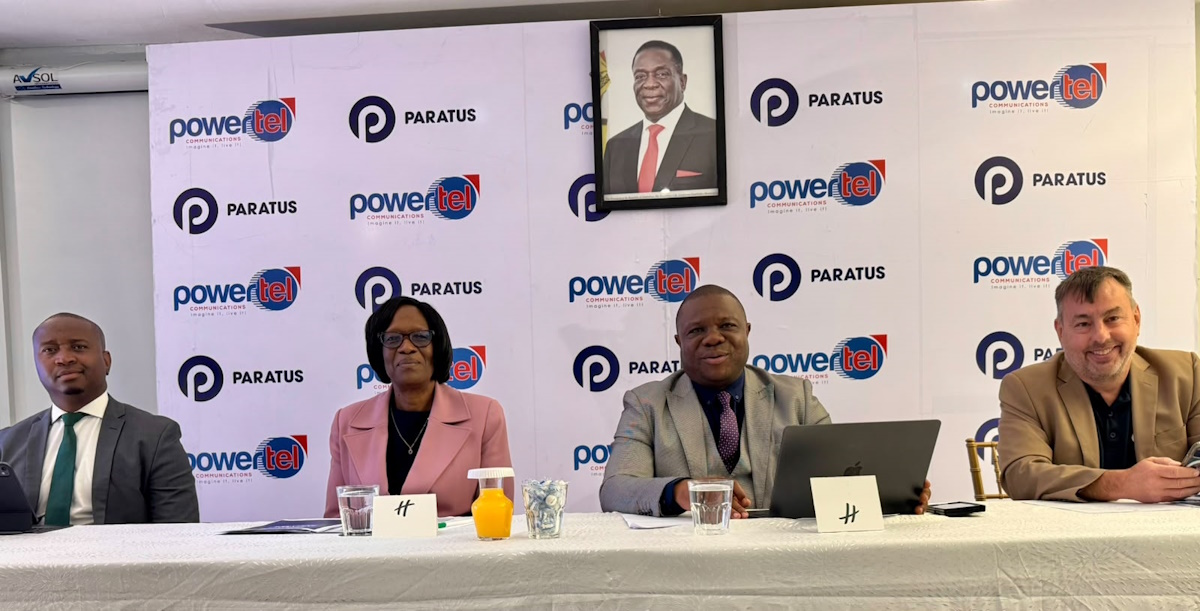
Powertel and Paratus Zimbabwe Activate Cross-Border Digital Fibre Corridor
Powertel and Paratus Zimbabwe have formally activated a new cross-border digital fibre highway, delivering a material upgrade to Zimbabwe's connectivity backbone and extending the Southern African regional network. The link improves Zimbabwe's integration into the continental internet infrastructure and reduces dependence on single-operator transit routes.

SA Banks Back Bridgement with R330M to Scale AI-Driven SME Loans
Rand Merchant Bank and Standard Bank have jointly provided R330 million in debt financing to Bridgement, a South African startup that uses AI models to assess and underwrite SME lending. The backing from two of South Africa's largest commercial banks validates AI-driven SME credit as a bankable asset class in the country.
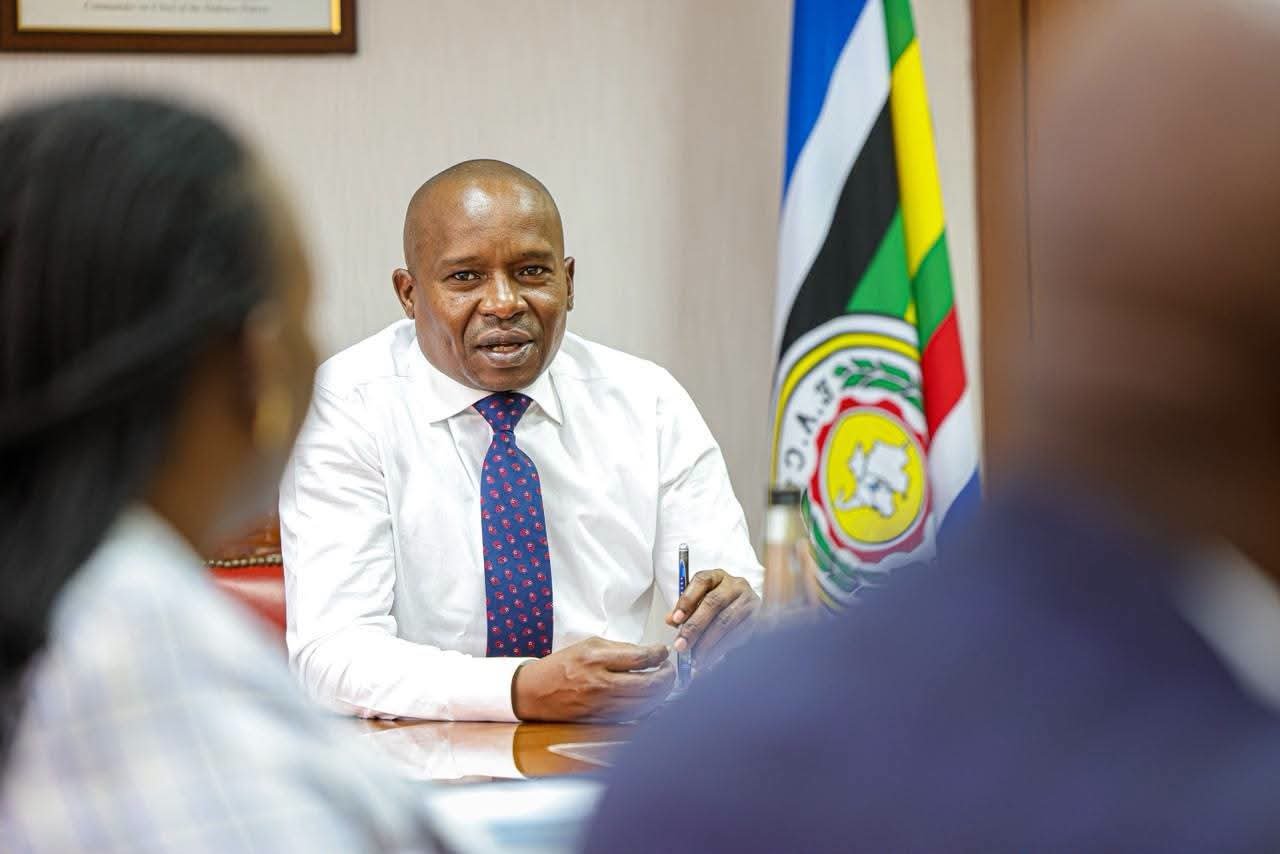
Kenya's Cooperatives Bill Could Reshape SACCO Digital Finance
Kenya's proposed Cooperatives Bill is under examination for provisions that could restructure how savings and credit cooperative organisations manage liquidity and deploy digital financial services. The legislation would affect millions of SACCO members across Kenya, one of East Africa's largest cooperative finance markets.
Kenya Grants CBK Emergency Powers to Rescue Banks During Financial Crises
Kenya has enacted legislation granting the Central Bank of Kenya emergency powers to intervene and rescue commercial banks during systemic financial crises. The change represents a material shift in Kenya's financial stability framework with implications for how both banks and fintechs assess counterparty risk in the market.
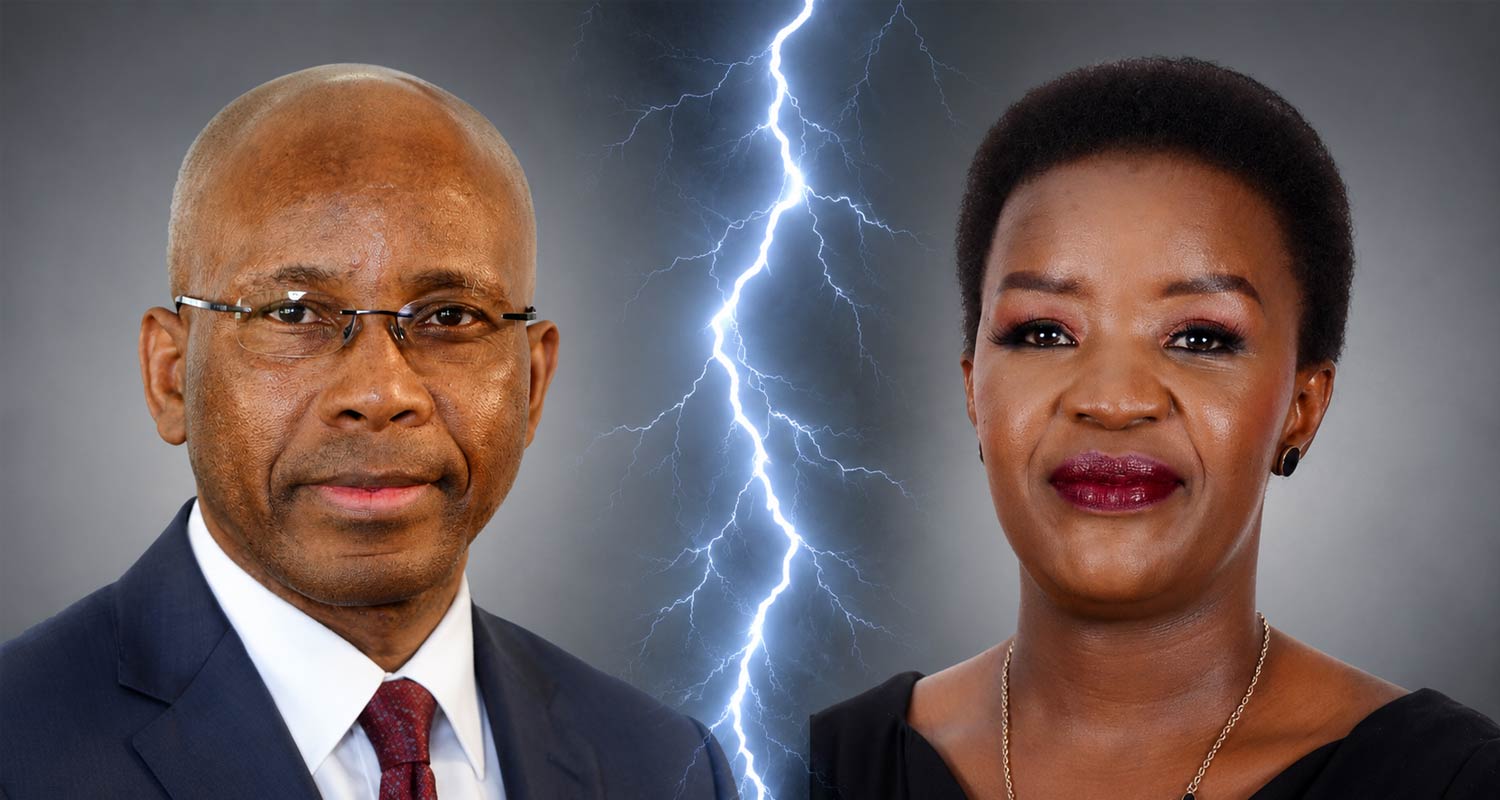
Eskom Chair and Business Lobby in Open War Over Grid Reform
Eskom's board chairman and the head of South Africa's Business Leadership South Africa have entered a public dispute over the direction of grid reform, with BLSA chief executive Busisiwe Mavuso issuing a direct public rebuke to Eskom chair Mteto Nyati. The conflict over grid ownership and private energy investment rules directly shapes the timeline and risk profile of South Africa's energy transition.
Visa Turns Smartphones into SME Payment Terminals in Emerging Markets
Visa has expanded its smartphone point-of-sale programme for small and medium enterprises in emerging markets, enabling merchants to accept card payments using only a handset without dedicated hardware. The initiative is directly targeted at Africa's large informal sector, where dedicated payment terminal penetration remains low.

South African AI Coding Startup HyperDev Raises $1M Backed by Ex-OpenAI Talent
South African AI coding startup HyperDev has raised $1 million in seed funding, with the team including engineers who previously worked at OpenAI and Google. The raise signals a growth in deep-tech credibility in South Africa's AI startup ecosystem and positions HyperDev as an early entrant in the African AI developer-tooling market.

Airtel Africa Converts 390 Tower Sites to Grid Power, Cutting Diesel Use
Airtel Africa has converted 390 telecommunications tower sites across 14 African markets from diesel generation to grid power, saving 9.1 million litres of diesel. The conversion programme represents concrete progress on decarbonising telecom infrastructure at scale across the continent.
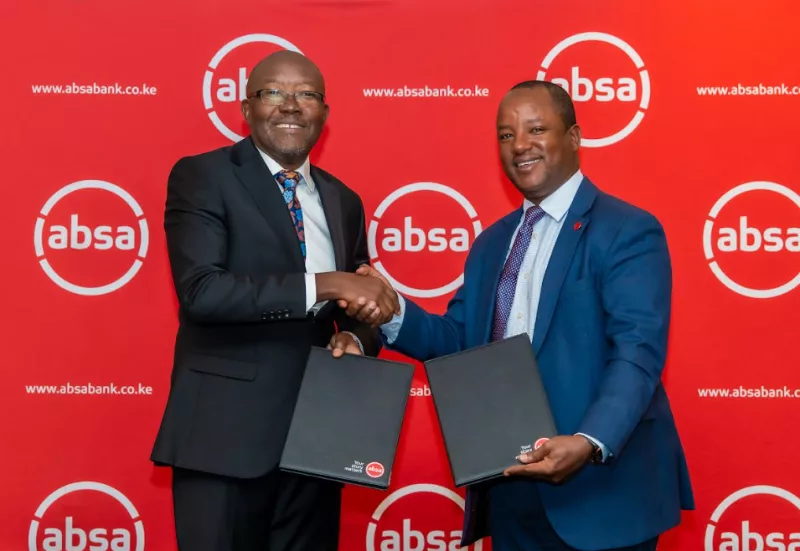
Absa and Unilever Launch KES 4 Billion Distributor Finance Programme in Kenya
Absa Kenya and Unilever have jointly launched a KES 4 billion supply chain finance facility targeting distributors and SMEs within Unilever's Kenyan distribution network. The programme provides working capital access to a segment that has historically been underserved by formal credit markets.

MTN Uganda Outage Disrupts Calls, Internet and Mobile Money Simultaneously
MTN Uganda experienced a network outage that simultaneously disrupted voice calls, data services, and mobile money transactions, exposing the risks of single-operator dependency in markets where one provider dominates critical financial infrastructure. The incident has renewed discussion about resilience requirements for mobile network operators in East Africa.

Fuzu Raises $3.86M Series A to Modernise African Recruitment with AI
Kenyan HR-tech startup Fuzu has closed a $3.86 million Series A round backed by the Jobtech Alliance, bringing institutional capital to Africa's underfunded recruitment technology sector. The raise positions Fuzu to expand its AI-driven job-matching platform across a continent where formal recruitment infrastructure remains thin.
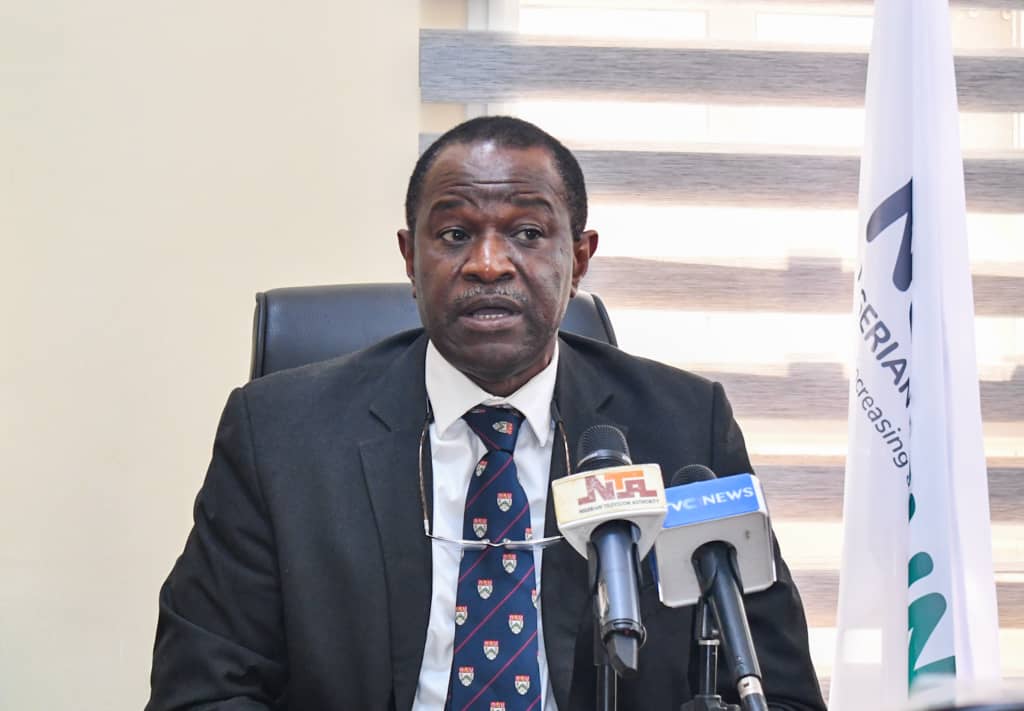
Nigeria's NELFUND to Replace Student Loan Payments with Digital Token System
Nigeria's National Education Loan Fund is introducing a digital token-based tuition payment system designed to eliminate double payments and improve transparency in the disbursement of student loans. The initiative represents a novel government-led application of digital payment technology to public education finance.

Miami Startup Builds Blockchain Settlement Rails for African Government CBDCs
A Miami-based startup is developing blockchain-based settlement infrastructure specifically targeting African government central bank digital currency projects and cross-border payment systems. The initiative positions private blockchain rails as a potential foundation layer for sovereign digital currency interoperability across African markets.
AI Traffic Begins Reshaping How South African Carriers Size Networks
South African network carriers are beginning to adapt their infrastructure sizing and monetisation strategies in response to growing volumes of AI-generated traffic. The shift represents an early structural signal of how AI adoption is changing telco network economics in Africa's most connected market.
Corporate Flight from Eskom Accelerates as South Africa Energy Market Shifts
South African businesses are accelerating their transition away from Eskom as their primary electricity source, driven by rising tariffs and improving access to private and renewable energy alternatives. The trend signals a structural reshaping of South Africa's energy market with implications for private energy investment returns.

Africa's $100 Billion Food Import Bill Framed as Investable Agritech Opportunity
A new analysis has quantified Africa's annual food import expenditure at $100 billion and framed the gap as a structured investment opportunity, identifying AI applications and food processing infrastructure as the primary intervention levers. The framing provides a capital allocation context for agritech investors tracking Africa's food security challenge.

African AI Sovereignty Debate Intensifies Amid China and US Influence Plays
New analysis is examining Africa's AI sovereignty challenge from two directions: a structural argument for building AI on African terms to avoid dependency risk, and a specific assessment of China's AI export strategy targeting South Africa and the broader Global South. The dual framing adds geopolitical depth to a debate that began with African governments resisting US aid-for-data deals.

Samsung AI Chip Profits Surge 1,800%, Underscoring Global Hardware Scarcity
Samsung has reported an 1,800 percent increase in profits driven by AI chip demand, providing commercial evidence of the acute global hardware scarcity affecting AI infrastructure development. The figures are relevant to African AI builders for whom access to compute at competitive prices remains a structural constraint.
GoCab Recruits Former Anka CEO for Ivory Coast Market Entry
Ride-hailing platform GoCab has recruited the former chief executive of collapsed Francophone African fashion marketplace Anka to lead its expansion into Ivory Coast. The hire illustrates the recycling of founder and executive talent that is sustaining startup activity in Francophone Africa despite a fragile funding environment.
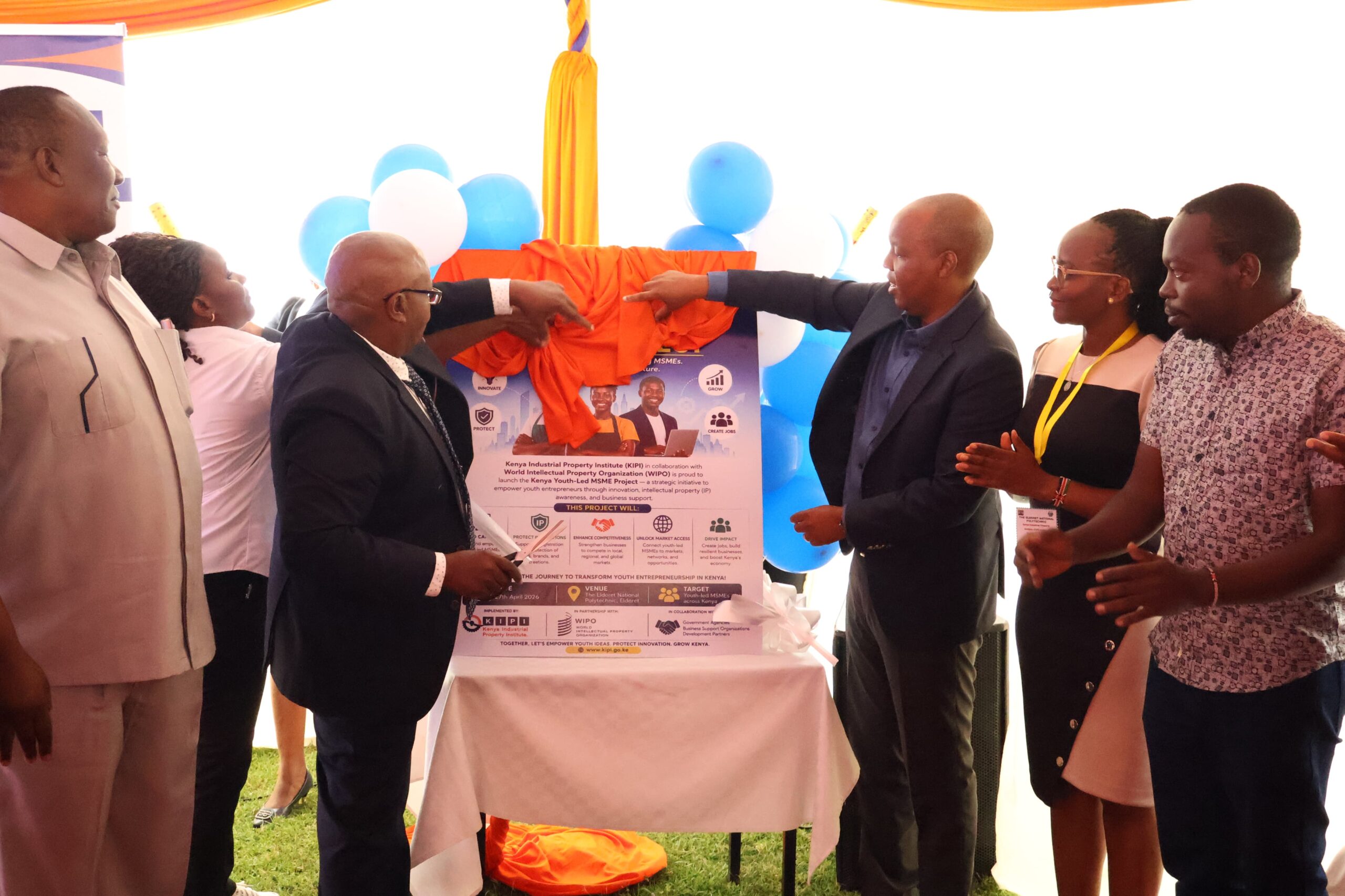
Kenya Moves to Unify Patent, Copyright and Counterfeit Oversight Into Single Body
Kenya's government is advancing plans to consolidate its intellectual property regulatory functions — currently split across separate agencies covering patents, copyright, and counterfeit goods — into a single authority. The reform could simplify IP protection processes for technology startups and content creators operating in the Kenyan market.

Andrea Aid Builds Medical Crowdfunding Platform for Southern Nigeria Patients
Nigerian startup Andrea Aid has launched a crowdfunding platform designed to help patients in Southern Nigeria fund medical expenses, addressing a gap in healthcare financing for populations without adequate insurance coverage. The product targets a well-documented unmet need in Nigeria's healthtech market.

PairRide Bets on 7% Commission to Challenge Uber in Nigeria
Nigerian ride-hailing startup PairRide is testing a 7 percent commission model, positioning itself well below Uber's standard take-rate to attract drivers in a market where driver earnings have become a competitive battleground. The strategy tests whether significantly lower platform fees can generate sufficient driver supply to build scale in Nigeria's e-hailing market.

AWS and FlexiSAF Deploy AI Instructor Initiative Across 700 Nigerian Schools
Amazon Web Services and Nigerian edtech company FlexiSAF have rolled out an AI instructor initiative across more than 700 schools in Nigeria, representing one of the largest AI-in-education deployments on the continent. The programme introduces AI-assisted teaching tools into classrooms at a scale that goes beyond typical edtech pilot programmes.
UK-Nigeria NICE Cluster Launched to Coordinate Fragmented Startup Ecosystem
The UK-Nigeria Tech Hub has launched the Nigeria Innovation and Creative Economy cluster, known as NICE, to provide structured coordination for Nigeria's historically fragmented startup ecosystem. The initiative aims to link stakeholders across funding, policy, and industry into a more coherent innovation support network.

Ghana Repays $700M Eurobond Early, Restoring Debt Market Credibility
Ghana has settled a $700 million Eurobond obligation ahead of schedule, having repaid $2.1 billion in external debt since 2025 as part of its post-restructuring recovery. The early repayment signals restored fiscal credibility that improves the investment climate for Ghanaian technology founders and investors.

Ghana CEOs Bullish on Economy but Flag Technology Risk, PwC Finds
A PwC survey of Ghanaian chief executives has found that 73 percent are optimistic about the country's economic outlook for the near term, while simultaneously identifying technology and AI-related risks as their primary concern. The combination of growth confidence and tech risk anxiety provides a useful snapshot of enterprise technology adoption sentiment in Ghana.
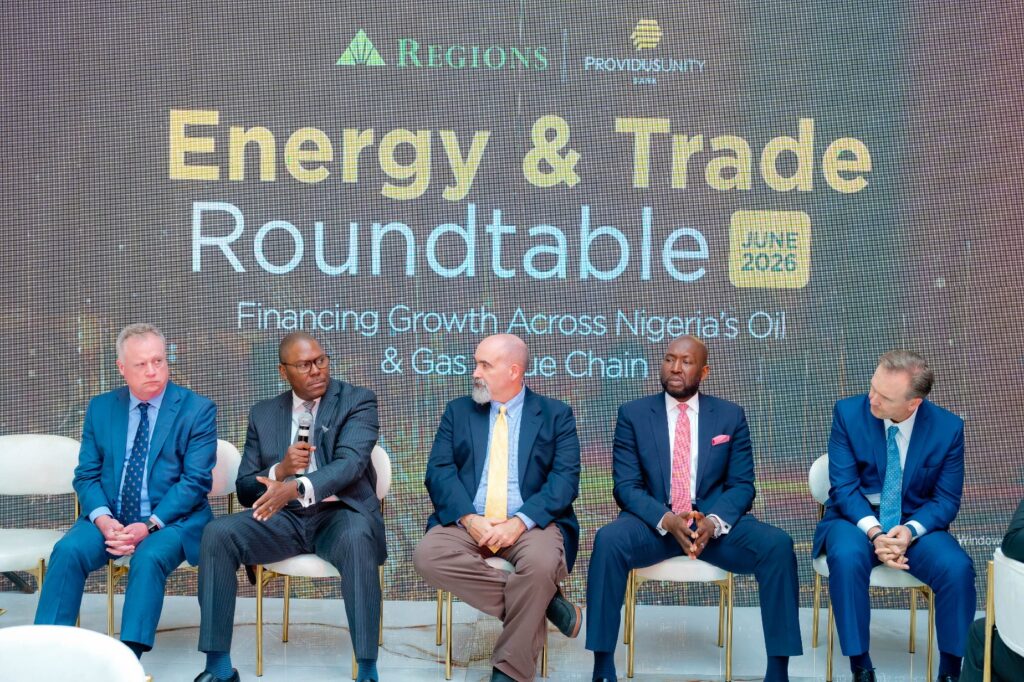
ProvidusUnity and Regions Bank Target Nigeria's $25 Billion Oil Finance Gap
ProvidusUnity Bank and US-based Regions Bank have announced a partnership targeting the estimated $25 billion financing gap in Nigeria's oil and gas sector. The tie-up opens a new cross-border capital channel for one of Nigeria's most capital-intensive industries, though the initiative remains in early-stage development.

AI's Displacement of Entry-Level Jobs Poses Acute Risk for Africa's Youth
A new analysis has identified the displacement of entry-level and junior professional roles by AI automation as a particularly acute risk for Africa's youth-heavy labour markets, where career ladders traditionally depend on these roles. The framing adds urgency to debates about AI readiness, reskilling, and education reform across the continent.

South African ISP Gambling Blocking Debate Raises Internet Censorship Concerns
South Africa's online gambling industry has escalated its demand for ISP-level blocking of unlicensed offshore betting sites as the country's Gambling Bill remains stalled in parliament. The push has raised explicit concerns about the precedent that mandatory blocking could set for internet governance and censorship norms more broadly in South Africa.
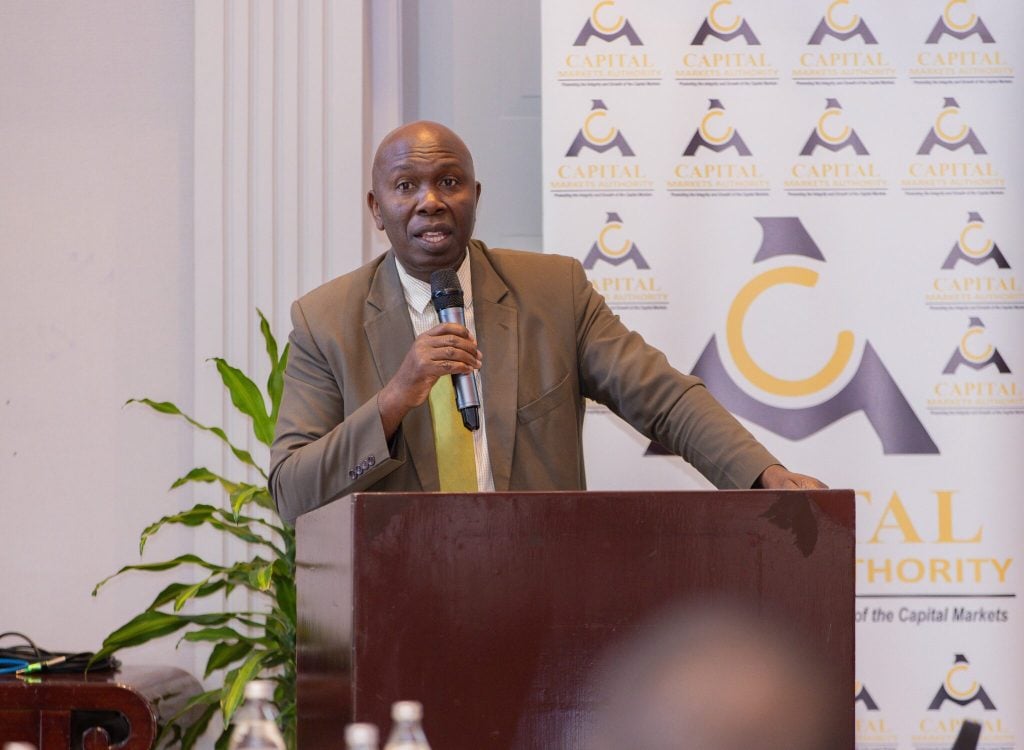
Kenya's CMA Expands Regulated Investment Fund Options for Retail Investors
Kenya's Capital Markets Authority has opened the door to a broader range of regulated investment fund structures, expanding retail investor access to formally supervised investment products. The change widens options for Kenyan savers and creates new distribution opportunities for fintech and wealth management platforms.

BEAC and Huawei Partner on Digital Finance Infrastructure for CEMAC Zone
The Bank of Central African States has announced a partnership with Huawei to develop digital financial infrastructure across the six-country CEMAC economic zone. The collaboration could reshape the technological foundation of banking and payment services across Central Africa's shared monetary area.

Egypt Introduces Fiscal Reforms to Attract Technology and Foreign Investment
Egypt has announced a new package of fiscal reforms designed to improve investor confidence and attract foreign capital, including adjustments relevant to the technology sector. The changes are positioned to enhance Egypt's competitiveness as Africa's largest startup market continues to contend with macroeconomic pressures.
Blu Label Founders Lose R1.58 Billion in Ten Months as SA Listed Tech Drops
The brothers who founded Blu Label Telecoms have seen their combined wealth fall by approximately R1.58 billion — equivalent to 50 percent of their holdings — over ten months as the company's share price declined sharply. The case provides a cautionary signal about equity concentration risk for founders of listed technology companies in South Africa.
Woolworths South Africa Faces POPIA Investigation Over Loyalty Programme
Woolworths South Africa is under formal investigation for potential non-compliance with the Protection of Personal Information Act over requirements tied to its loyalty programme. The case represents an active enforcement signal for retailers and platforms that collect customer data through membership or rewards schemes in South Africa.
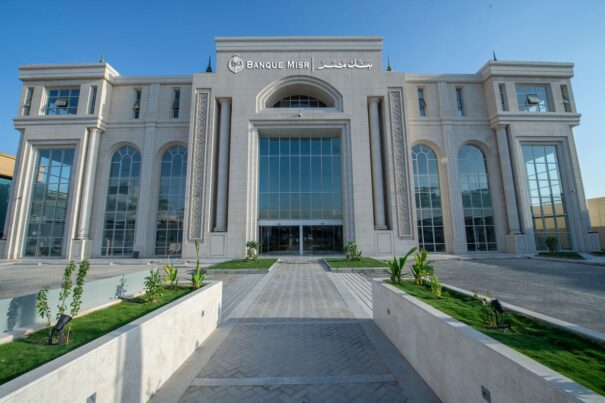
Bank Misr Opens Saudi Arabia Operations in Regional Expansion Push
Egypt's Bank Misr has officially launched banking operations in Saudi Arabia, marking the state-owned bank's formal entry into the Gulf market. The expansion is primarily a traditional banking move with limited direct signal for Egypt's technology or fintech ecosystem.

Flutterwave Co-Founder Revisits 600-Investor Rejection in Early Days
Flutterwave co-founder Iyin Aboyeji has recounted how the company was rejected by approximately 600 investors before securing its first major backing. The retrospective provides founder-perspective context on early-stage fundraising difficulty in African fintech.

Morocco-China Auto Partnership Raises European Trade Concerns
A deepening automotive manufacturing partnership between Morocco and China has raised concerns among European industry players about competitive trade dynamics on the continent. The story has limited direct technology ecosystem signal but underscores Morocco's growing role as a manufacturing hub with trade-route implications.

Sokofa Connects Nigerian Diaspora Buyers with African Artisans Online
Nigerian startup Sokofa has launched an e-commerce platform connecting diaspora buyers with African artisans and small vendors, targeting the underserved cross-border consumer commerce niche. The platform addresses a real friction point between diaspora purchasing intent and the limited discoverability of African artisanal products online.
South African Medical Aid Data Breach Signals Healthtech Supply-Chain Risk
A third-party data breach affecting a major South African medical aid scheme has exposed personal member information, raising supply-chain security concerns for healthtech vendors that integrate with insurance administration systems. The incident is a live signal for how data security risks propagate through South Africa's health insurance technology ecosystem.

South Africa Home Affairs Issues Biometric Tender to Identify Suspected Foreigners
South Africa's Department of Home Affairs has published a biometric identification tender specifically aimed at identifying suspected undocumented foreigners, raising data rights and civil liberties concerns within the technology and civil society communities. The procurement signals an expansion of biometric surveillance infrastructure by the state.

Nigeria Startup City Mapping Shows Talent Emerging Beyond Lagos
A new mapping of Nigeria's tech startup ecosystem has identified ten cities beyond Lagos that are developing meaningful startup talent pools, providing geographic diversification data for investors and founders tracking the country's ecosystem. The analysis challenges the Lagos-centric framing that has historically dominated Nigerian tech coverage.
DStv Faces Mounting Price Competition from Streaming Alternatives in South Africa
New consumer-facing analysis has highlighted that South African consumers can access ten streaming services for the equivalent price of a single DStv Premium subscription, providing concrete pricing context for the competitive pressure facing MultiChoice. The data point reinforces the Vodacom-Amazon streaming partnership announced a day earlier as part of a broader fragmentation of South Africa's pay-television market.

Ransomware and Identity Theft Top Nigeria's Escalating Digital Threat Landscape
A new cybersecurity assessment has identified ransomware and identity theft as the leading digital threats facing Nigerian businesses and individuals. The findings provide context for operators and investors assessing security exposure in Africa's largest digital economy.
Namibia's MTC Raises Aweh Prices While Adding Data Bonuses
Mobile Telecommunications Company Namibia has increased prices on its Aweh prepaid bundle range while simultaneously adding data bonuses to soften the impact on consumers. The repricing signals competitive pressure on bundle margins in a small but closely watched Southern African market.

CBN Acts on Creditville MFB as Nigeria Microfinance Pressure Continues
Nigeria's Central Bank has taken regulatory action against the microfinance bank subsidiary of the Creditville group, which has confirmed it remains operational across other subsidiaries. The action signals continued enforcement activity in Nigeria's microfinance sector following the mass licence revocations announced earlier in July.

Microsoft Launches $2.5 Billion Frontier Company for Enterprise AI Adoption
Microsoft has formally launched its $2.5 billion Frontier Company vehicle to accelerate enterprise artificial intelligence adoption across its global customer base. The initiative is global in scope and carries limited Africa-specific signals beyond its relevance to multinational enterprises operating across the continent.

CambriLearn Adds Social Features to Online Schooling Platform in Africa
South African online schooling platform CambriLearn has introduced social infrastructure features designed to replicate peer interaction for students learning remotely. The update signals a maturation of edtech product design as platforms move beyond content delivery toward more holistic learning environments.

Katapult Africa Opens Applications for Climate-Tech Accelerator Programme
Katapult Africa has opened applications for its latest climate-focused accelerator programme, providing an entry point for early-stage founders working on climate technology solutions across the continent. The call represents a structured funding and mentorship opportunity in a sector that remains undercapitalised relative to its strategic importance.
Cyberattack Hits South African Civil Society Organisation That Stopped E-Tolls
The Organisation Undoing Tax Abuse, which is known for successfully campaigning against South Africa's e-tolls system, has been struck by a cyberattack. The incident highlights growing cybersecurity vulnerability among civil society organisations that play significant roles in South Africa's digital and public policy environment.
South Africa's AI Gains Seen as Bypassing Millions of Digitally Excluded Citizens
A new analysis has used low personal computer ownership data to ground concerns that South Africa's advances in artificial intelligence are failing to reach the majority of the population. The framing adds quantitative evidence to the AI access gap debate in a country where digital infrastructure remains unequally distributed.

Binance Pay-in-Chat Rolls Out Across Africa, Lowering Crypto Transfer Friction
Binance has expanded its Pay-in-Chat cryptocurrency transfer feature across African markets, enabling users to send digital assets directly within chat interfaces. The rollout reflects continued evolution of crypto user experience design for African consumers who conduct significant commerce through messaging applications.
Smaller South African City Posts Fastest Broadband Speeds in the Country
A city smaller than Johannesburg and Cape Town has recorded the fastest average broadband speeds in South Africa according to 2026 rankings, indicating that connectivity quality is not confined to the country's largest urban centres. The data provides a useful reference point for businesses and investors assessing connectivity quality across South African markets.