Daily Summary2026-08-22
Stories clustered across sources, with day-to-day continuity and threading.

Cell C Activates 5G and Reports 5.7 Million MVNO Subscribers in First Post-Listing Results
Cell C has activated 5G services using a tower-light MVNO model — owning no towers — and reported 5.7 million MVNO subscribers, 1.3 million net additions, and a 64 percent reduction in debt in its first full-year results since listing on the JSE. The operator's revenue is now dominated by wholesale MVNO partnerships rather than direct subscribers, with bank-embedded mobile services emerging as the primary growth driver. The results confirm South Africa's fourth mobile operator has completed a structural pivot to an asset-light model.
Dangote Offers East African Nations 30% Equity in Planned $17 Billion Kenya Refinery
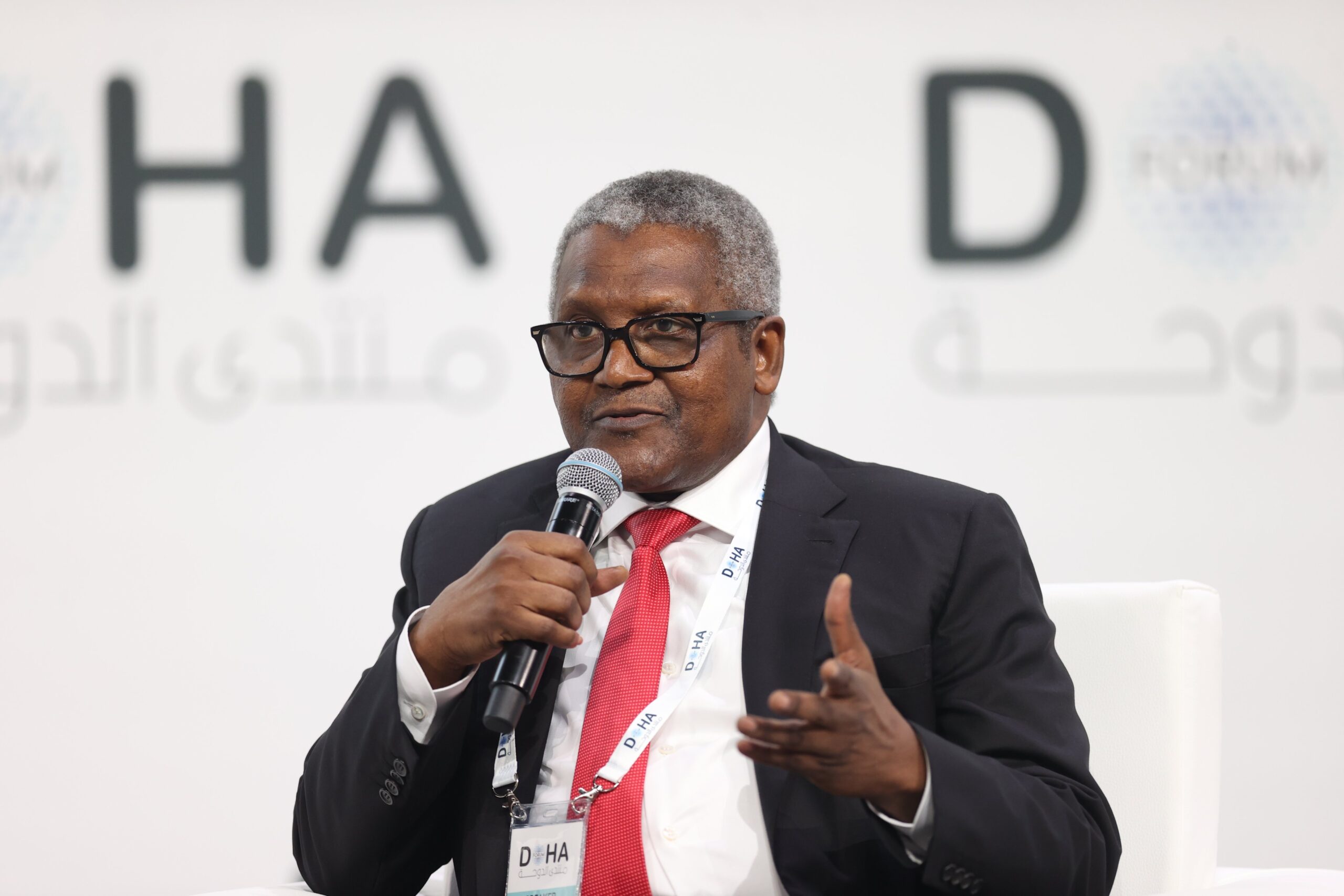
Aliko Dangote is offering East African countries a combined 30 percent equity stake in a planned $17 billion refinery in Kenya, positioning the project as a pan-African energy infrastructure deal. The proposal represents a landmark attempt to anchor regional sovereign co-ownership into a major downstream energy asset on the continent.

Nigeria's CBN Plans to Run Observer Nodes on Stablecoin Blockchains to Monitor Transactions
Nigeria's Central Bank is planning to run observer nodes on stablecoin blockchain networks as a mechanism for monitoring transactions by Nigerian users, a technically ambitious regulatory approach that goes beyond conventional reporting requirements. The proposal raises unresolved questions about technical feasibility and jurisdictional reach, with implications for stablecoin operators and crypto platforms active across the continent.

MTN Migrates MoMo to Cloud Infrastructure Across Four African Markets Under Ambition 2030
MTN has migrated its MoMo mobile money platform to cloud infrastructure across four African countries as part of its Ambition 2030 strategy, marking a significant modernisation of the group's fintech technology stack at continental scale. The move is designed to improve scalability, resilience, and cost efficiency for one of Africa's largest mobile money platforms.

Nigerian Stablecoin Infrastructure Startup Hits $1 Billion in Transaction Volume After Pivot
A Nigerian stablecoin infrastructure startup — whose founder's first African crypto venture failed — has reportedly reached $1 billion in transaction volume, with the company claiming approximately tenfold growth over the past 12 months. The milestone is self-reported and provides a concrete, if unverified, scaling benchmark for stablecoin infrastructure in Africa's largest digital-asset market.

Uganda's Broken National ID QR Codes Block Bank and SIM Access, Fix Five Months Overdue
Uganda issued national identification cards with non-functional QR codes, and the fix is now reported to be five months overdue. The failure is blocking citizens from completing bank account opening and SIM card verification processes that depend on the QR-based identity check, exposing a critical weakness in the country's digital identity infrastructure.

AgDevCo Ventures Reaches $49 Million First Close for East African Agri-SME Fund
AgDevCo Ventures has reached a $49 million first close for a fund targeting early-stage agricultural SMEs in East Africa, backed by IFAD and other development finance institutions. The vehicle is structured to deploy smaller, targeted tickets into a segment where early-stage capital has been documented as scarce.

NITDA and Budget Office Form Joint Committee for Nigeria's Sovereign Cloud Initiative
Nigeria's National Information Technology Development Agency and the Budget Office have established a joint committee to oversee the country's Sovereign Cloud Initiative, formalising the governance structure behind the National Digital Cloud Policy unveiled on August 19. The committee's formation is a concrete implementation step with direct implications for public-sector technology procurement and cloud vendors targeting Nigeria's government market.
CIB's Yomo Receives CBE Approval, Joining Egypt's Incumbent-Backed Digital Bank Cohort
Commercial International Bank's digital banking arm, Yomo, has received approval from Egypt's Central Bank, making CIB the latest incumbent financial institution to enter the country's neobank market. The move reshapes Egypt's competitive fintech landscape as established banks increasingly pursue digital-only banking licences alongside pure-play challengers.

Liberia Enacts Cybercrime and Data Protection Laws Simultaneously
Liberian President Joseph Boakai has signed both a Cybercrime Act and a Data Protection Act into law simultaneously, marking a landmark moment in West Africa's digital governance landscape. The twin enactments give Liberia a foundational legal framework for digital commerce, data handling, and cybercrime prosecution.

Ghana's Crypto Sandbox Nearly Doubles to 20 Firms in Six Months
Ghana's cryptocurrency regulatory sandbox has grown to approximately 20 participating firms, nearly doubling its membership over six months, according to new reporting. The expansion positions Ghana as the most active virtual asset regulatory testing ground in West Africa and signals a deliberate policy push to develop a formal digital asset framework.

AWS-Backed $1 Billion Engineering Firm Targets Africa's AI Deployment Gap
A billion-dollar engineering firm backed by Amazon Web Services is targeting Africa's AI deployment gap as part of AWS's broader $1 billion programme to embed engineers directly within enterprise customers' operations. The initiative is being tracked as a concrete signal of large-scale AI infrastructure intent for African governments and enterprises, though the scale of Africa-specific commitment within the global programme has not been separately quantified.

South Africa's E-Commerce Hits R130 Billion but Profitability Remains Elusive
South Africa's e-commerce sector has reached an estimated R130 billion in revenue but continues to face a persistent profitability crisis, according to new analysis. The gap between top-line growth and operational returns is described as a structural problem with direct implications for investors in the sector.

Complete Farmer's Desmond Koney Joins Endeavor Network With 72,000 Farmers Onboarded
Ghanaian agritech founder Desmond Koney and his company Complete Farmer have been accepted into the Endeavor Network, with the platform reporting 72,000 farmers onboarded to date. The selection is a notable validation signal for an agritech operator that has reached meaningful farmer-scale in West Africa.
Chams H1 Profit Rises 13% to ₦473 Million as Cards and Biometrics Drive Revenue
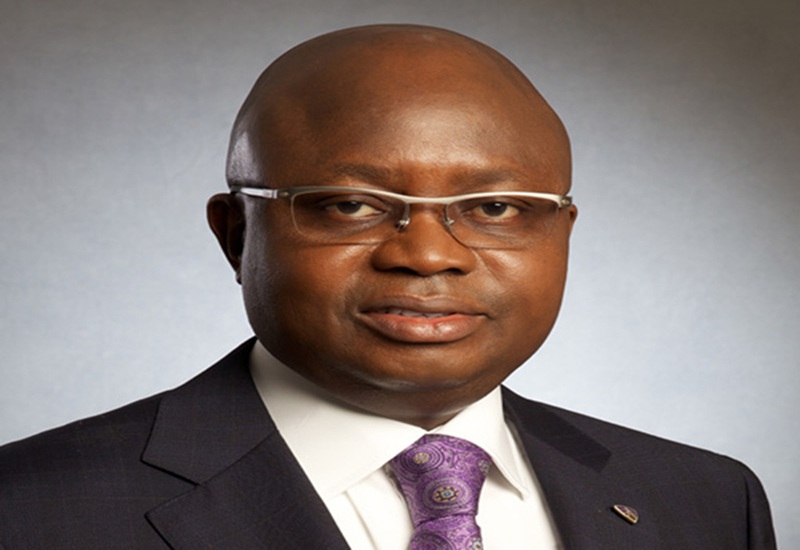
Nigerian identity and payments infrastructure company Chams reported a 13 percent rise in first-half 2026 profit to ₦473 million, with cards and biometrics identified as the primary revenue drivers. The results indicate that Nigeria's biometric payments infrastructure layer is generating measurable and growing financial returns.
CWG's ₦44.4 Billion H1 Revenue Jump Masks Just 2.4% Profit Growth
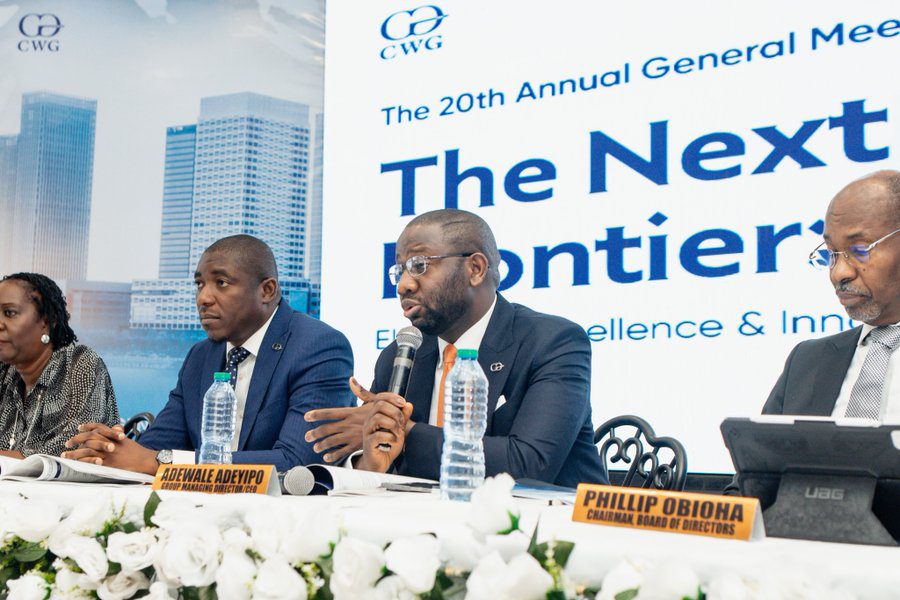
Nigerian enterprise technology company CWG reported a sharp jump in first-half 2026 revenue to ₦44.4 billion, but profit growth came in at just 2.4 percent over the same period. The divergence signals significant margin pressure in Nigeria's enterprise technology segment despite strong top-line performance.
Domestic NGX Transactions Hit Record ₦10.68 Trillion as Local Investors Dominate
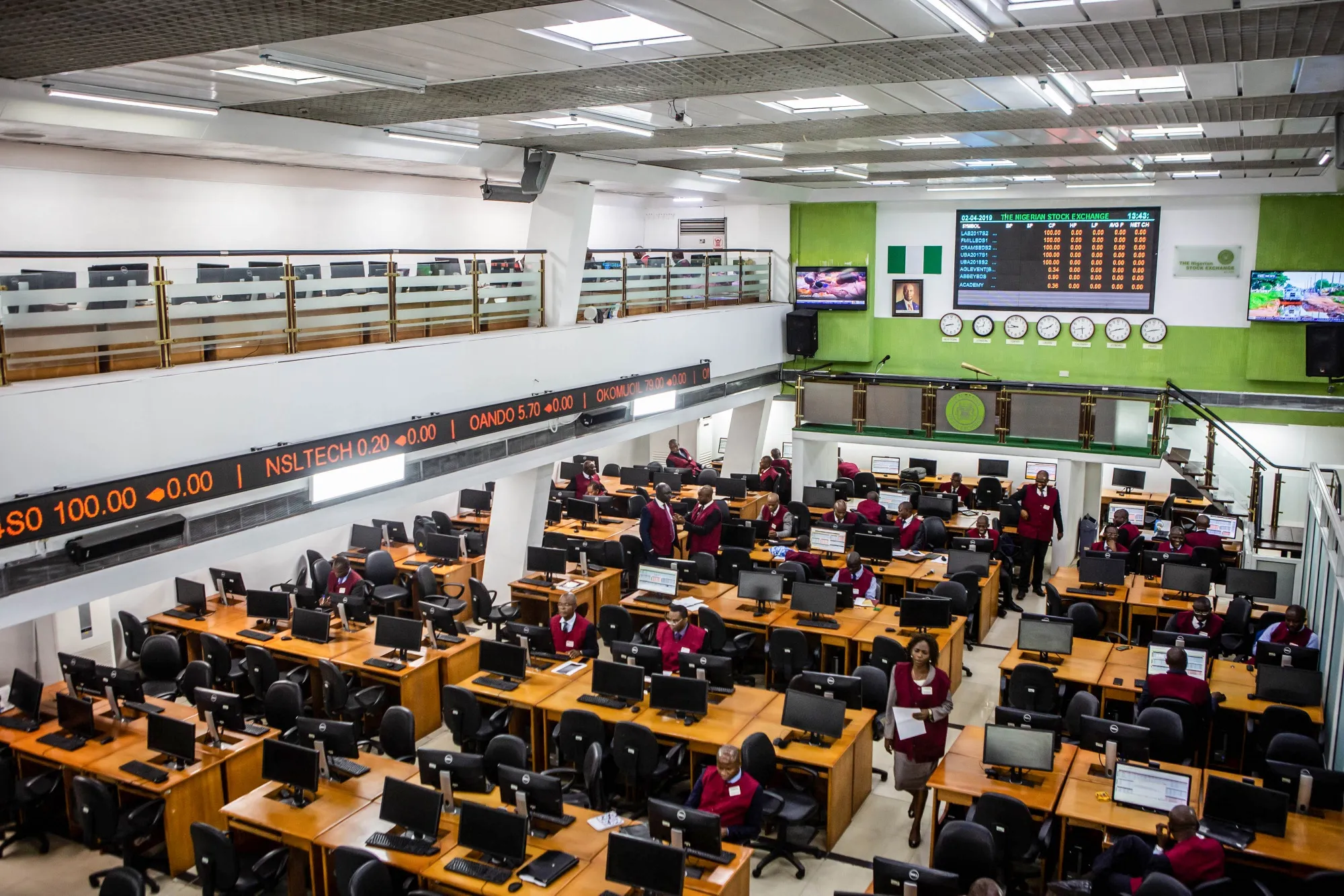
Domestic investor transactions on Nigeria's NGX stock exchange reached a record ₦10.68 trillion, with local participants accounting for an increasingly dominant share of market activity. The milestone signals a deepening of retail and institutional participation in Nigeria's domestic capital markets.

Majority of Nairobi Ride-Hailing Users Oppose Proposed Minimum Fare Regulation
A majority of Nairobi ride-hailing users have opposed a proposed minimum fare regulation for the sector, complicating Kenya's regulatory effort to set a price floor for gig-economy transport platforms. The public response adds a consumer-demand dimension to an ongoing policy debate over how to govern platforms such as Uber and Bolt in East Africa's largest city.

Nigerian Nonprofits Deploy AI to Verify Election Results Ahead of 2027 General Vote
Nigerian civil society organisations are developing AI-powered tools to verify election results and detect manipulation ahead of the country's 2027 general elections. The initiative represents a high-stakes civic technology test for AI deployment in Africa's most populous democracy.

Absa Cuts SME Onboarding to Under 30 Minutes Using AI
Absa has reduced its SME onboarding time to under 30 minutes through AI-driven process automation, providing a concrete and measurable efficiency result from the bank's accelerating AI adoption programme. The result adds to the bank's AI milestone data reported on August 21, which included 1.6 million chatbot users and 100,000 monthly queries.
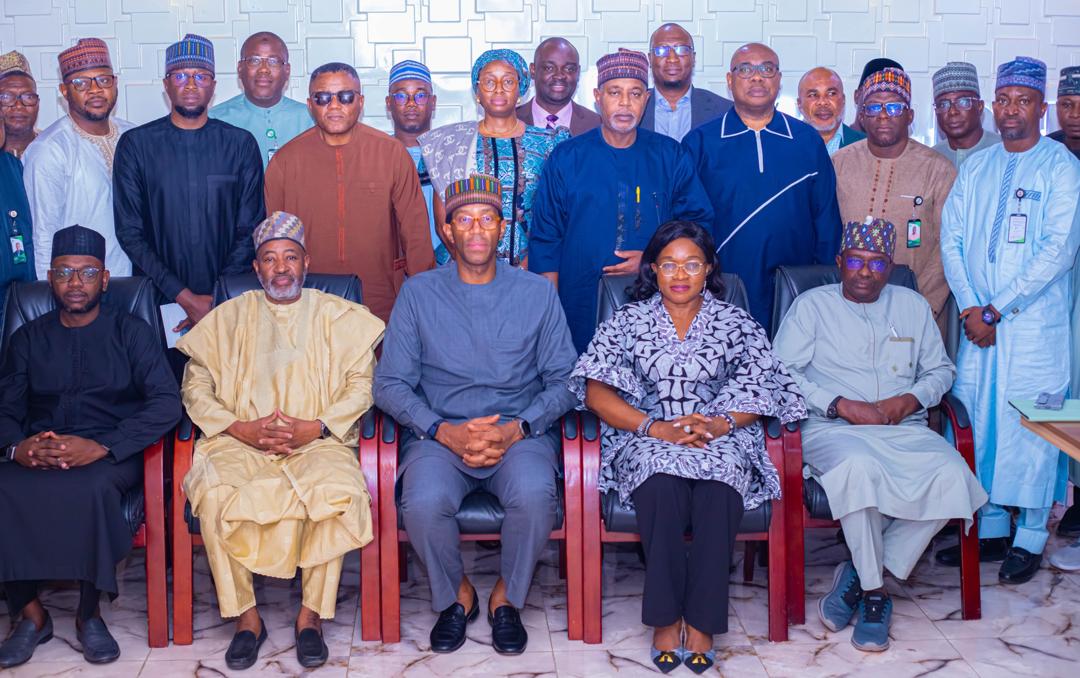
NERC Appoints Interim Board to Oversee Troubled Kaduna Distribution Company
Nigeria's electricity regulator NERC has named a five-member interim board to take over management of the Kaduna Electricity Distribution Company, marking a significant regulatory escalation in Nigeria's chronically troubled power sector. The intervention signals the regulator's willingness to use direct control measures against underperforming distribution operators.
Makueni County Deploys Satellite, AI and GIS to Cut Cost of Rural Road Planning
Kenya's Makueni County is using satellite imagery, artificial intelligence, and geographic information systems to plan rural road construction, aiming to reduce costs compared to conventional survey methods. The approach is being described as a notable govtech proof-of-concept for AI-assisted infrastructure planning in Africa.
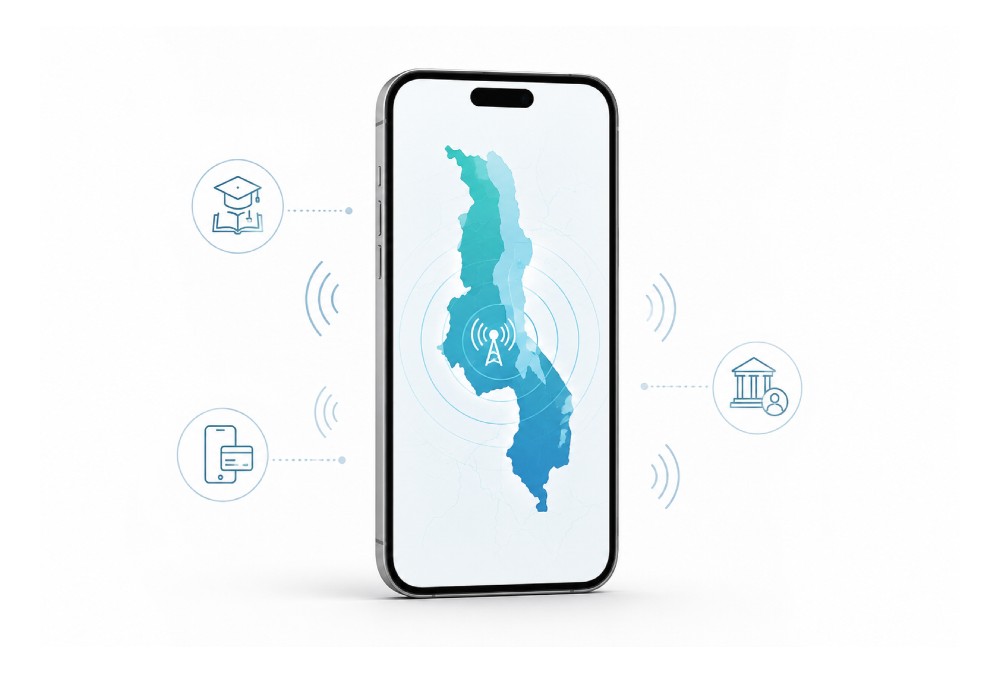
GSMA: Digital Reform Could Create 490,000 Jobs and MWK1.1 Trillion in Malawi by 2030
A GSMA report projects that digital reforms in Malawi could create 490,000 jobs and generate MWK1.1 trillion in economic output by 2030, providing rare quantified data for a small African market. The report extends earlier GSMA findings that approximately 80 percent of Malawians remain offline despite having network coverage.

WSO2 Opens First Africa Office in Johannesburg
Enterprise middleware company WSO2 has opened its first Africa-based office in Johannesburg, citing growing demand for API management and integration infrastructure across the continent. The move signals increasing corporate confidence in Africa as a market for enterprise software modernisation services.

South Africa's Seed-Stage Funding Gap Identified as Constraint on Venture Pipeline
New analysis identifies South Africa's seed-stage funding environment as a binding constraint on the country's broader venture capital pipeline, with the gap limiting the supply of companies available for later-stage investment. The findings add domestic market data to the structural African VC critique made by Oui Capital's Olu Oyinsan on August 18.

Dutch Court Fines Uber €825 Million Over Algorithmic Driver Deactivation
A Dutch court has fined Uber approximately €825 million — reported in some outlets as $966 million — for automatically suspending drivers without adequate human oversight, in a ruling that sets a significant precedent for algorithmic labour management. Gig-economy platforms operating across Africa, including those in Kenya's contested ride-hailing market, are expected to monitor the ruling's implications.

Africa's Voluntary Carbon Market Faces Unresolved Land Ownership and Pricing Questions
New analysis of Africa's voluntary carbon market identifies unresolved land ownership rights and the absence of established pricing mechanisms for previously unmonetised assets as core barriers to market development. The findings carry direct implications for deal structuring in a space where Access Bank Ghana took a landmark broker licence position on August 19.
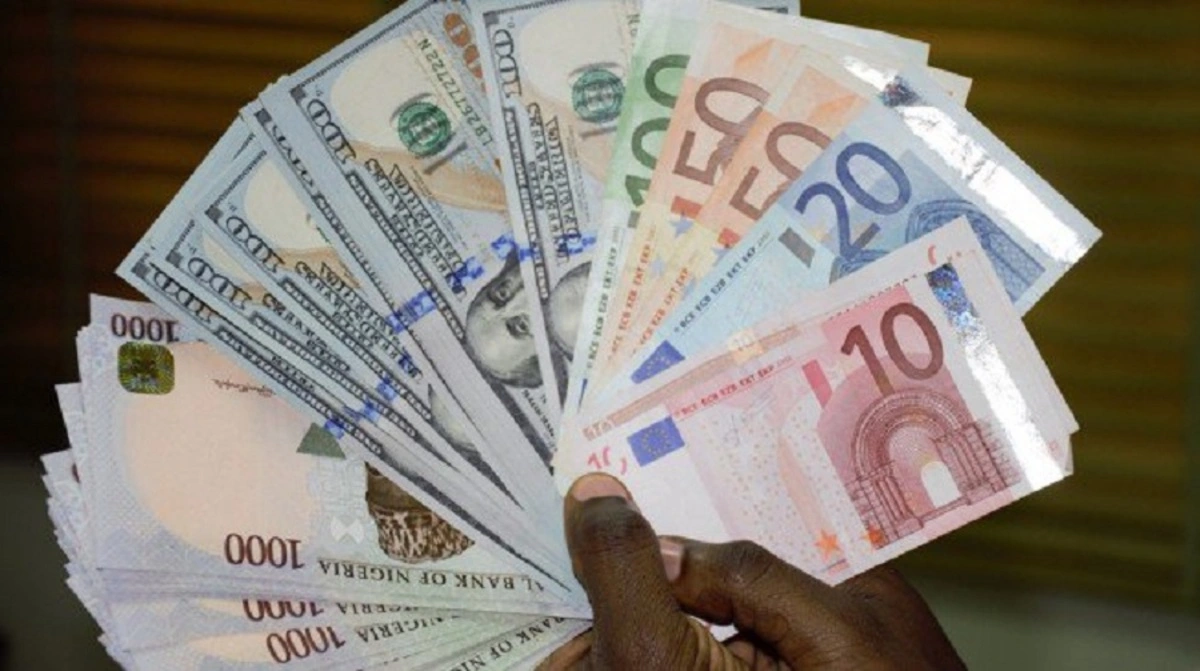
Naira Firms to ₦1,346.90/$ as Weekly FX Turnover Doubles to $4.5 Billion
The Nigerian naira has strengthened to ₦1,346.90 per dollar while weekly foreign exchange turnover in the official market has reportedly doubled to $4.5 billion in a single week. The combined movement is relevant context for startups and investors managing dollar-denominated exposure in Nigeria.
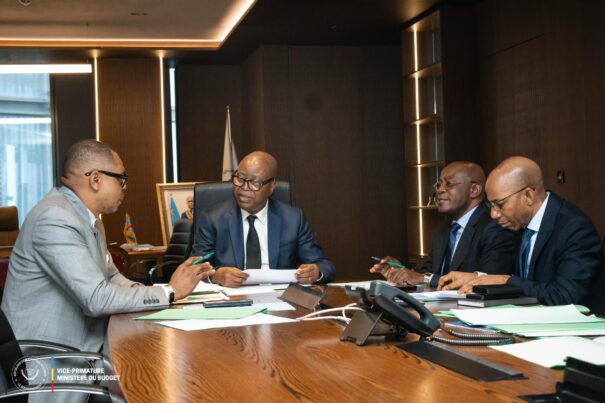
DRC Telecoms Sector Identified as Major Source of State Revenue
New reporting identifies telecoms as a significant contributor to the Democratic Republic of Congo's state revenue, providing data on the sector's scale and its leverage in shaping national policy. The figures underscore the strategic importance of telecoms regulation to fiscal policy in one of Africa's largest markets.

SheIsIncluded Targets 10 Million Nigerian Women With Mobile-Based Skills Training
The SheIsIncluded initiative has announced a goal of reaching 10 million Nigerian women with mobile-based skills training, though detailed implementation and funding information has not been publicly disclosed. The scale of the target places it among the larger gender-focused digital skills commitments in Nigeria.
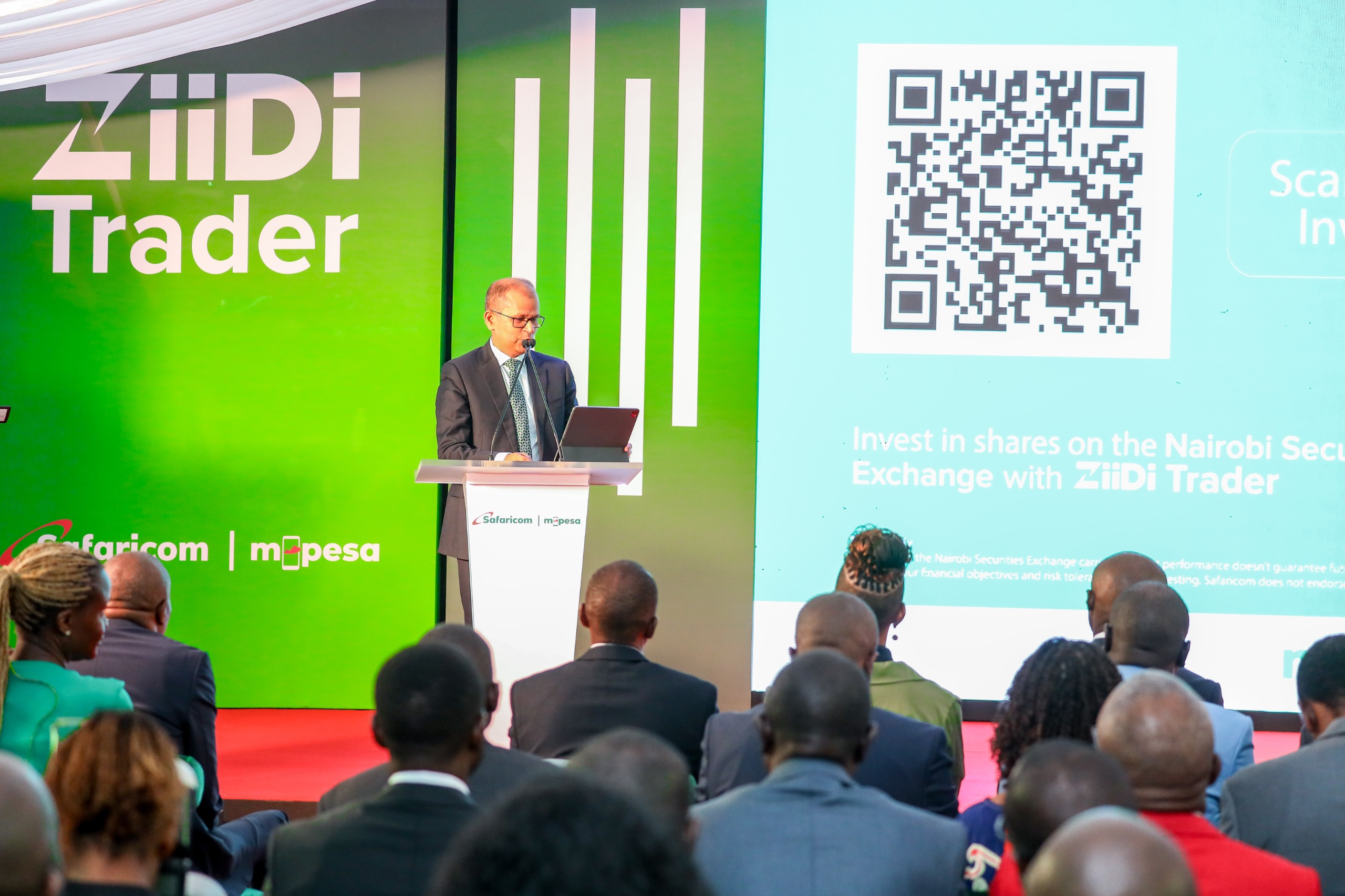
ZiiDi Trader Widens NSE Access via M-PESA by Accepting Foreign Passports
Kenyan investment platform ZiiDi Trader has updated its onboarding to accept foreign passports for M-PESA-linked Nairobi Securities Exchange investment accounts, incrementally widening cross-border participation in Kenya's capital markets. The change edges forward financial inclusion for non-citizen residents and diaspora investors without requiring a Kenyan national identity document.
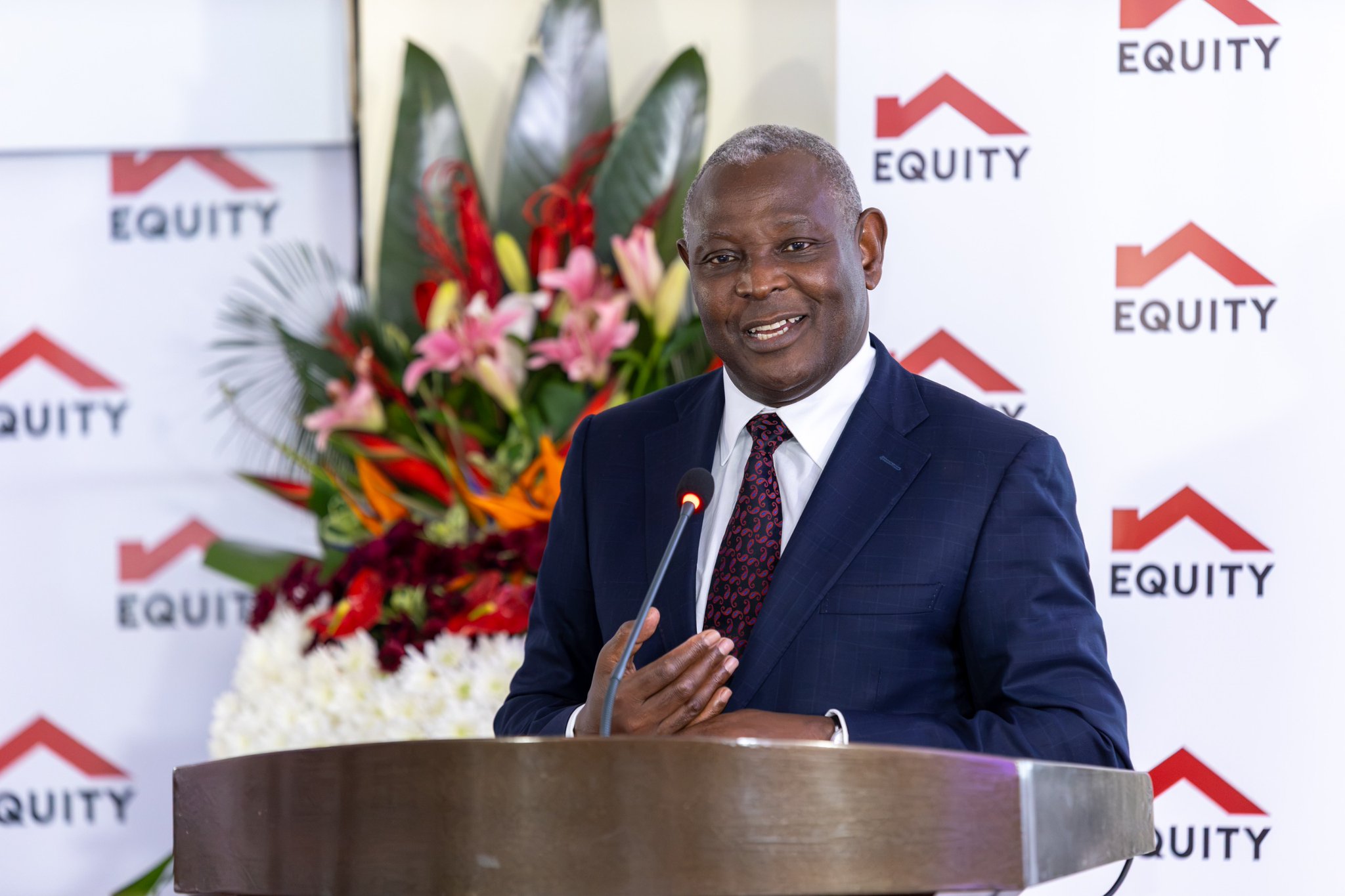
Kenyan Banks Post Profit Rebound on Cheaper Deposits and Fewer Bad Loans
Kenyan commercial banks have reported a sector-wide profit rebound driven by lower deposit costs and an improvement in non-performing loan ratios, according to new earnings data. The macro signal is relevant for fintech credit operators assessing lending conditions in East Africa's largest financial market.

Google Offers Nigerian Students Free 12-Month Gemini AI Plus Access
Google is providing Nigerian students with free access to its Gemini AI Plus subscription for 12 months, in what additional reporting describes as a promotional education initiative. The offer was previously reported on August 21 as the largest single-country AI skills initiative on the continent to date, valued at approximately ₦92,400 per student.

South Africa's My AI Lawyer Launches WhatsApp-Based Legal Advice Service
South African startup My AI Lawyer has launched a WhatsApp-based legal advisory service aimed at providing affordable access to legal guidance for individuals who cannot afford traditional legal fees. The model is being flagged as potentially replicable across other African markets with similar access-to-justice gaps.
South Africa's EC Amendment Bill Public Comment Deadline Extended
South Africa's Electronic Communications Amendment Bill has had its public comment period extended, prolonging regulatory uncertainty for telecoms operators and digital service providers in the country. The delay pushes back the timeline for resolving key policy questions governing the sector.

Ghana Gives Adamus Resources 12-Month Reprieve After Gold Mining Lease Revocation
Ghana's government has granted Adamus Resources a 12-month reprieve after revoking its mining lease, ordering the company to produce a turnaround plan and settle outstanding liabilities to the Ghana Revenue Authority, MIIF, and financial institutions. A six-member government team will be established to supervise the process, setting a precedent for direct state co-management of distressed mining operators.

$286 Million in Annual Music Royalty Revenue Lost in Nigeria and Kenya, Report Finds
A report estimates that Nigeria and Kenya together lose approximately $286 million in music royalty revenue annually, identifying a significant fintech gap in the collection and distribution of creative industry payments. The figure adds quantified context to the broader African content monetisation dispute with global digital platforms reported on August 21.

X Stablecoin Payments Raise Cautious Optimism for African Creator Dollar Access
New analysis argues that X's emerging stablecoin payment functionality could provide African creators with improved access to dollar-denominated earnings, though the feature remains at an early and speculative stage. The creator-economy angle is flagged as particularly relevant for African markets where dollar access through formal banking channels is constrained.
IEBC Freezes Kenya 2027 Election Ballot and Technology Procurement Tenders
Kenya's Independent Electoral and Boundaries Commission has frozen its ballot paper and technology procurement tenders pending an internal review, creating uncertainty for vendors competing for 2027 election contracts. The freeze delays the formal start of Kenya's electoral technology procurement cycle.

Strong Rand Offers Modest Relief for South Africa's Tech Hardware Buyers
A strengthening South African rand is providing some relief on imported technology hardware costs, but analysts note that the underlying affordability crisis for tech buyers in the country persists. The currency improvement is characterised as incremental rather than structural.

Johannesburg Clears Eskom Debt Arrears, Averting Immediate Blackout Risk
The City of Johannesburg has cleared its outstanding arrears to Eskom, averting an immediate threat of electricity supply interruption to South Africa's largest urban economy. The payment provides short-term stability for the city's power supply but does not resolve the underlying fiscal dynamics of municipal-utility debt.

Naspers Reviewed as Africa's Largest Tech Investor Eyes Next Capital Deployment
A strategy review of Naspers examines how Africa's largest technology investor is positioning its next phase of capital deployment following its evolution from South African publisher to global technology investor. The analysis is relevant for founders and investors tracking where Naspers-linked capital will flow across the continent.

US Presses Cameroon on Crypto-Terrorism Financing Risk
US authorities are reportedly intensifying pressure on Cameroon to address the use of cryptocurrency assets for terrorism financing, a development relevant for African crypto operators monitoring cross-border regulatory tightening. The specific mechanisms of US engagement and Cameroon's formal response have not been publicly detailed.

PenCom Attributes 38% Pension Remittance Decline to One-Off Government Payments
Nigeria's National Pension Commission has clarified that a reported 38 percent decline in pension remittances reflects the absence of a one-off government contribution made in a prior period, rather than a structural deterioration in the pension system. The clarification is relevant for operators at the intersection of Nigeria's growing pension and fintech sectors.
Study Warns Nigerian SMEs Risk Falling Behind Without AI Adoption
A new study warns that Nigerian small and medium enterprises risk losing competitive ground to better-resourced peers if they fail to adopt artificial intelligence tools, though the report offers limited new findings beyond the broad productivity gap it identifies. The data point contributes to a growing body of evidence on AI adoption challenges in Nigeria's business community.
Afreximbank Retains AAA Rating From Chinese Credit Agency CCXI
The African Export-Import Bank has maintained its AAA credit rating from Chinese credit rating agency CCXI, sustaining the institution's top-tier standing for African trade finance capacity. The rating retention is a routine maintenance disclosure with limited immediate market-moving significance.

Egypt's Central Bank Holds Benchmark Interest Rates Steady
Egypt's Central Bank has kept its benchmark interest rates unchanged at its latest monetary policy meeting, maintaining the cost of capital for fintech lenders and startups operating in Africa's second-largest startup market. The hold decision reflects the bank's continued assessment of the inflation and growth balance.
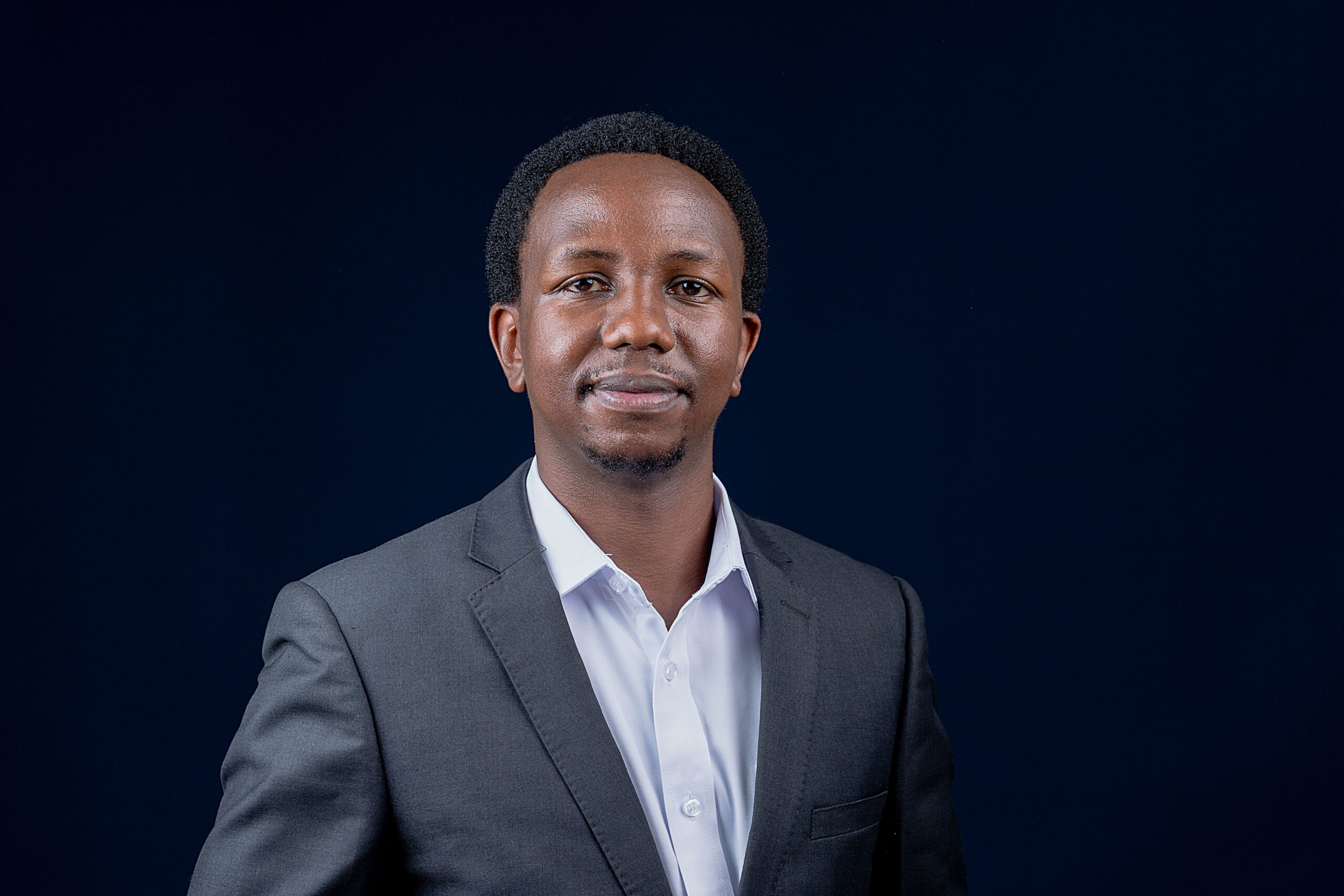
Kenyan Organisations Face Rising Familiar Cyberthreats Aligned With Global Patterns
New analysis of the Kenyan cyberthreat landscape finds that local organisations are facing familiar attack types that now closely mirror global patterns, providing a benchmark for enterprise security practitioners in East Africa. The findings extend the continent-wide cyberthreat picture established by INTERPOL data reported on August 19.
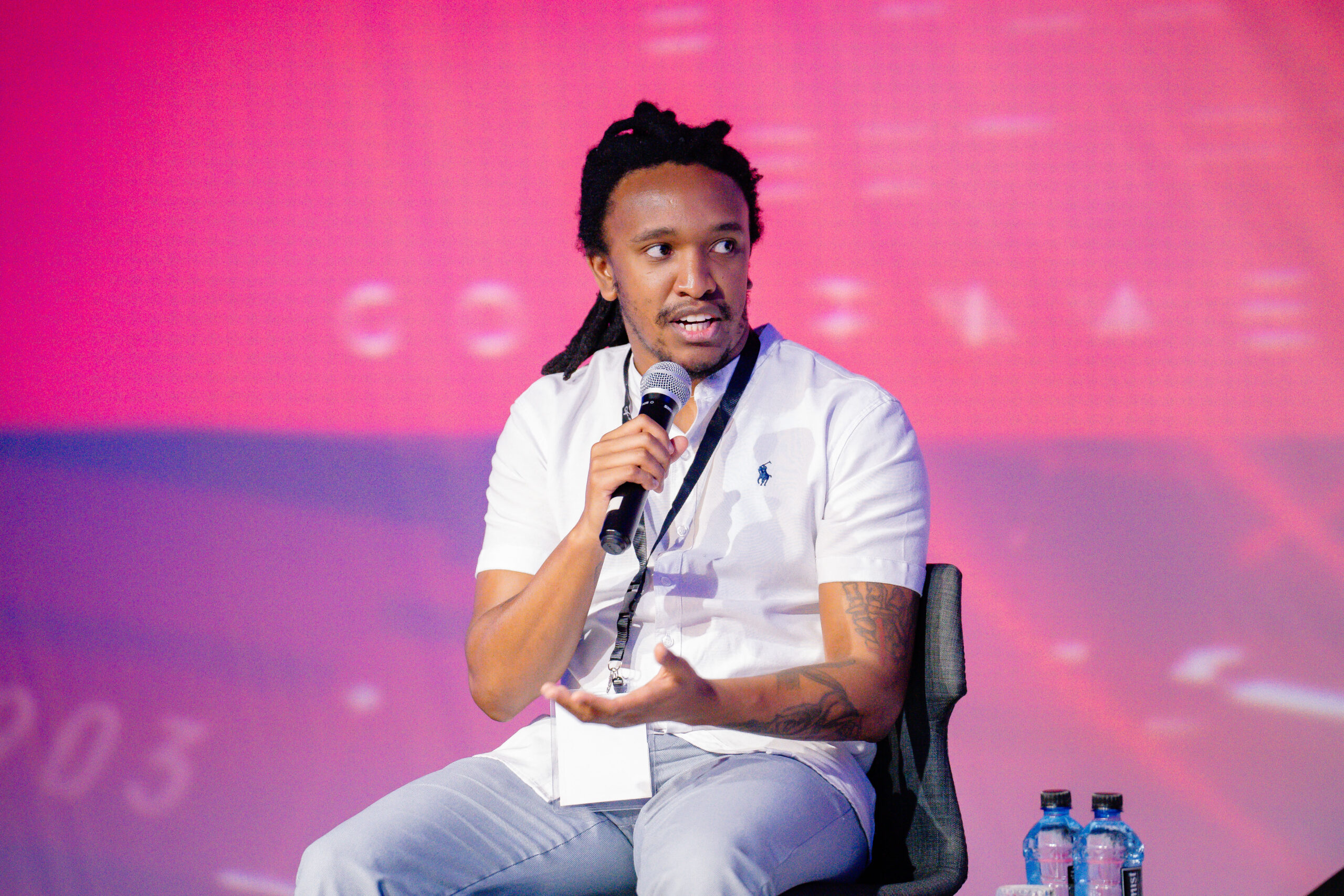
Kenya Appoints First Responsible AI Governor
Kenya has appointed Michael Michie as its first Responsible AI Governor, creating a dedicated state role for AI governance oversight in East Africa's leading technology market. The appointment signals Kenya's early institutional steps toward building formal AI regulation infrastructure.
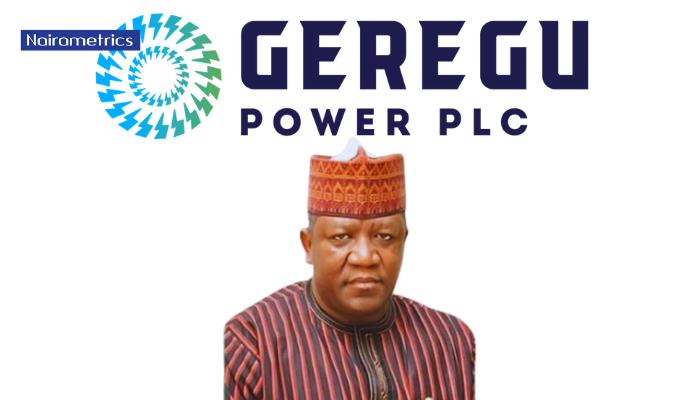
Geregu Power Chairman Personally Covers ₦6 Billion Bond Obligation
The chairman of Nigeria's Geregu Power has reportedly used personal funds to cover a ₦6 billion bond obligation on behalf of the company, signalling financial stress within Nigeria's privatised power generation sector. The disclosure raises questions about the long-term financial sustainability of privately held power assets under Nigeria's current energy market structure.
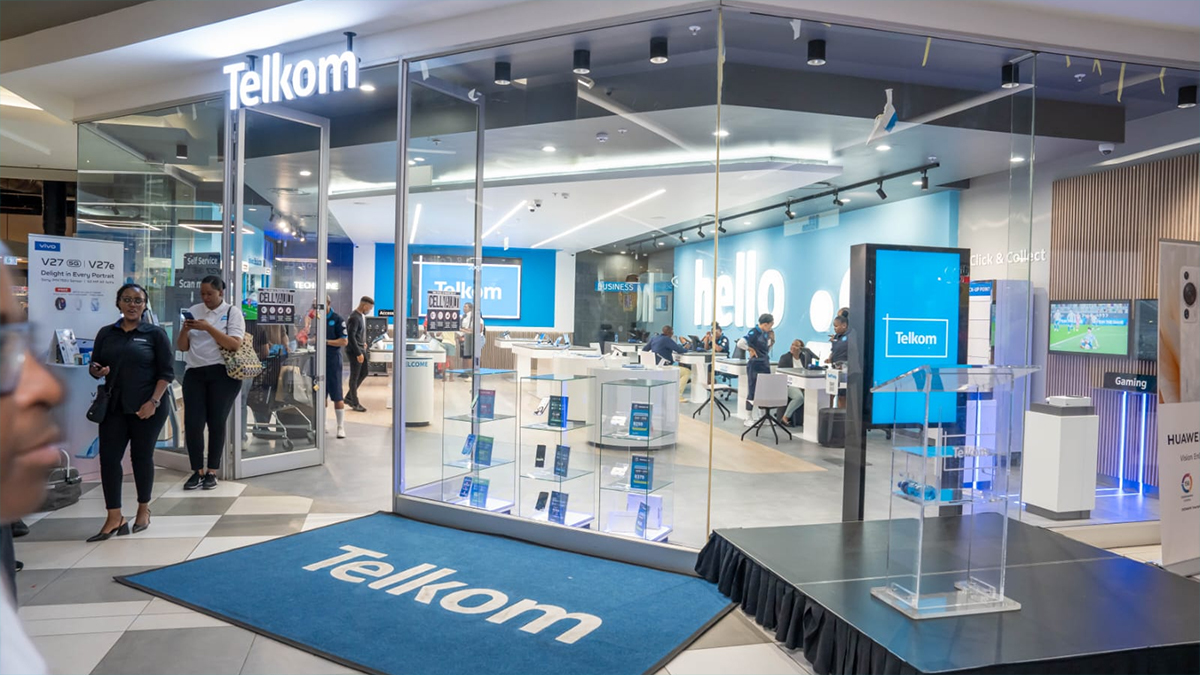
Telkom South Africa Wins AGM Vote Despite Shareholder Dissent Over Share Issuance
Telkom South Africa has passed its annual general meeting resolutions despite notable shareholder dissent over a proposed broad share issuance, pointing to governance tension within the major South African telecoms operator. The level of opposition to the share issuance resolution is being monitored as a signal of institutional investor sentiment toward management.

Nedbank Tests Technology-Enabled Self-Service Branch Format
Nedbank is piloting a next-generation self-service branch format equipped with technology-enabled kiosks as part of a broader shift in its retail banking delivery model in South Africa. The initiative reflects the ongoing reconfiguration of physical banking infrastructure under digital-first pressure across the continent's most developed banking market.
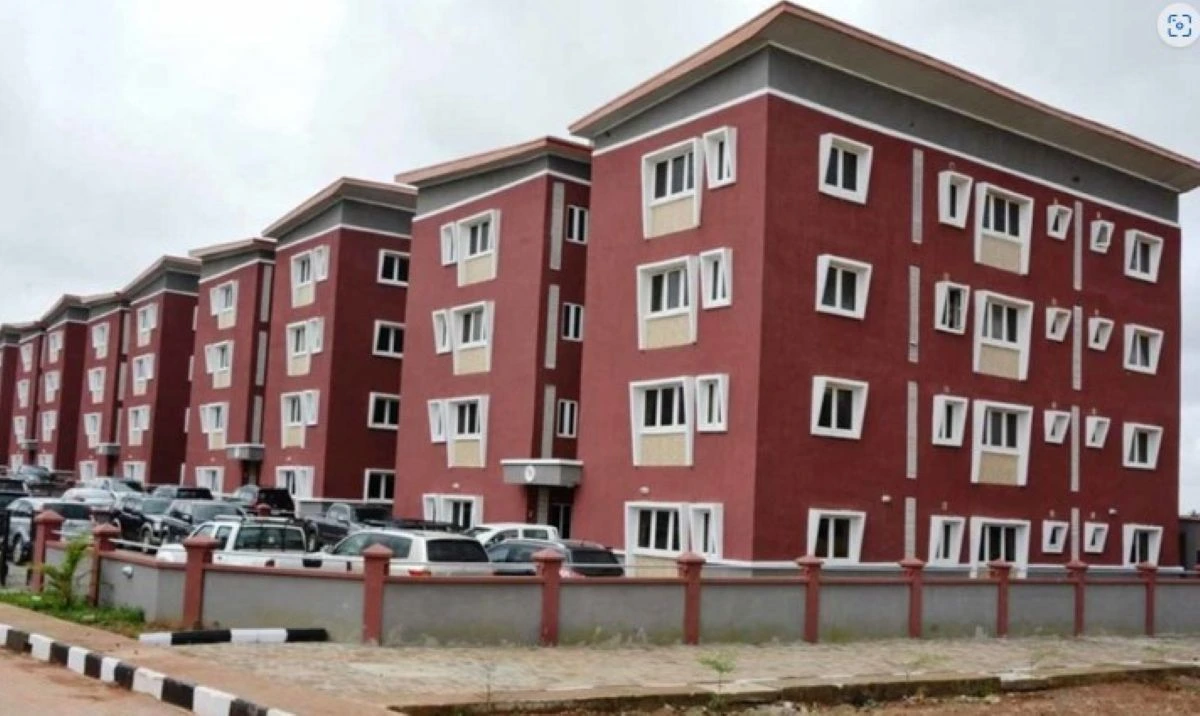
Lagos Housing Crisis Needs ₦6 Trillion Annually to Resolve, GTI Capital Research Shows
GTI Capital Research estimates that Lagos requires approximately ₦6 trillion in annual investment to address its chronic housing deficit, providing a quantified data point for proptech and infrastructure investors assessing the city's housing market. The figure underscores the scale of the financing gap facing Nigeria's most commercially important city.

Ghana Clears Upstream Disputes as $3.5 Billion Investment Pipeline Takes Shape
Ghana has resolved a set of upstream oil and gas disputes, clearing the way for what is described as a $3.5 billion investment pipeline in the country's energy sector. The resolution is presented as a policy signal for investors tracking Ghana's upstream investment climate.