Daily Summary2026-11-01
Stories clustered across sources, with day-to-day continuity and threading.

OPay NYSE IPO Halted and Withdrawn After Foreign Regulatory Inquiry
OPay has suspended trading on the New York Stock Exchange and withdrawn its planned $304 million IPO following an unnamed foreign regulatory inquiry, collapsing what had been Africa's largest fintech public market debut at a roughly $4 billion valuation. The halt follows OPay's listing at $19 per share on 31 October, which had itself come after the company disclosed $113 million in bad-loan write-offs in the six months before the debut.

Binance $6.3 Billion Hack: Chainalysis Also Breached as Exchange Pledges Full Coverage
Blockchain analytics firm Chainalysis has reportedly been hacked alongside the ongoing fallout from Binance's $6.36 billion breach, described as the largest cryptocurrency exchange theft on record and already linked to North Korea. Binance has pledged to cover all user losses while attempting to recover stolen assets, and the dual breach carries direct implications for African crypto market participants who rely on Binance as a primary trading platform.
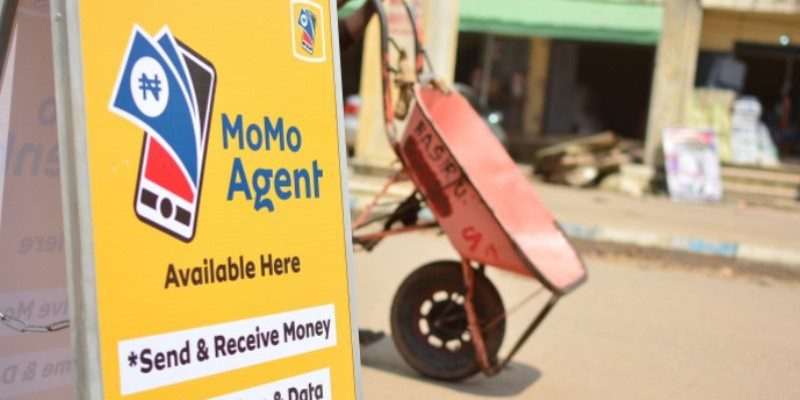
MTN Nigeria Fintech Revenue Falls 25.9% Despite MoMo Doubling in Nine Months
MTN Nigeria's fintech revenue declined 25.9 percent over the first nine months of 2026 even as its MoMo mobile money platform recorded 102 percent transaction growth, pointing to a structural monetisation gap at Africa's largest telco. The company separately reported ₦4.7 trillion in nine-month revenue and a ₦1.80 trillion pre-tax profit, up 59.4 percent, underscoring the scale of its broader telecoms business against which the fintech underperformance stands out.
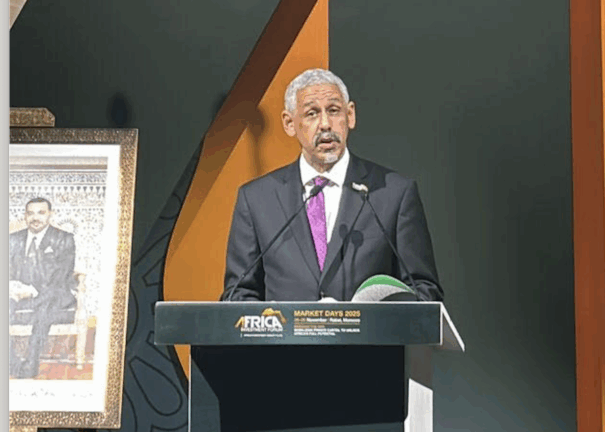
AfDB Issues First Moroccan Dirham Bond, Opening New Local-Currency Development Finance Model
The African Development Bank has raised one billion Moroccan dirhams through its first-ever dirham-denominated bond issuance in Morocco, establishing a new local-currency development financing template for the continent. The transaction is being framed as a potential model for reducing African sovereign and development borrowers' reliance on hard-currency debt.
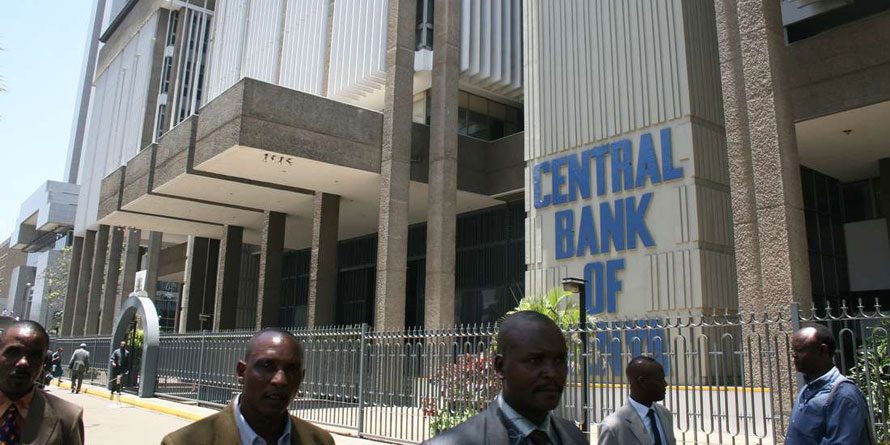
Central Bank of Kenya Deploys AI Across 300 Use Cases Including Mobile Payment Analytics
Kenya's Central Bank is deploying artificial intelligence tools across approximately 300 use cases, including mobile payment analytics and inflation forecasting, setting a notable precedent for AI adoption at an African central bank. The initiative positions the CBK among the more advanced public financial institutions on the continent in applied AI deployment.
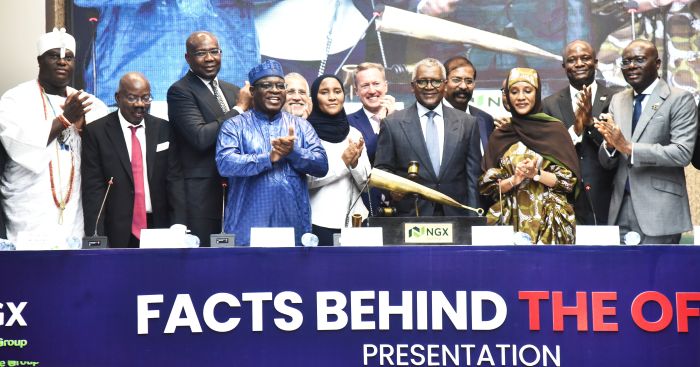
Dangote Refinery IPO Draws 1.55 Million Online Subscribers With Retail Count Potentially Reaching Five Million
The Dangote Refinery IPO has recorded 1.55 million online subscribers, with the total retail count potentially reaching five million according to available reporting, extending the story of what was already described as Africa's largest capital markets raise. The figures signal deepening retail investor participation in Nigeria's equities market following the IPO's three-times oversubscription reported on 30 October.

Airtel Kenya Spends Sh8.4 Billion on 100 MHz of 5G Spectrum for 25 Years
Airtel Kenya has secured 100 MHz of 5G spectrum for a 25-year term at a cost of Sh8.4 billion (approximately $65 million), a commitment that meaningfully reshapes competitive dynamics in Kenya's mobile broadband market. The acquisition positions Airtel as a more credible 5G challenger in a market where Safaricom has historically dominated high-speed data services.
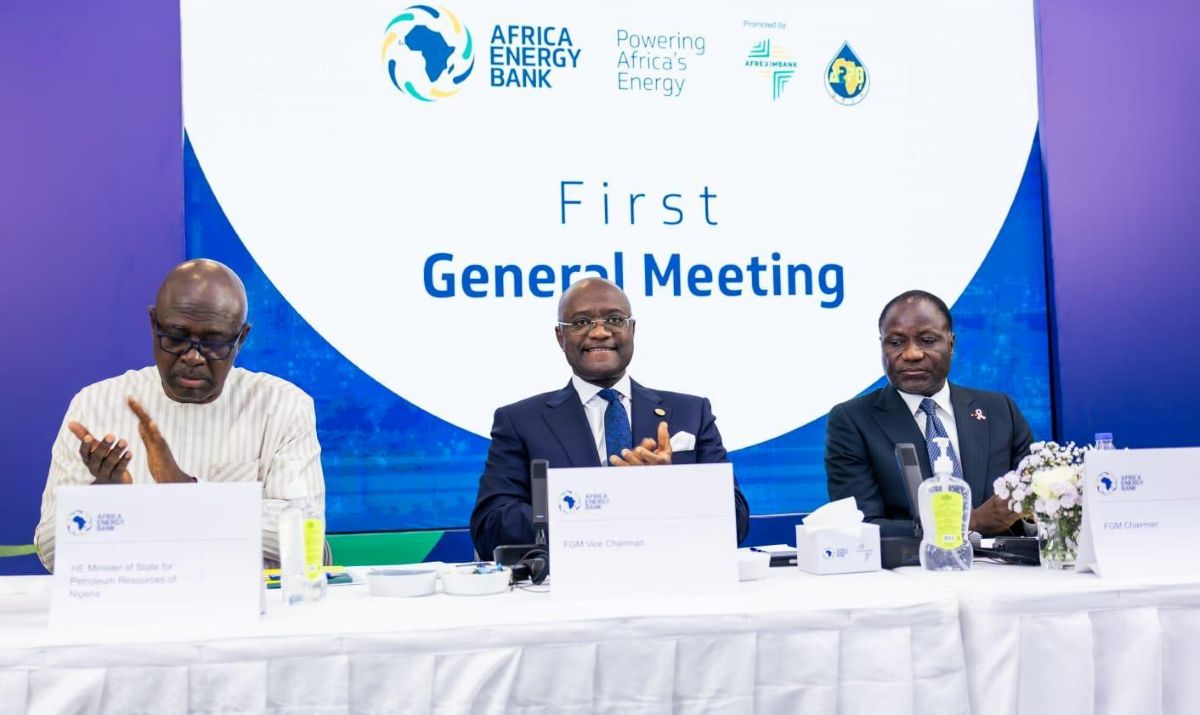
Africa Energy Bank Launches With Egypt's Helmy Ghazi as Pioneer President
The Africa Energy Bank has formally launched with Egypt's Helmy Ghazi named as its pioneer president, creating a dedicated continental financing vehicle for energy projects across African markets. The institution is designed to address the longstanding gap in targeted development capital for African energy infrastructure.

Grey Building Direct Intra-African Payment Rails to Bypass Dollar Corridors
Grey is building direct payment rails between African markets to reduce reliance on US dollar intermediation, addressing what the company describes as a structural cross-border payment bottleneck across the continent. The initiative extends Grey's previously reported Paycheck expansion, positioning the company as an infrastructure player in African currency corridors rather than solely a cross-border payments platform.

Senegal Warns of Treasury Cash Crisis and Potential Systemic Risk Without IMF Deal
Senegal's Ministry of Finance has raised the prospect of a treasury cash crisis, with supplementary budget analysis warning that failure to reach an IMF agreement could trigger systemic fiscal stress and potential regional contagion. The dual warnings signal deteriorating sovereign risk in a West African market that directly affects the investment climate for tech startups and operators in the country.

Verve Launches Mobile Tap-to-Pay and Outlines AI Agent Payment Plans for Nigerian Cardholders
Verve has introduced mobile NFC tap-to-pay for Nigerian cardholders and its CEO has outlined ambitions to extend the offering to AI agent-initiated payments, marking a significant product step for Africa's largest domestic card network. The launch adds competitive pressure on existing contactless payment offerings in a market where Google Pay launched on Mastercard and Interswitch rails just days earlier.

Stablecoins Gaining Ground in African B2B Trade Finance But Face Structural Hurdles
Stablecoins are entering African business-to-business trade finance in a measurable way, but practitioners and analysts have identified specific structural hurdles that limit wider adoption beyond early movers. The assessment extends the picture from previous reporting in which South African processor 80eight reported $18 million in monthly stablecoin volume, adding detail on the conditions required for broader market scale.

Vectar Energy Pivots From Solar Generators to Carbon Market Infrastructure
Vectar Energy has shifted its business model from selling solar generators to aggregating small solar installations and connecting them to carbon markets, creating an infrastructure layer that analysts describe as a replicable model across African clean-energy ecosystems. The pivot positions the company at the intersection of distributed renewable energy and emerging voluntary carbon markets on the continent.
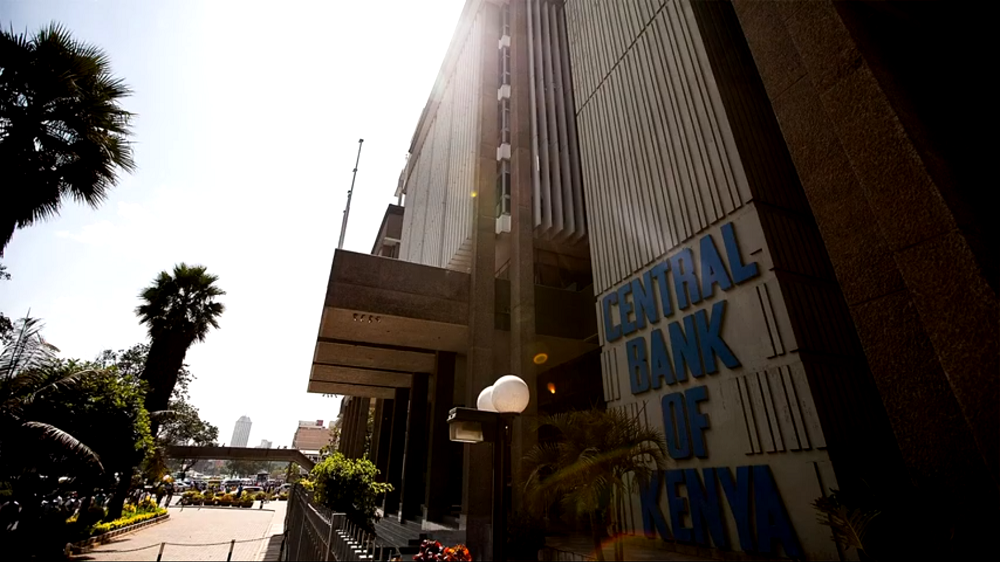
CBK and Kenyan Banks Develop Electronic Collateral Registry to Cut Credit-Switching Costs
Kenya's Central Bank and commercial banks are jointly developing an electronic collateral registry designed to reduce the cost and friction for borrowers seeking to switch lenders. The initiative is expected to increase competition in Kenya's credit market by making it easier for consumers and businesses to move existing collateral between financial institutions.

Naira Reverses Three Months of Gains, Closes October at N1,346 Per Dollar
The Nigerian naira has reversed three months of gains to close October at N1,346 per US dollar, a depreciation that directly raises costs for FX-dependent startups and cross-border payment operators. The reversal introduces renewed currency risk into Nigeria's digital economy at a time when several fintech platforms are scaling dollar-linked products.

Mo Ibrahim 2026 Index: Seychelles Lead, Morocco Enters Top 10, South Africa Falls
The 2026 Mo Ibrahim Index of African Governance shows the Seychelles leading the continent, Morocco entering the top ten for the first time, and South Africa recording a notable decline in its ranking. The shifts signal governance trajectory changes that carry direct relevance for country-level investor risk assessments across the continent.

OpenAI Cuts Fundraising Target From $30 Billion to $20 Billion
OpenAI has reduced its fundraising target by $10 billion to $20 billion, a cut that signals growing investor caution around AI infrastructure costs at the world's most prominent AI company. The development is relevant to African AI builders who track global AI capital dynamics as a leading indicator of computing costs and investment appetite.
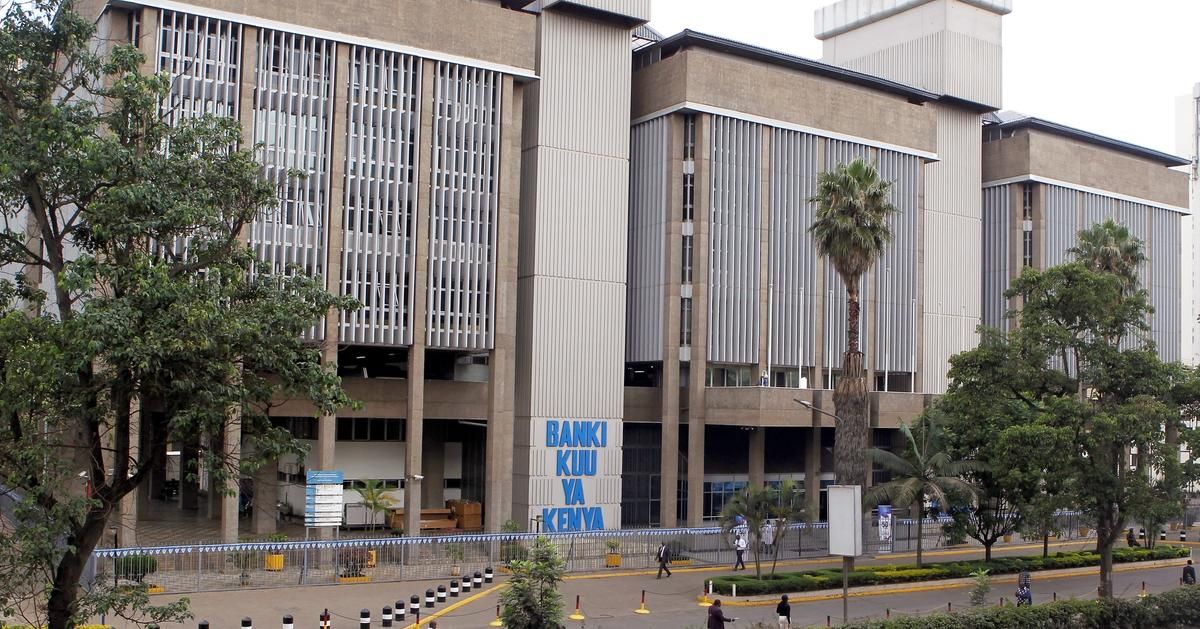
CBK Governor Calls on Treasury to Curb Domestic Borrowing as Bank Capital Deadline Looms
Kenya's Central Bank Governor has urged the Treasury to rein in domestic borrowing to create room for lower lending rates, while separately defending a KSh5 billion minimum bank capital requirement whose implementation timeline is under active negotiation. The two policy pressures combined could trigger banking sector consolidation and reshape credit access conditions for Kenyan fintechs and SMEs.
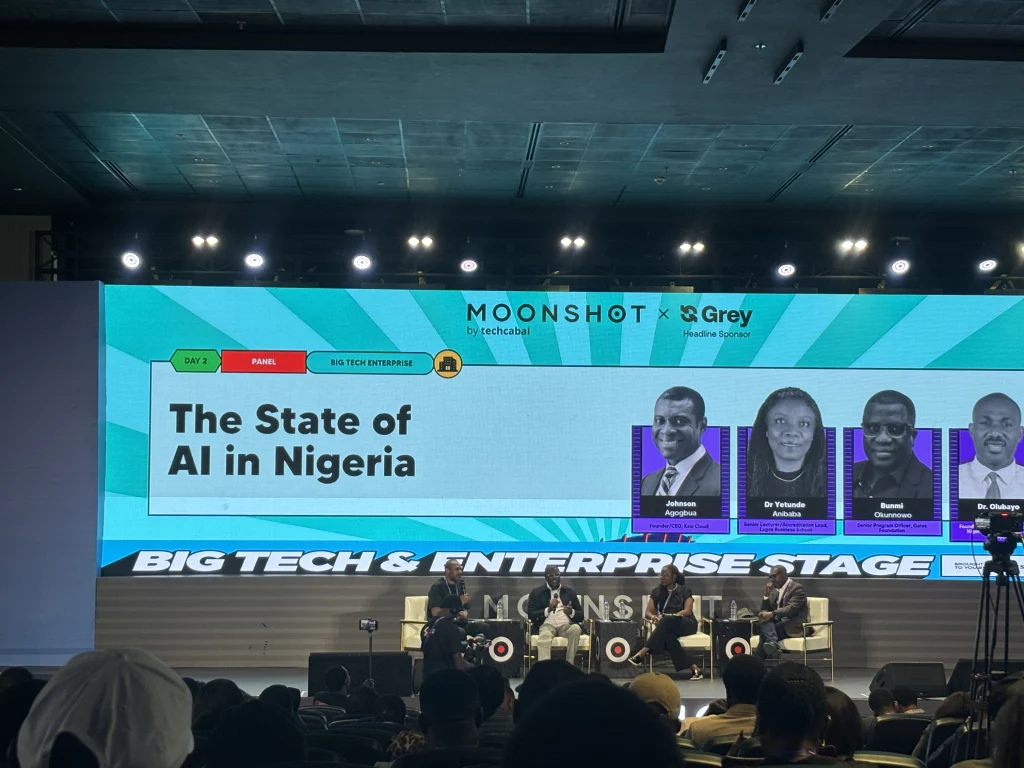
Panel Discussion Frames Nigeria's AI Priorities Around Local Realities
A panel discussion has outlined the case for designing Nigeria's artificial intelligence strategy around local economic and social realities rather than importing global frameworks. No concrete funding commitments or formal policy announcements were attached to the session.
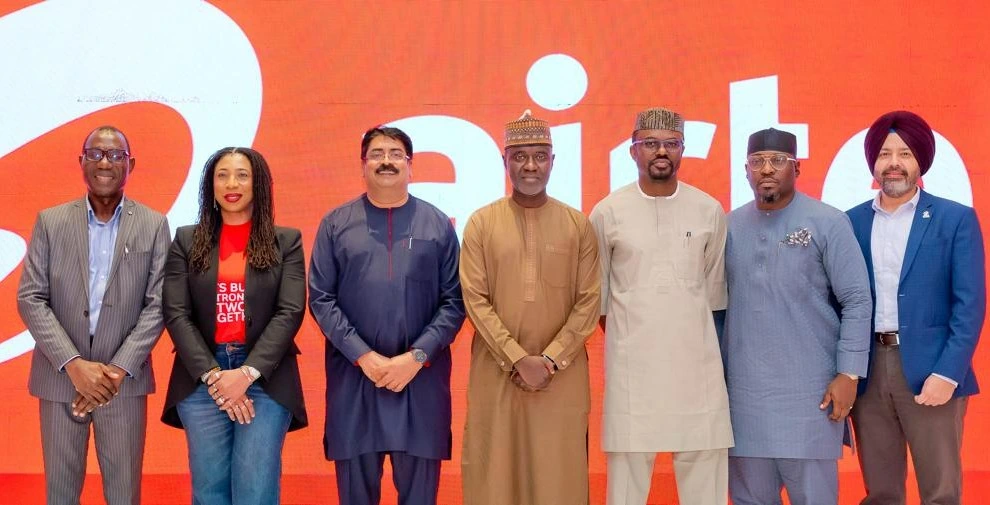
Airtel Nigeria Launches Open Network Initiative to Crowdsource Coverage Data
Airtel Nigeria's Open Network initiative enables subscribers to view nearby network masts and report service quality issues through the company's app, adding a consumer-accountability layer to the operator's transparency push. The tool arrives as Airtel Nigeria faces simultaneous pressure from parliament and the NCC regulator over persistent network quality standards.

Nigeria's Rev360 Digital Tax Platform Targets Compliance Modernisation
Nigeria has introduced the Rev360 digital tax administration platform, a system designed to modernise compliance infrastructure across the country's tax collection apparatus. The platform directly affects compliance costs and workflows for every startup and business operator in Nigeria.

Zenith Bank Ghana Expands Digital Lending and SME Support
Zenith Bank Ghana's managing director has outlined plans to expand the bank's digital lending capabilities and small business support programmes, offering an incremental signal of growth at the intersection of banking and fintech in Ghana's market.

Analysis: Government Debt Is Crowding Out Enterprise Finance Across Africa
New analysis argues that the higher risk-adjusted returns available from financing African governments are systematically diverting bank capital away from enterprise lending, acting as a structural drag on startup and SME funding across the continent. The argument frames sovereign debt appetite as a direct competitor to private sector credit rather than a complementary source of fiscal stability.
World Bank Warns Energy Costs Could Push Global Food Prices 7% Higher in 2027
The World Bank has warned that rising energy costs could drive global food prices approximately 7 percent higher in 2027, a projection with direct relevance for African agritech and food-supply operators building procurement and pricing models for next year.

Cameroon Business Leader Delivers Blunt Critique of Economic Stagnation
Celestin Tawamba, a prominent Cameroonian business leader, has publicly condemned what he describes as entrenched economic immobilism in Cameroon, warning that the country is effectively at a standstill. The critique signals deteriorating private sector confidence that could constrain technology investment and entrepreneurship in the country.

Nigeria's ₦70,000 Worker Allowance Sparks Debate Amid Economic Hardship
A ₦70,000 monthly allowance announced by the Nigerian federal government has split workers over its adequacy as economic hardship deepens in the country. The purchasing-power debate shapes the consumer demand environment for fintech and e-commerce platforms targeting Nigeria's wage-earning population.
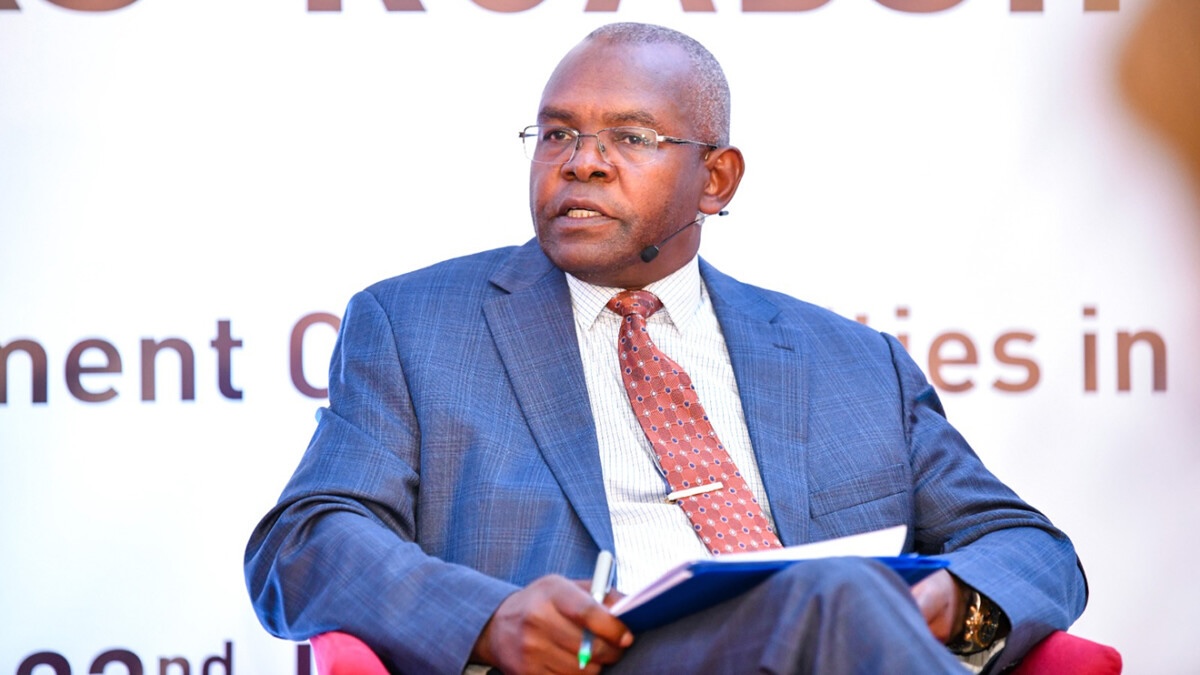
CBK Links Kenyan Shilling Stability to Capital Inflows and Reserve Accumulation
Kenya's Central Bank Governor has attributed recent Kenyan shilling stability to substantial capital inflows and foreign reserve accumulation, providing macro context for investors and operators tracking East African currency dynamics. The update offers a positive near-term FX signal for Kenya-focused digital and fintech businesses.

Ghana's COCOBOD Pitches New Cocoa Financing Model to Global Investors in New York
Ghana's COCOBOD chief executive has presented a restructured cocoa financing model to international investors at a New York forum, seeking foreign capital to underpin the sector's revised funding framework. The pitch signals intent to attract cross-border investment into Ghana's cocoa supply chain, which is the backbone of the country's agricultural economy.