Daily Summary2026-11-09
Stories clustered across sources, with day-to-day continuity and threading.

Africa Exits FATF Grey List, Lowering Compliance Costs for Fintechs Continent-Wide
Africa has exited the FATF grey list, a material regulatory shift that is expected to reduce compliance costs and improve correspondent banking access for fintechs operating across the continent. The development marks a significant change in the continent's standing within the global anti-money laundering framework.

Dangote Refinery IPO Misses Retail Investor Target Despite N6.4 Trillion Demand
The Dangote refinery IPO failed to meet its target of 10 million retail investors despite recording N6.4 trillion in demand, exposing limits in Nigeria's capital market depth. The gap between demand volume and investor count signals structural constraints in retail participation infrastructure.

BII Launches 2026–2031 Kenya Strategy Anchoring $6.7 Billion Pan-African Capital Commitment
British International Investment has launched its 2026–2031 Kenya strategy as the anchor of a broader commitment to deploy $6.7 billion across Africa over five years. The announcement represents a significant development finance institution capital signal for the continent's private sector.

Binance Hit by $6.3 Billion Hack as CFO Exits World's Largest Crypto Exchange
Binance, the world's largest cryptocurrency exchange, has suffered a $6.3 billion hack coinciding with the resignation of its chief financial officer. The dual developments represent a major crypto market shock with potential downstream effects on African crypto platforms and users.
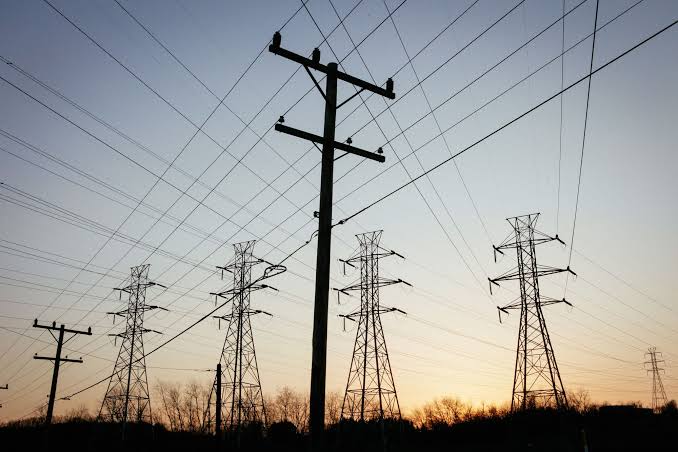
South Africa Proposes Cross-Border Power Trading and Biometric SIM Registration Rules
South Africa has put forward proposals covering both cross-border electricity trading and new biometric SIM card registration requirements, representing dual regulatory shifts with regional energy and telecoms implications. The biometric SIM rules have already drawn industry pushback and privacy concerns since their earlier introduction.

Kenya's Banking Credit Gap Creates Structural Fintech Opportunity, Analysis Finds
Analysis argues that Kenya's established banks have structurally retreated from risk-taking in credit markets, creating a gap that fintechs are positioned to fill. The critique frames the credit access shortfall as a durable opportunity rather than a cyclical condition.

Ghana Nears Completion of External Debt Restructuring
Ghana is reportedly approaching the finish line of its external debt restructuring process, a development that would improve investor confidence and stabilise the operating environment for fintechs in the country. Completion would mark the end of a prolonged sovereign debt workout that has weighed on Ghana's macroeconomic outlook.

EASE Holdings Raises $9.5 Million to Expand Pan-African Healthcare Infrastructure
Pan-African healthcare infrastructure platform EASE Holdings has secured $9.5 million in equity funding to accelerate expansion across the continent. The raise signals growing investor appetite for medtech and healthcare infrastructure financing in African markets.
NGX-Listed Tech Firms Ranked by Revenue Growth, Giving Investors Performance Benchmarks
A ranking of technology companies listed on the Nigerian Exchange has been published, ordering firms by revenue growth in 2026 and providing investors with a concrete performance benchmark for the country's publicly traded tech sector.

Ghana SEC Pushes Micro-Investment and Crowdfunding Products to Deepen Financial Inclusion
Ghana's Securities and Exchange Commission has signalled intent to introduce low-cost micro-investment and crowdfunding schemes as part of a push to deepen financial inclusion in the country. The move indicates a fintech-friendly direction in Ghana's capital markets regulatory posture.

ANC Records Worst-Ever Local Election Results, Reshaping South Africa's Policy Outlook
South Africa's ruling African National Congress has recorded its worst-ever results in local government elections, a political shift with significant implications for the country's economic policy direction and investor outlook. The result reshapes the balance of governing power at the municipal level across Africa's most industrialised economy.

Nvidia Launches Internal Investigation Into CEO's Alleged Links to Chinese Spy
Nvidia has launched an internal investigation into its chief executive following allegations of a relationship with a suspected Chinese intelligence operative, in a geopolitical-tech flashpoint with potential implications for AI chip supply chains globally. The probe adds uncertainty to the AI hardware supply environment relevant to African AI developers dependent on Nvidia infrastructure.
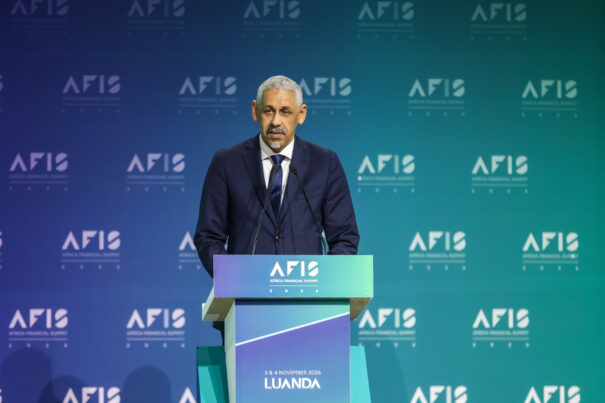
AfDB President Backs NAFAD as New African Development Finance Architecture at AFIS 2026
African Development Bank president Sidi Ould Tah has publicly backed the New African Finance Architecture for Development as a vehicle for transforming how capital flows to the continent, speaking at the Africa Finance and Investment Symposium 2026. The endorsement signals institutional momentum behind a proposed restructuring of African development finance.

Fidelity Bank Ghana Names Atta Yeboah Gyan as MD, Pending Regulatory Approval
Ghana's Fidelity Bank has selected Atta Yeboah Gyan as its new managing director, subject to approval from the Bank of Ghana. The leadership transition is a notable development for watchers of Ghana's financial sector.

Bloomfield Maintains Stable Long and Short-Term Ratings for BOA Niger
Credit rating agency Bloomfield has maintained its long and short-term ratings for Bank of Africa Niger unchanged, offering a rare signal of banking sector resilience in the Sahel amid ongoing regional instability. The stable rating provides a reference point for investors monitoring financial institution risk in the WAEMU zone.

GhISP Launches ESG Toolkit to Help Ghana SMEs Attract Investment
The Ghana Investment and Savings Platform has launched an ESG toolkit designed to help small and medium enterprises improve sustainability practices and strengthen their readiness to attract investment. The toolkit addresses investment-readiness gaps for Ghana's SME sector but is expected to have limited immediate ecosystem impact.
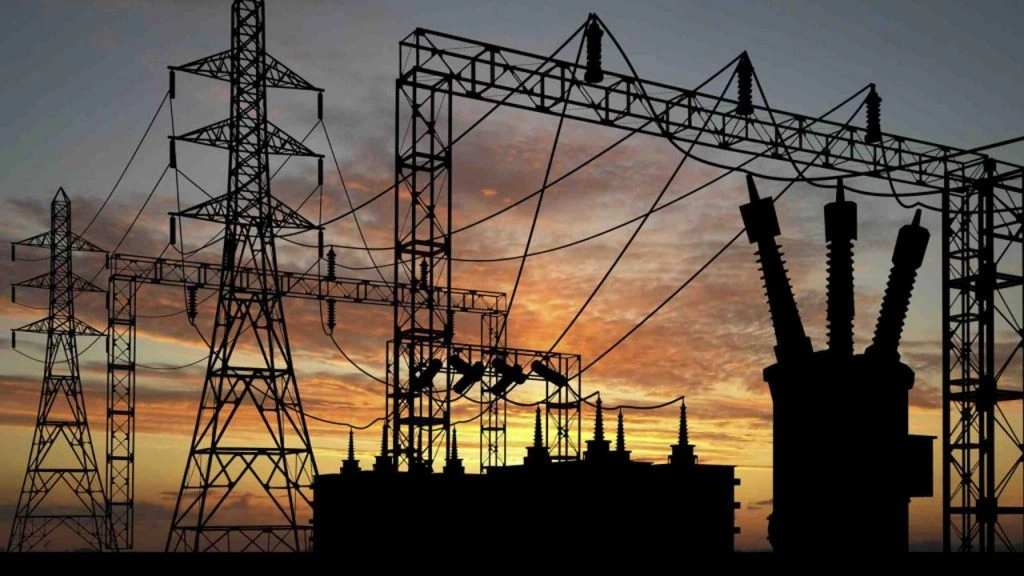
NNPC and NISO Trade Blame Over Nigeria's Gas Supply Shortfalls
The Nigerian National Petroleum Company has disputed claims by the Nigerian Independent System Operator that gas shortages are responsible for the country's power blackouts, reporting 10 percent production growth as a counter. The exchange escalates an ongoing accountability dispute over the causes of Nigeria's persistent electricity supply failures.
World Bank Data Shows 26 Nigerian States Spent Faster Than Revenue Over Two Years
World Bank data indicates that 26 of Nigeria's 36 states increased spending at a faster rate than revenue growth over a two-year period, pointing to fiscal stress at the subnational level. The finding has downstream implications for technology procurement and private sector investment across the country.

Nigeria Loses Maritime Revenue as Shipowners Register Vessels Abroad
Nigeria is losing maritime revenue as domestic shipowners register their vessels in foreign jurisdictions, exposing a structural gap in the country's blue economy governance. The trend is relevant to investors and operators building in Nigeria's trade and maritime infrastructure sectors.