Daily Summary2026-10-18
Stories clustered across sources, with day-to-day continuity and threading.
Foreign investment into Nigerian tech diversifies beyond fintech into defence-tech
Foreign investment into Nigerian technology is diversifying beyond fintech into new sectors including defence-tech, with a $22 million seed extension signalling appetite from international backers for previously overlooked verticals.

Ghana plans to connect 48 government data registries for AI-driven national planning
Ghana's Minister Sam George has unveiled a plan to integrate 48 government data registries into a unified national data exchange hub intended to power AI-driven public planning. The initiative represents a significant GovTech and AI governance infrastructure move for the country.

Hubtel deployed AI with ECG to detect suspected electricity theft in Ghana
Hubtel's CEO has confirmed that the company deployed an AI system in partnership with Ghana's Electricity Company of Ghana to identify suspected electricity theft. The deployment is a concrete example of AI being applied to utility loss-reduction in an African market.
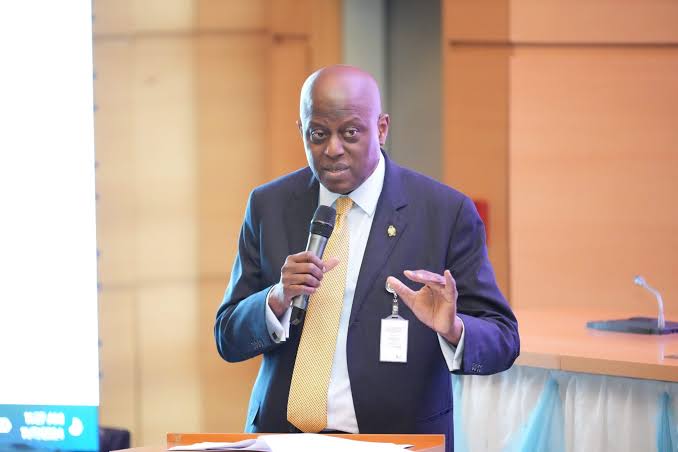
CBN Governor Cardoso takes Nigeria-China payment corridor talks to Beijing
Central Bank of Nigeria Governor Yemi Cardoso has taken talks to Beijing aimed at easing payment flows between Nigeria and China, its largest trading partner. A bilateral payment corridor, if established, could materially reshape trade finance dynamics for the two countries.

Ghana's 20% digital-services tax now being collected at bank and MoMo level
Ghana's 20 percent tax on cross-border digital services is now being enforced directly at the bank and mobile money level, meaning Ghanaian users are charged the levy when paying for platforms such as Netflix or ChatGPT. The development directly contradicts the Ghana Revenue Authority's earlier statement that no additional VAT was being applied, and imposes a meaningful cost on every business or individual using global SaaS tools in the country.

Nigeria begins deploying 3,700 telecom towers to connect 20 million unserved citizens
Nigeria's federal government has begun deploying 3,700 telecom towers across rural areas, with a stated target of bringing connectivity to 20 million previously unserved citizens. The rollout is described as one of the largest single rural connectivity infrastructure pushes on the African continent.

Nigeria's ride-hailing sector faces structural unit-economics squeeze as Bolt commits to driver talks
New analysis identifies a deepening structural unit-economics squeeze across Nigeria's ride-hailing sector, with the exit of Uber and continued pressure on operators including Moove cited as evidence of systemic viability challenges. Bolt has separately committed to working with drivers on fare pricing and introducing vehicle maintenance support, signalling ongoing platform-labour tension following last week's four-day Lagos strike.

Lagos gives telcos 30 days to cut off unlicensed betting services via USSD and SMS
Lagos State has issued a 30-day ultimatum to mobile network operators requiring them to disconnect unlicensed betting services that operate over USSD and SMS channels. The directive sets a precedent for platform liability in Nigeria's telecommunications sector by holding telcos responsible for services carried on their networks.

Social engineering — not hacking — now leads MoMo fraud in Ghana, operator warns
MobileMoney Fintech Ltd has disclosed that social engineering has overtaken technical hacking as the primary driver of mobile money fraud in Ghana. The finding carries direct operational implications for fintech risk and compliance teams managing customer-facing fraud exposure in the market.

Ghana embeds AI focal persons across all ministries to drive national AI strategy
The Ghanaian government has appointed dedicated AI focal persons within each of its ministries as part of a structured national AI governance rollout. The move signals a systematic approach to embedding artificial intelligence capability across the public sector.
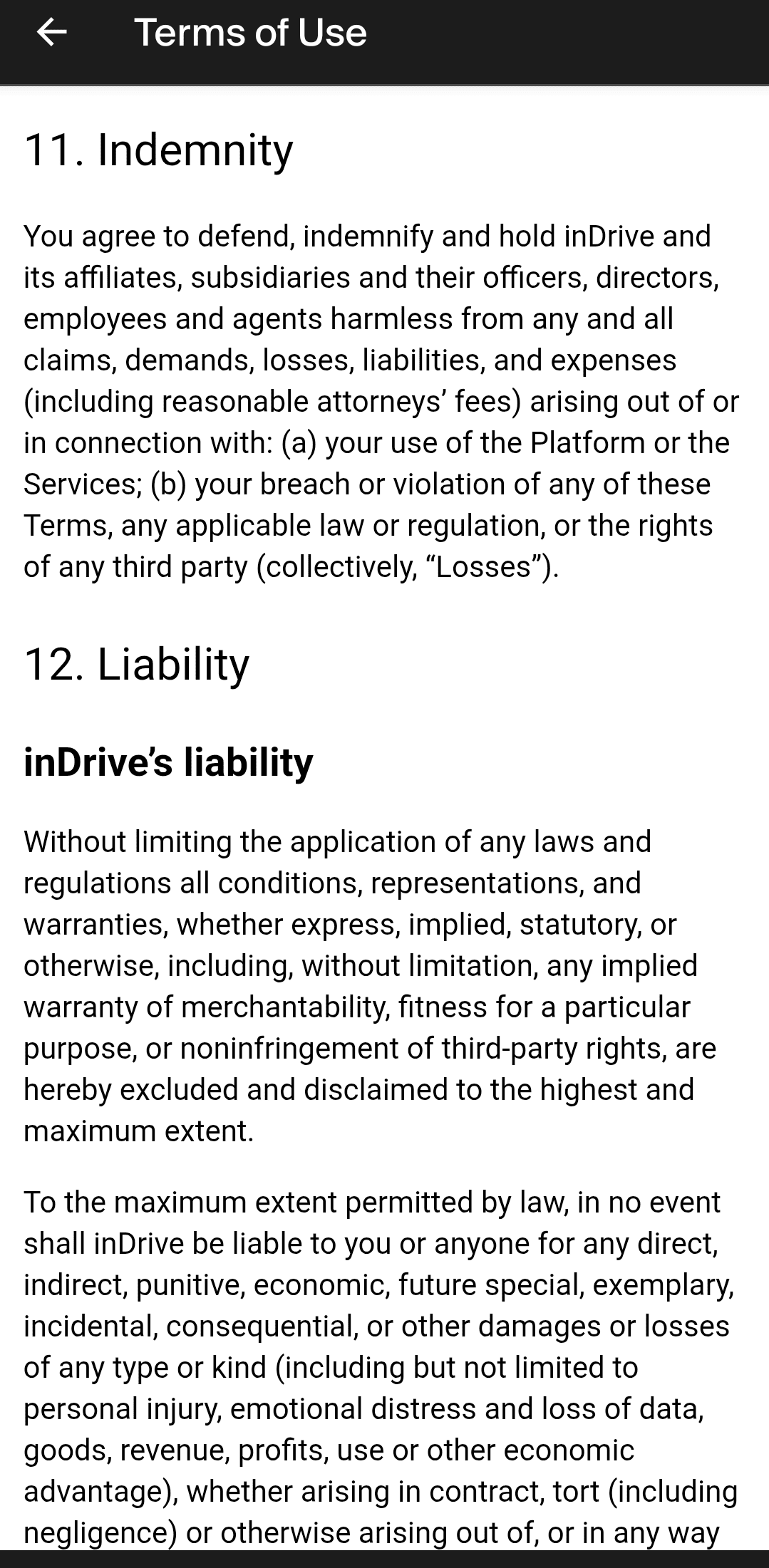
inDrive's terms waive liability for rider, driver and goods safety across African markets
inDrive's terms of service explicitly state that the platform cannot be held liable for the safety of drivers, riders or goods, a clause now under scrutiny following last week's Lagos drivers' strike. The waiver exposes a regulatory gap in passenger and driver protection that analysts say has implications across African markets where inDrive operates.

NCC sets up working group on AI and internet governance oversight in Nigeria
Nigeria's National Communications Commission has established a formal working group to develop its oversight of AI and internet governance. The move signals regulatory intent to formalise Nigeria's approach to digital sector governance.

Lagos Commodities Exchange receives NMDPRA licence targeting transparent petroleum pricing
The Lagos Commodities and Futures Exchange has received an NMDPRA licence with an aim to introduce transparent petroleum pricing through a formal futures market. The licence adds market infrastructure relevant to commodity fintech operators in Nigeria's energy sector.

Analysis: Why African companies still raise capital abroad as local markets lag
A structural analysis finds that African capital markets remain unable to anchor home-grown technology listings at meaningful scale, compelling startups to continue seeking capital from overseas investors and exchanges. The piece identifies depth, liquidity and regulatory constraints as the primary barriers to local capital market participation by tech companies.

Ghana private-sector credit grows 34% to GH¢128.3 billion as of August 2026
The Bank of Ghana has reported that private-sector credit grew 34 percent to GH¢128.3 billion as of August 2026, signalling improving lending conditions across the country's economy. The figure provides a positive backdrop for startups and businesses seeking bank financing in Ghana.

Hubtel CEO flags AI talent gap over infrastructure as Ghana's core AI challenge
Hubtel's CEO has argued that Ghana's primary constraint on AI development is a shortage of engineers and data scientists rather than a lack of computing infrastructure. The assertion frames the AI talent pipeline as a more urgent policy priority than hardware investment for Ghana's technology ecosystem.

Renaissance Capital raises Dangote Refinery valuation to N700.41 per share
Renaissance Capital has raised its valuation of the Dangote Refinery to N700.41 per share, signalling analyst confidence in Nigeria's energy equity market ahead of the ongoing IPO process. The upgrade comes as the refinery's $1.6 billion offering continues its expanded pan-African investor outreach.

Ethiopian nurse-turned-entrepreneur builds digital health platform
An Ethiopian nurse has transitioned into founding a digital health platform targeting gaps in the country's healthcare system. No funding or user traction data has been disclosed alongside the profile.
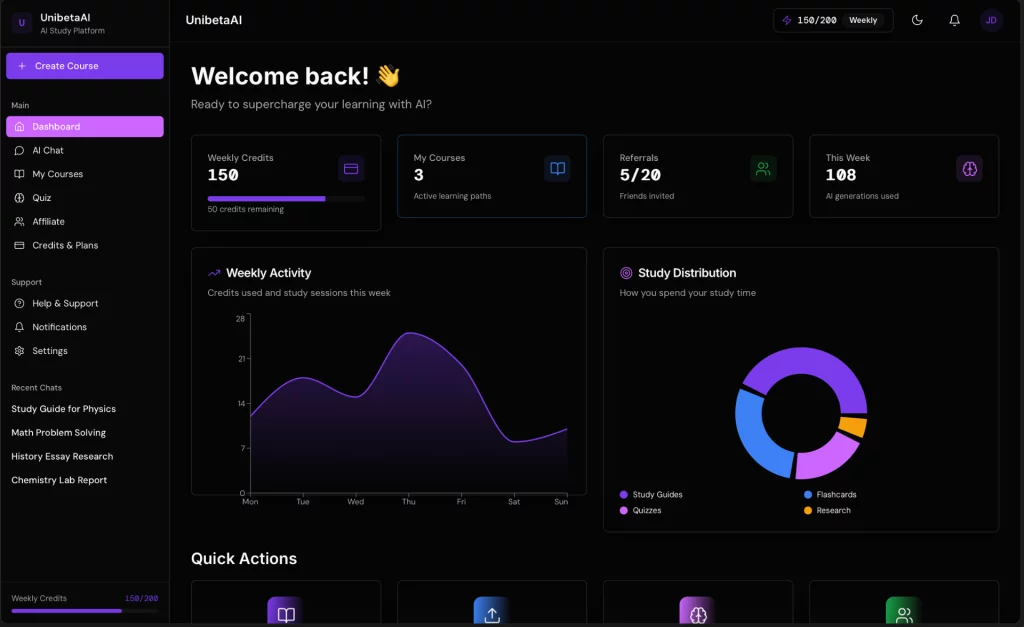
Ex-UNILAG students build AI exam-prep tool for Nigerian students
A group of former University of Lagos students has developed an AI-powered examination preparation tool targeting Nigerian students navigating the local syllabus. The product is at an early stage with limited disclosed traction.
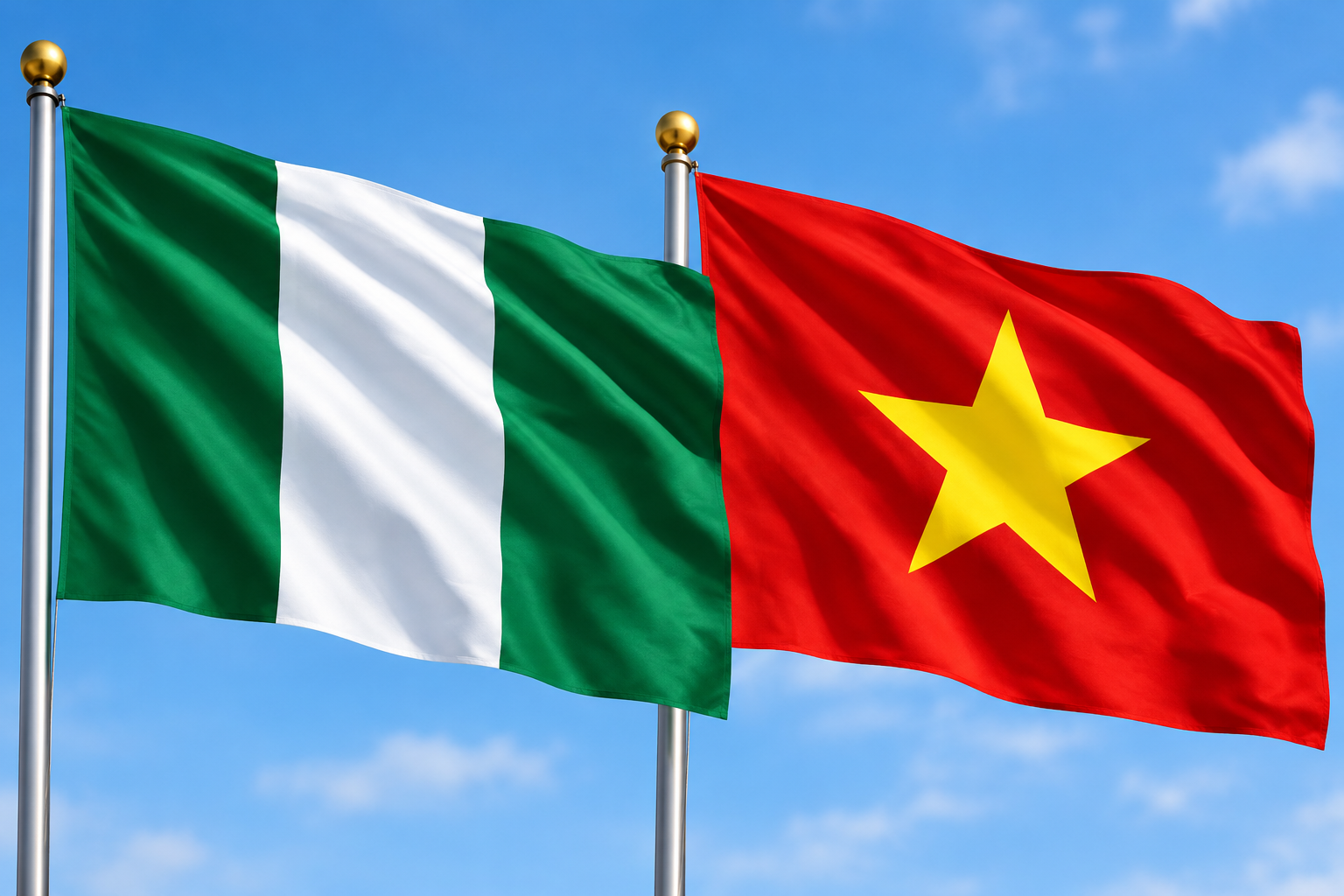
Nigeria and Vietnam jointly push to limit foreign investors' compensation in trade disputes
Nigeria and Vietnam are jointly advocating for tighter limits on the compensation foreign investors can claim in international trade dispute mechanisms. The move could signal a tightening of foreign direct investment terms in Nigeria, with potential implications for startup investors operating under bilateral investment treaty protections.