
DStv: foreign ownership with a local fig leaf
The creation of LicenceCo — a separate South African entity set up purely to hold the broadcasting licences — is the detail that tells the real story here.
Read more →The tech-investment stories moving Africa's markets — what moved, and why it matters.
Sun, Jul 12
The creation of LicenceCo — a separate South African entity set up purely to hold the broadcasting licences — is the detail that tells the real story here.
Read more →
The most important line in this story is buried in the technical detail: M-Pesa wallet top-ups in the DRC are now being settled in stablecoins behind the scenes, while the customer sees nothing different at all.
Read more →
June's $515 million looks like a comeback. But 91 per cent of it was equity — more equity than the previous five months combined — and a single company, Spiro, the Beninoise electric-motorbike firm, contributed $270 million of that alone.
Read more →
A business owner in Douala paying a supplier in Lagos currently has no direct route. The CFA franc and the naira don't talk to each other cheaply, so the money flies to a European or American correspondent bank and back — burning 5–8% in…
Read more →
Nigeria's financial system processed over ₦1 quadrillion in electronic transactions last year. Almost all of it ran through Amazon, Microsoft, and Google's servers — sitting outside Nigeria's borders.
Read more →
PayPal pulled out of Nigeria in 2004 over fraud concerns and never truly came back. Two decades later, it's returned — twice in one year — and both times through a local partner handling the part PayPal won't touch: converting dollars into…
Read more →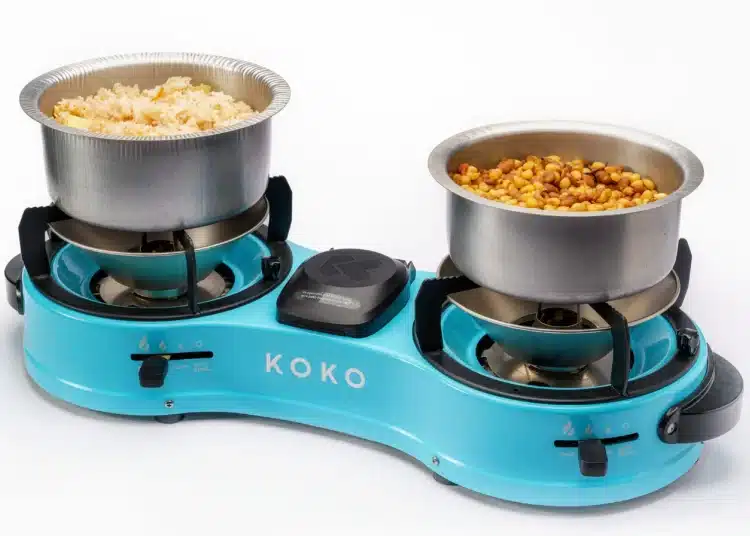
KOKO built something real: smart fuel dispensers in over a million Kenyan homes, a cleaner alternative to charcoal, twelve years of technology development.
Read more →
Bereket Engida built Better Auth alone, in Ethiopia, before anyone gave him a cheque. By the time Vercel — one of the most influential developer platforms in the world — came calling, the library had 4.7 million weekly downloads and 850…
Read more →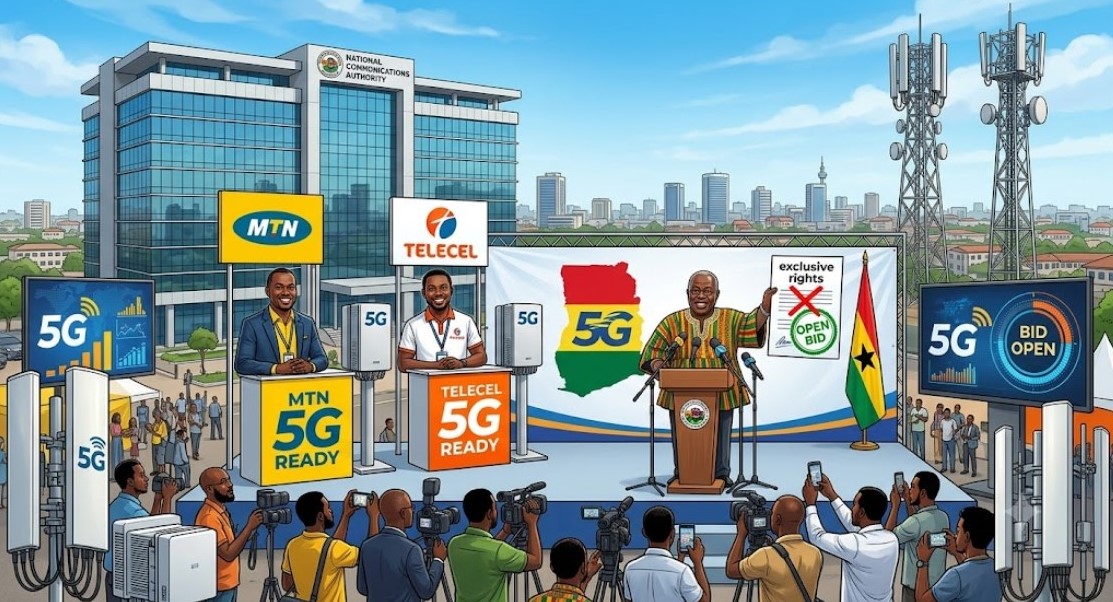
NGIC's exclusive 5G deal wasn't revoked on principle — it was revoked on performance. By the government's own deadline, the company had completed just 16 of 50 required sites in Accra and Kumasi, with a 70% national coverage target looming…
Read more →
The striking thing about this deal isn't the size — it's who wrote the cheques.
Read more →OPay's impending IPO is the moment thousands of African startup employees dream about — the point where years of equity awards finally become real money.
Read more →
Kenya's 30% local ownership rule is the detail that actually decides this race.
Read more →
The Kenya Copyright Tribunal's answer on AI authorship is clear enough: a machine can't own a copyright, and neither can someone who simply prompted one.
Read more →
The number that jumps out isn't the $8 billion total — it's the split inside it.
Read more →
The South African Competition Commission investigated Google, pushed hard, and walked away with R688 million committed to local news publishers. Nigeria's media industry has read that outcome and wants the same deal.
Read more →
Powertel and Paratus activated a new fibre route into Zimbabwe on Sunday. By Monday evening, a fault on a single 330kV transmission line had collapsed the entire national grid — and with it, every digital service that fibre was meant to…
Read more →
Moniepoint and OPay spent years building what Nigerian banks ignored — a payments network woven into small businesses, earning fees on every transaction while quietly becoming the most trusted financial relationship millions of merchants…
Read more →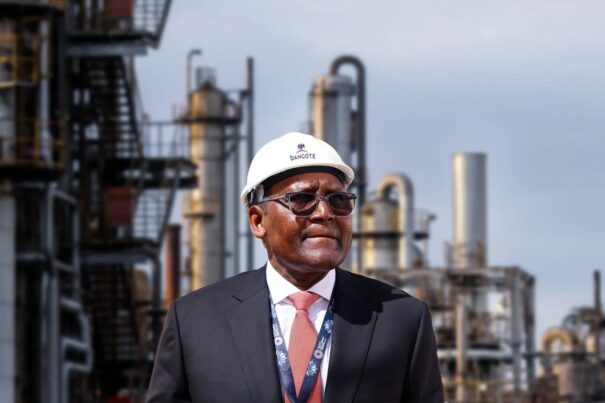
700,000 barrels a day processed locally — at a site chosen partly because Lamu's deep-water port, opened only in 2021, can actually handle the logistics.
Read more →The headline power here isn't the CEO nomination right — it's the provision removing the requirement that Safaricom seek government approval before expanding into new markets.
Read more →
Nigeria didn't ban crypto. It banned peer-to-peer naira trading — specifically because P2P platforms were setting dollar-naira rates the government couldn't control during the naira's 2024 freefall.
Read more →
Nigeria's electricity regulator has done something genuinely useful: if your solar setup is under 100 kilowatts, you no longer need a formal licence to generate and sell power — just register.
Read more →The moment a connectivity dispute becomes a State Capture allegation, the actual question — whether South Africa's spectrum rules are fit for purpose — stops being debatable in public.
Read more →NITDA's 2022 platform code, the NCC's December 2025 draft internet rules, and the NDPC's data law all land on the same desk at the same platform — with no single answer on who's actually in charge.
Read more →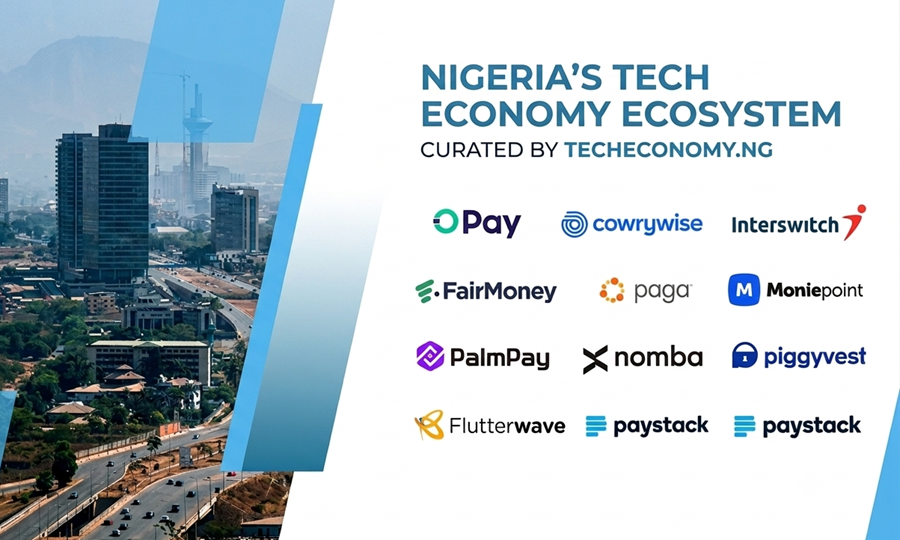
$10.6 billion across 500-plus firms sounds authoritative. But divide it out and the average Nigerian fintech is worth around $20 million — which tells you the headline number is being carried by a handful of large players, not a broad…
Read more →
₦3 trillion paid out to ordinary savers is not just a number — it's a decade of Nigerians learning to trust a product that the formal banking system never bothered to build for them.
Read more →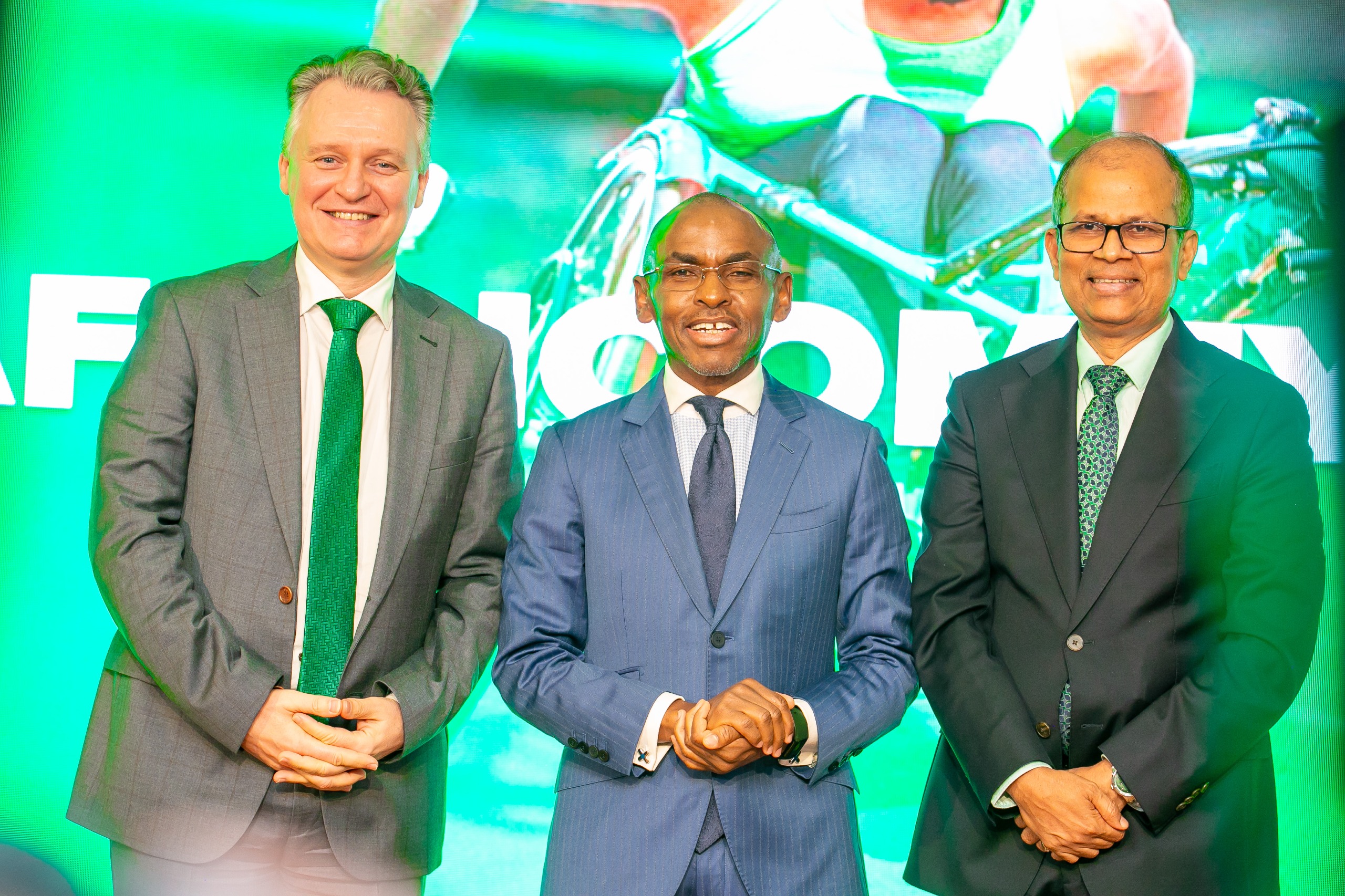
The specific clause is what matters here: not a vague 'national interest' principle, but a hard requirement that the Kenyan government must approve any Safaricom expansion beyond Ethiopia before management can act on it.
Read more →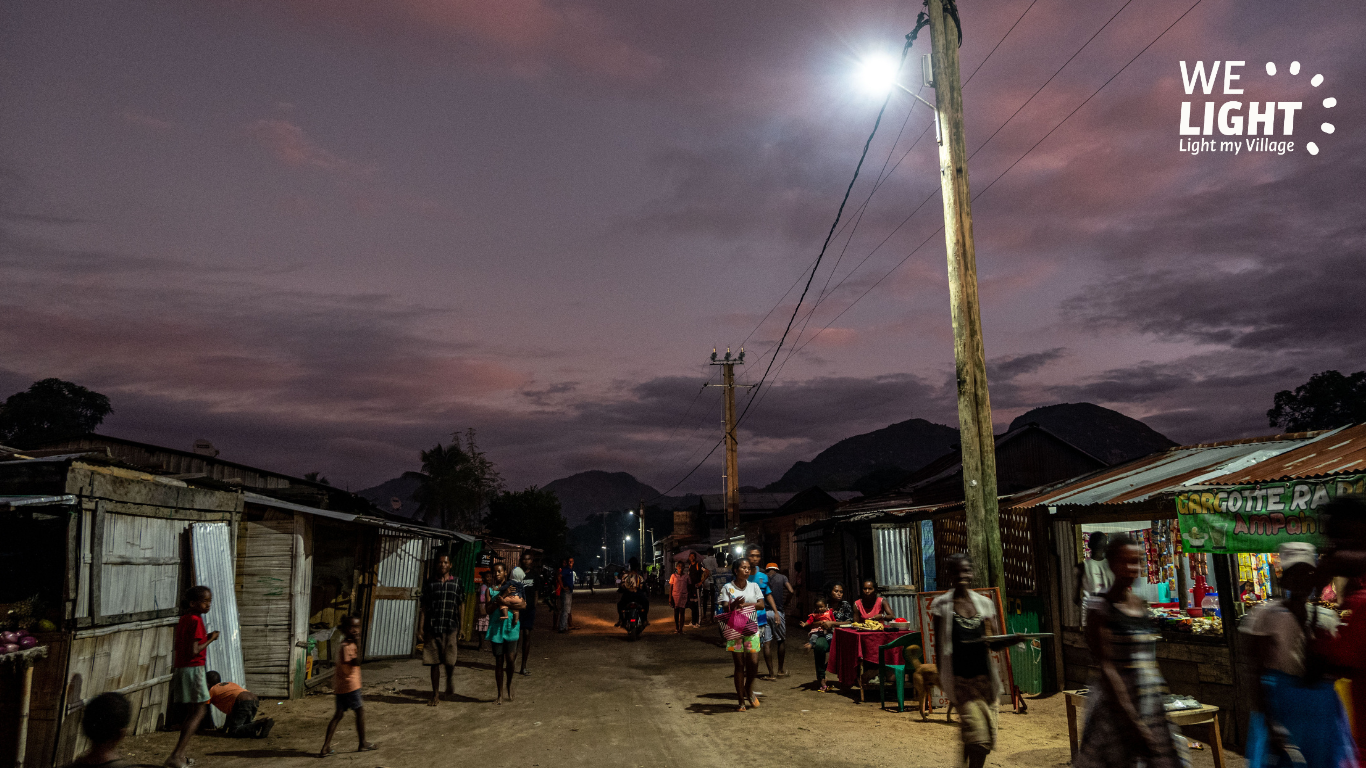
Going from 190 mini-grids serving 800,000 people to enough sites serving eight million isn't a funding problem — it's a logistics problem.
Read more →Multiple operators going down at the same time isn't just bad luck — it usually means they share more infrastructure than the word 'multiple' implies.
Read more →
Data sovereignty is a legitimate concern — storing government records on servers you don't control, in jurisdictions whose laws you can't override, is a real vulnerability.
Read more →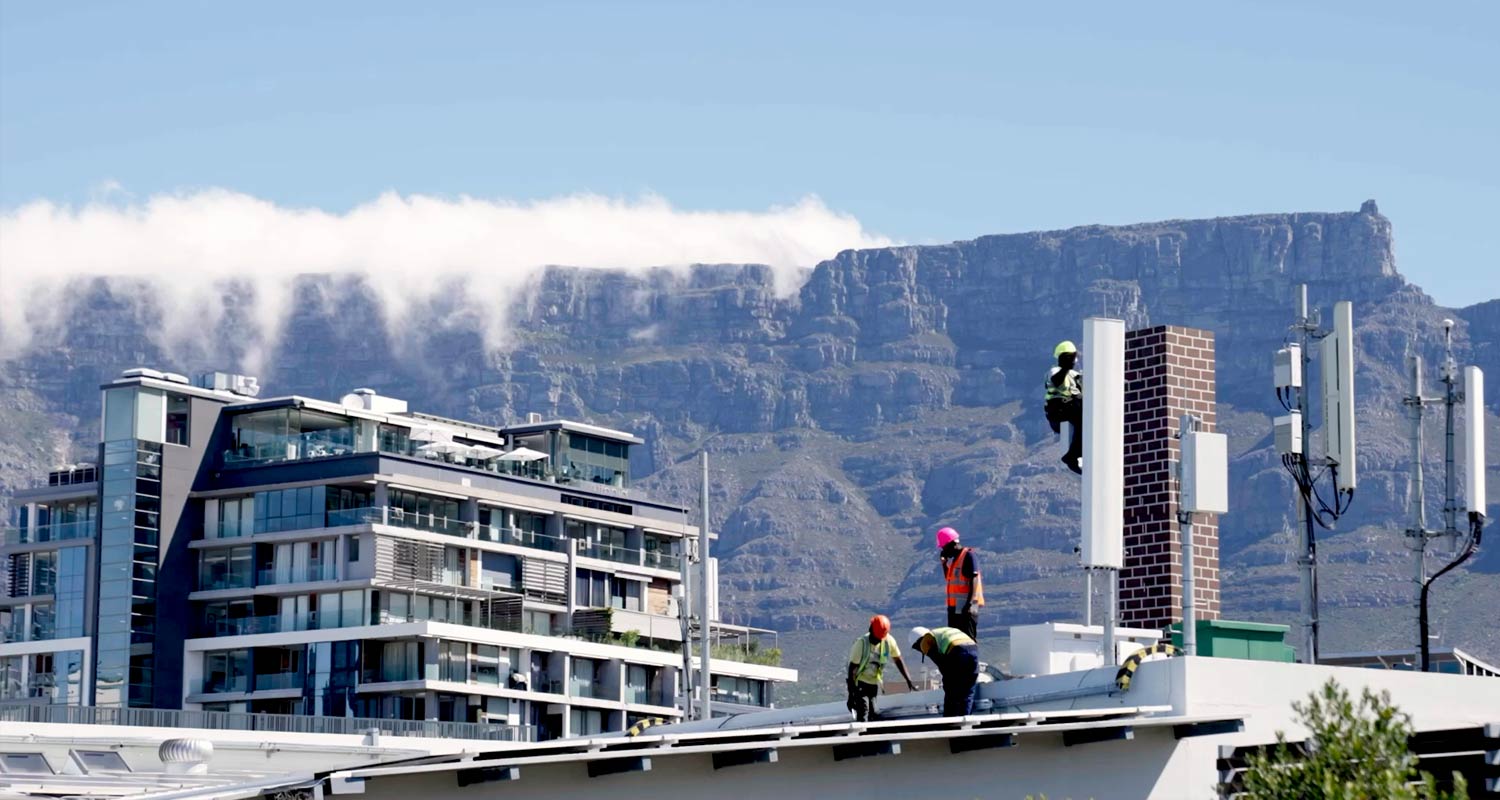
Low-band spectrum travels far and punches through walls — that's why every operator wants it. The problem has always been that it carries far less data than the high-band frequencies powering dense urban 5G. Rain and Huawei just cracked…
Read more →The daily newsletter, free — no account needed. Unsubscribe any time.